Choosing the right trash pump for septic tanks, basements, or sewage systems reduces risk of backups and keeps drainage flowing smoothly. The following selections are high-capacity, automatic or manual pumps designed to handle solids and tough clogs. Each option emphasizes reliability, durability, and ease of use, helping homeowners and professionals select a pump that fits their septic environment and maintenance preferences.
Summary of selected products:
| Product | Brand | Key Strengths |
|---|---|---|
| 1HP Submersible Sump Pump | FOTING | 6000 GPH, cast iron & stainless steel, auto float switch, deep-basin suitability |
| 1 HP Submersible Sewage Pump | VIVOHOME | 5220 GPH, auto/manual, thermal protection, suitable for septic tanks |
| LE51A Submersible Sewage Pump | Liberty Pumps | 160 GPM, 25-foot head, oil-filled motor |
| 4″ Effluent/Cistern Bottom Pump | Wassermann | 32 GPM, 207 ft head, stainless steel, breeze of reliability |
| 1HP Submersible Sewage Pump (5600 GPH) | FOTING | 5600 GPH, auto/manual, 2″ discharge, heavy-duty construction |
These options span a range of flow rates, heads, and control styles. When evaluating a septic pump, consider flow needs, the depth of installation, the presence of solids, and how you prefer to control operation (automatic float switch vs. manual). The following sections detail each product’s capabilities and how they fit typical septic setups.
FOTING 1HP Submersible Sump Pump: 6000 GPH

The FOTING model provides a robust 1HP PSC motor capable of moving up to 6000 gallons per hour with a vertical lift up to 32 feet. The cast iron and stainless steel exterior resists corrosion and clogging, making it a solid choice for basements, septic tanks, and below-grade installations. An automatic tethered float switch enables hands-off operation, and a 10-foot power cord simplifies setup. The design prioritizes energy efficiency and quiet operation, aligning with long-term maintenance goals for septic systems.
Key features include a heavy-duty, clog-resistant construction and a 1-1/2 inch discharge, which balances strong flow with compatibility with common piping. This pump is suitable where solids management is a concern, and its automatic operation reduces the need for constant monitoring during heavy rain events or high water scenarios. Note: Avoid lifting the pump by the power cord to prevent damage.
VIVOHOME 1 HP Submersible Sewage Pump, 5220 GPH

This VIVOHOME unit delivers 5220 GPH with a maximum head around 24 feet. Its oil-filled split capacitor motor supports reliable performance and reduced heat buildup. The pump includes a 14.4-foot power cord and a piggyback plug for both automatic and manual operation, with an adjustable float switch that starts around 18.5 inches and stops around 4.1 inches to minimize dry-running. A thermal overload protection system guards the motor, helping extend service life in septic and basement environments. The design supports solid handling typical of effluent applications; never run the pump with unsuitable liquids above recommended temperatures.
Operational versatility is a key advantage, though users should ensure proper immersion and avoid running the pump in freezing conditions without water. The 2-inch discharge is compatible with many home wastewater layouts, and the unit’s metal top ring aids retrieval or tethering for submersion tasks.
Liberty Pumps LE51A Submersible Sewage Pump
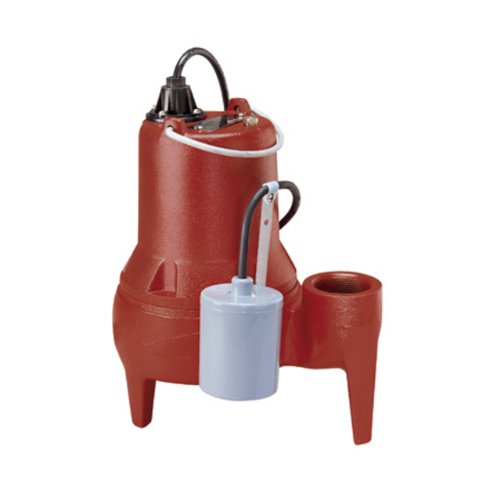
Liberty Pumps’ LE51A is a compact yet capable option, delivering up to 160 GPM with a shut-off head of 25 feet. Its oil-filled, thermally protected motor is designed to handle intermittent surges and tough wastewater scenarios common in residential septic basins. The streamlined design prioritizes reliability and straightforward maintenance, making it a suitable choice where space is limited but consistent performance is required. The pump’s sealed components help resist corrosion and wear in challenging wastewater conditions.
Operational considerations include ensuring correct electrical grounding and adherence to recommended discharge sizing. The LE51A is ideal for smaller basements or tight installations where a higher flow rate is not essential but consistent, dependable pumping is needed.
WASSERMANN 4″ Effluent Pump: 33 ft Cable, 32 GPM

The Wassermann unit is designed for deeper wells and larger septic configurations, featuring a 1HP rating and stainless steel construction. It delivers up to 32 GPM with a head capability up to 207 feet, making it suitable for deep well applications and extended lift requirements. The stainless steel body, built-in capacitor start, and hermetically sealed motor help ensure long life even in demanding environments. The 1-1/4 inch FNPT outlet supports robust discharge lines, and the 115V/60Hz electrical setup is standard for many American installations.
Because of its bottom suction design and strong head, this pump is well-suited to cisterns or deep tanks associated with septic systems. Always verify well casing compatibility and ensure adequate immersion to prevent overheating or dry-run scenarios.
FOTING 1HP Submersible Sewage Pump: 5600 GPH

This FOTING model delivers up to 5600 GPH with a 1HP PSC motor and a 32-foot lift, making it well-suited for basements and septic tanks where solids management is necessary. It includes an adjustable tethered float switch for automatic operation and a 10-foot cord with a piggyback plug. The pump’s heavy-duty cast iron and stainless steel construction, along with a non-clogging vortex impeller, helps address common solids challenges encountered in septic environments. The discharge is 2 inches, which aligns with common piping configurations in many homes.
It is recommended to use proper filtration and monitor float height to avoid dry-running in low-water conditions. Never lift the unit by the power cord, and ensure adequate submersion to maximize efficiency and prevent overheating.
Buying Guide
- Flow rate versus head: Match GPH to the expected water volume and vertical lift required by your septic layout. Higher GPH is beneficial for larger basements or properties with heavy water influx, while head height matters for long discharge runs or deep tanks.
- Solids handling: For septic tanks, bottom suction or non-clogging impellers help prevent clogs from solids. Look for explicit solids handling specifications and impeller design.
- Construction and durability: Cast iron and stainless steel housings provide longevity in wet, dirty environments. Consider a model with corrosion resistance for outdoor or damp settings.
- Automatic vs manual: Float switches enable unattended operation, reducing maintenance tasks. If you prefer control, manual operation with a switch is also an option.
- Electrical considerations: Ensure your outlet, wiring, and GFCI protection are appropriate for submersible pumps. Always follow local electrical codes and consult a professional if unsure.
- Installation factors: Check discharge diameter (2″ or 1-1/4″ are common), cord length, and mounting orientation. Some models are better suited to below-grade basements, others to above-ground basins.
- Maintenance: Regularly inspect the pump and float switch, clean any debris, and check for overheating indicators. Thermal protection features add a safety net for motor longevity.
- Warranty and support: Longer warranties and responsive customer service can simplify maintenance and replacements in septic systems.
When selecting a trash pump for septic applications, consider the balance between flow rate, head, solids handling, and control features. The options listed above are designed to withstand tough wastewater conditions while providing reliable operation, whether you need automatic duty cycling for constant baseload pumping or high-capacity performance during peak drainage periods. Always verify compatibility with your existing piping, electrical setup, and installation depth to ensure optimal performance and longevity.