Choosing the right tilt bucket for a mini excavator can improve accuracy, surface finish, and efficiency on projects like landscaping, ditch cleaning, and trenching. The following selections emphasize hydraulic tilt capability, durable construction, and compatibility with common mini machines (0.8–2T range). Each option below is designed to help operators level slopes, dredge channels, and handle soft materials with better control.
Summary of Selected Products
- NULTRUMA 600mm Hydraulic Tilt Toothless Excavator Bucket
- MMS 39.3in/1000mm Hydraulic Tilting Bucket
- HAOWEIH 800mm Toothless Bucket with Tilt
- GZWSGHH 7.87in Hydraulic Tilt Backhoe Bucket
- DANWIWEE Mini Excavator Bucket Attachments (No Teeth, Flat Backhoe)
Product Overview and Selection Rationale
Across the market, tilt-capable buckets offer improved grade control and surface accuracy on uneven terrain. The five selections below balance tilt functionality with durable materials, straightforward installation, and broad compatibility with common mini excavators. Each entry includes a quick note on what sets it apart, followed by detailed features drawn from product descriptions to inform a practical buying decision.
NULTRUMA 600mm Hydraulic Tilt Toothless Bucket

Designed for 0.8-2T mini excavators, this NULTRUMA tilt bucket features hydraulic left/right adjustment to master slope leveling and trench grading. The toothless, flat backhoe design supports smooth material handling and a clean finish on ground projects. Built from reinforced manganese steel with powder coating for corrosion resistance, it offers longevity in both agricultural and construction contexts. Compatibility is achieved via a standard interface compatible with Kubota, Bobcat, and Caterpillar models, ensuring a stable connection when used with compatible 90mm wheelbase and 25mm hole diameter specifications.
Why it stands out: its explicit tilt function supports precise material control, enabling operators to sculpt ground contours and achieve consistent surface finishes, particularly in garden and riverbank work where accuracy matters.
MMS 39.3in/1000mm Hydraulic Tilting Bucket

This MMS tilt bucket emphasizes quick availability with a U.S.-based warehouse, reducing wait times for project start. The bucket’s dimensions (25mm hole, 88–90mm wheelbase, and a 120mm span) are clearly specified to help buyers verify fit with their mini excavators. The kit includes typical components for installation, including pins and hydraulic hoses. The design prioritizes compatibility with a broad range of 1–3 ton mini excavators and supports leveling, ditch dredging, and material handling tasks with hydraulic tilt control for improved cycle efficiency.
Why it stands out: the emphasis on fast shipping and straightforward installation makes it a practical choice for immediate jobs, while the tilt feature enhances precision in slope management and trench work on tight timelines.
HAOWEIH 800mm Toothless Bucket With Tilt

HAOWEIH offers an 800mm toothless bucket designed for mini excavators in the 0.8–1.8 ton range, with a standardized 92mm connection and 25mm hole diameter. The feature set highlights a hydraulic tilt mechanism to optimize surface finishes when leveling slopes, dredging rivers, or loading soft materials. The bucket is described as a high-strength, wear-resistant alternative designed to resist deformation under typical earthmoving loads, delivering a longer service life and consistent performance in challenging working environments.
Why it stands out: the combination of a large 800mm size and tilt capability makes it a strong option for users needing rapid material movement with controlled grading on light- to mid-duty projects.
GZWSGHH 7.87in Hydraulic Tilt Backhoe Bucket
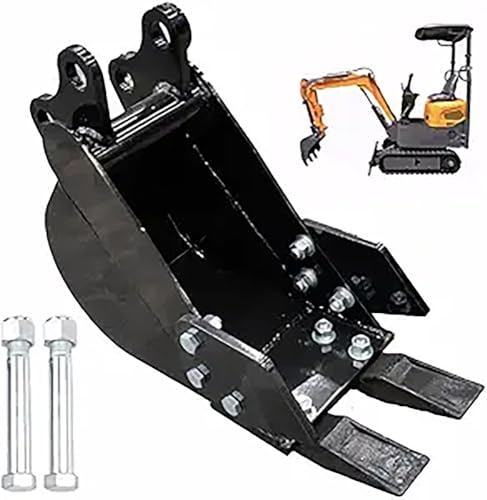
This compact 7.87-inch bucket features hydraulic tilt with a standard 90mm span and 25mm hole diameter, designed for mini excavators in the 0.8–1.5 ton range. It is pitched as a precise, space-saving solution for trenching and leveling, with a central wheelbase of 90mm for stability during tilting. The product highlights emphasize compatibility with a wide range of mini machines and a tilt mechanism that improves cycle times and material placement in light soil and sand.
Why it stands out: its compact size and tilt function make it a versatile choice for tight work areas where precise grading and trenching are needed without sacrificing maneuverability.
DANWIWEE Mini Excavator Bucket Attachments, 20″ No Teeth Flat Backhoe Buckets
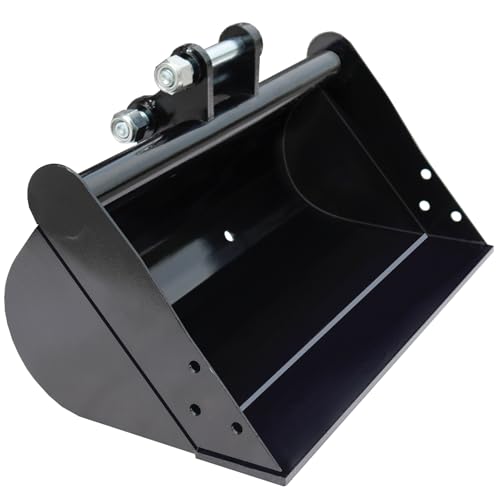
DANWIWEE offers a 20-inch flat backhoe bucket attachment intended for general material loading, slope leveling, and ditch work. The bucket is described as compatible with most mini excavators, with a 25mm hole diameter and 88mm center wheelbase to facilitate straightforward installation. Although not explicitly advertised as a tilt bucket, its flat design is positioned for efficient leveling and material handling on smaller machines, making it a practical companion piece for projects where tilt capability is not strictly required or where compatibility is a primary concern.
Why it stands out: for operators who want a simple, reliable function with easy installation and broad compatibility, this bucket provides a solid baseline option that can work in conjunction with tilt-capable tools when needed.
Buying Guide: Tilt Buckets For Mini Excavators
When selecting a tilt bucket for a mini excavator, consider the following to optimize performance and value:
- Tilt mechanism type: Hydraulic tilt provides precise, adjustable angles, but some models offer manual tilt or fixed angles. Assess whether continuous tilt control is essential for your tasks such as slope grading, ditch cleaning, or trench work.
- Connection compatibility: Verify the bucket’s interface (hole diameter, center wheelbase, and mounting pattern) matches your machine’s undercarriage and pin system. Typical specs to confirm include 25mm hole diameter (0.98 inches) and a 88–90mm wheelbase.
- Width and capacity: Choose a width that aligns with your excavator size (0.8–2T range) and the job scale. Wider buckets move more material per cycle but require stable control and adequate hydraulic power to tilt effectively.
- Material and wear resistance: Look for manganese steel or similar high-strength alloys with corrosion resistance coatings. A robust build helps with longevity in abrasive soils, sand, and mixed debris.
- Teeth vs. toothless design: Toothless (flat) backhoes excel in grading and smoothing surfaces, while toothed variants can break through compacted material. For precise leveling, toothless is often preferred, but teeth may be needed for digging tasks.
- Ease of installation: Quick-connect pins, standard hydraulic hoses, and clear dimension specs reduce downtime and ensure a smoother integration with existing equipment.
- Brand and warranty: Reputable brands with tested compatibility and warranty coverage can reduce risk when using tilt attachments in demanding environments.
Perspective considerations for different project types:
- Landscaping and grading: Tilt capability and a toothless design typically yield smoother finishes and more controlled grading, especially on slight slopes and garden beds.
- Drainage and ditch maintenance: A tilt bucket improves material placement along trench walls, enhancing drainage channel formation and reducing overspill onto surrounding ground.
- Construction and maintenance: Durable materials and reliable sealing of hydraulic components protect against wear in rocky or mixed soils, extending service life between replacements.
- Operational efficiency: Models with faster hydraulic response and stable wheelbase contribute to reduced cycle times and more predictable results during repetitive tasks.