Choosing the right TIG welder for aluminum involves considering amperage, dual-voltage capability, ease of use, and control features. The following five models are among the best options for accurate, clean aluminum welds, offering versatile modes, pulse control, and durable construction. This guide compares core capabilities to help buyers pick a machine that fits their workshop needs and skill level.
Quick Reference: Selected Models
| Product | Brand | Voltage Range | Key Features |
|---|---|---|---|
| YESWELDER 200A AC/DC TIG Welder | YESWELDER | 110/220V | Large LED display, hot start, auto memory, high HF start |
| TOOLIOM 200A AC/DC TIG Welder | TOOLIOM | 110/220V | Six modes (AC/DC TIG, pulse, stick, spot), large display, pedal-ready |
| Sunstac 250A AC/DC TIG Welder | Sunstac | 110/220V | AC/DC TIG, pulse options, LCD display |
| PRIMEWELD TIG225X 225A | PRIMEWELD | 110/220V | CK17 torch, pulse, 200 Hz, versatile for thin metals |
| ARCCAPTAIN TIG Welder 200A | ARCCAPTAIN | 110/220V | 7‑in‑1 multi-process, square/triangular wave, 7 modes |
YESWELDER 200A AC/DC TIG Welder with Pulse

The YESWELDER 200A AC/DC TIG Welder combines dual-voltage flexibility with a compact design, making it suitable for aluminum projects in home shops and professional settings. It includes a large LED display for monitoring welding parameters, an easy-start High-Start ignition to minimize spatter, and an Auto Memory function that saves settings for quick recalls after power cycles. Weighing about 7.47 kg (16.47 lb), it balances portability with abundant power for most aluminum thicknesses. High-frequency non-touch starting supports reliable ignition and stable performance for aluminum welding.
TOOLIOM 200A AC/DC TIG Welder with Pulse

TOOLIOM’s TL-200TP offers a six-mode setup that covers AC TIG, DC TIG, AC/DC Pulse TIG, Stick, and Spot Welding. The dual-voltage capability supports 110V and 220V, with a large digital display showing mode, voltage, and current for easy real-time monitoring. A foot pedal option enables remote current control for precise aluminum welding tasks, enhancing versatility across project types. This machine is suitable when welders need multiple modes without swapping equipment mid-project.
Sunstac 250A AC/DC TIG Welder

Sunstac’s 250A AC/DC TIG Welder emphasizes aluminum welding with a dual-voltage setup and multiple welding modes, including high-frequency options. The integrated LCD display replaces traditional LED panels for clearer parameter reading, particularly under helmet lighting. The machine supports both AC and DC TIG with pulse capabilities, enabling better heat control and cleaner welds on aluminum alloys while accommodating varied project thicknesses.
PRIMEWELD TIG225X 225A
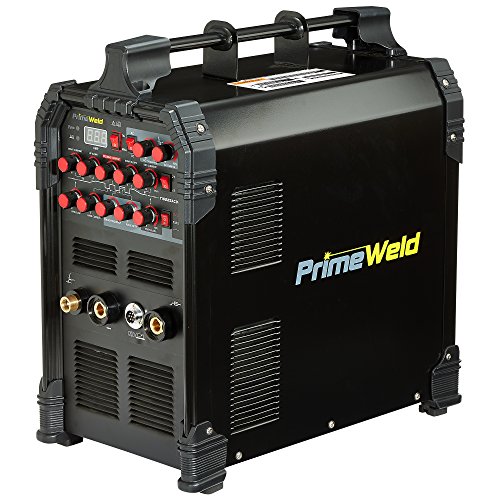
PRIMEWELD’s TIG225X is a robust 225-amp AC/DC TIG/stick welder that emphasizes aluminum welding with a Pulse function and a CK17 Flex Torch included. It supports 200 Hz pulse frequency and AC frequency control, expanding the ability to fine-tune heat input for thin aluminum sections and delicate joints. The CK Worldwide connection and 110/220-volt compatibility make it a versatile choice for hobbyists and professionals who require dependable performance across materials.
ARCCAPTAIN TIG Welder AC/DC 200Amp

ARCCAPTAIN’s 7-in-1 multi-process TIG welder is built to tackle a broad range of metals, including aluminum, with AC/DC capabilities and pulse control. The large LED display provides clear visibility of welding parameters, while the machine supports square and triangular waveforms to manage heat input and reduce distortion. Its composite design enables TIG, Stick, and Spot welds, making it suitable for shops that perform varied fabrication tasks beyond aluminum.
Buying Guide: Key Purchase Considerations
- Welding modes and material compatibility: Aluminum welding benefits from AC TIG with pulse control. Look for machines that support AC TIG, DC TIG, pulse options, and a variety of welding modes to cover metals beyond aluminum.
- Voltage versatility: Dual-voltage (110V/220V) units offer flexibility for home garages and professional shops, reducing the need for a dedicated power supply. Ensure the unit can handle common aluminum thicknesses in your projects.
- Ignition control and arc stability: Features such as HF start, hot-start, and stable ignition reduce spatter and improve weld puddle control on aluminum, especially for thin or oxide-rich materials.
- Display and usability: A clear digital or LCD display helps monitor voltage, amperage, and mode settings. A large display is particularly beneficial when working in bright shop environments or with a helmet on.
- Torch and accessory quality: A robust TIG torch (CK17 or similar) and flexible hoses contribute to easier handling and better control over the weld pool, which is important for aluminum alloys.
- Foot pedal support: Some users prefer pedal control for precise amperage adjustments during critical aluminum passes. Check whether the pedal is included or compatible if you need it.
- Portability vs. power: Weigh the machine’s weight against its power output. Lighter units are easier to move, but more powerful units handle thicker aluminum with less stall.
- Maintenance and warranty: Consider the availability of replacement parts, consumer reviews on reliability, and the manufacturer’s warranty to protect long-term investment.
When selecting a TIG welder for aluminum, prioritize models with strong HF start, pulse functionality, and durable dual-voltage operation. For beginners, a unit with an intuitive interface and auto-memory features can reduce the learning curve. For professional use, emphasis on heat control, pulse frequency options, and a high-quality torch can significantly impact weld consistency and time savings on aluminum projects.