Choosing the right structural epoxy for metal repairs requires considering cure time, bond strength, temperature resistance, and substrate versatility. The following selections are among the most trusted options for automotive, plumbing, construction, and industrial applications. Each product below is evaluated for multi-surface adhesion, durability, and practical working time to help you select a reliable cold-weld alternative.
| Product | Brand |
|---|---|
| AOJEL 2-Part Epoxy Metal Glue | AOJEL |
| 3M Scotch-Weld DP420 | 3M |
| Bob Smith Industries BSI-205 Slow-Cure | Bob Smith Industries |
| Vicpricme Metal Glue | vicpricme |
| Permatex 84109 PermaPoxy 4 Minute Multi-Metal Epoxy | Permatex |
These products cover a range of needs, from quick-setting fast cures to longer working times for complex assemblies. All are designed to bond metals and various substrates under challenging conditions, including oil exposure, high temperatures, and mechanical stress. The list below features five top options with strong track records for reliability, ease of use, and compatibility with common metals like steel, aluminum, and stainless steel.
AOJEL 2-Part Epoxy Metal Glue – Heavy-Duty and High-Temp
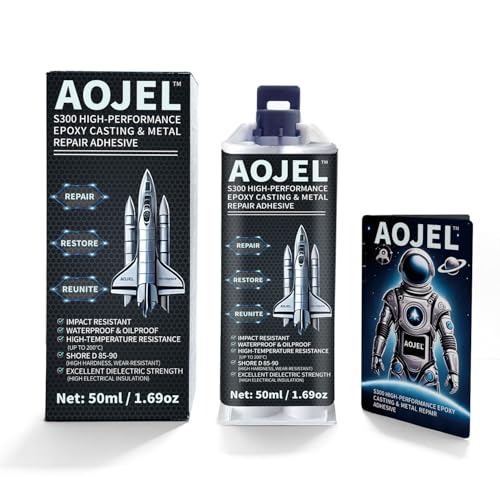
AOJEL offers a two-part system designed for heavy-duty metal bonding with waterproof and high-temperature performance. It withstands up to 392 °F (200 °C) and provides a lab-tested permanent bond suitable for automotive, plumbing, and outdoor repairs. The formula supports multi-material bonding, including steel, aluminum, brass, copper, stainless steel, ceramic, most plastics, wood, fiberglass, PVC, and rubber. Cure is time-controlled to preserve alignment, with initial sets at 3–4 hours and full strength at 8–12 hours (2 hours at 60 °C).
3M Scotch-Weld Epoxy DP420, Black
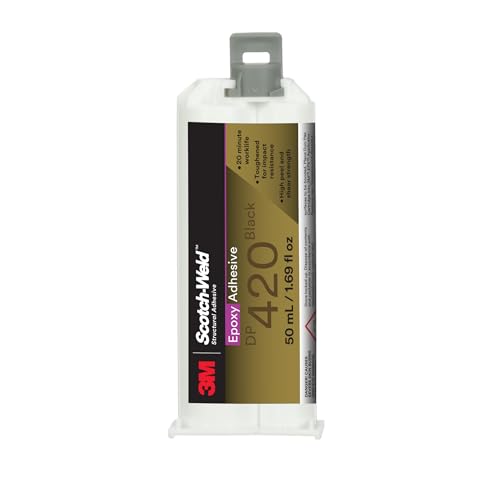
DP420 is a two-part epoxy adhesive known for high impact and fatigue resistance. It bonds a variety of substrates including metals, ceramics, wood, glass, and many plastics. It is widely used in industrial, sporting goods, and transportation contexts due to its strong shear strength and durable performance. The Duo-Pak design makes mixing straightforward, and the epoxy is engineered for long-lasting structural bonds in demanding environments.
Bob Smith Industries BSI-205 Slow-Cure Epoxy
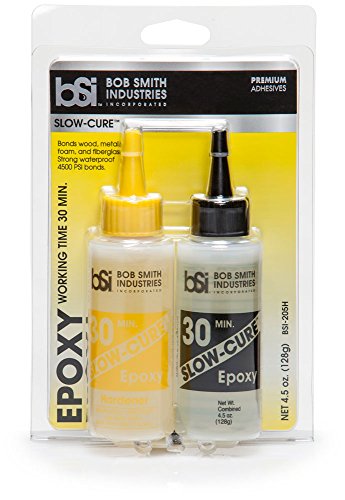
BSI-205 Slow-Cure epoxy offers an extended working time of about 30 minutes, enabling careful positioning for larger or more precise repairs. After curing, it forms a tough, impact-resistant bond suitable for load-bearing joints. It adheres to wood, fiberglass, metal, glass, ceramics, and most plastics, providing versatility for hobbyists and professionals alike who need reliable metal-to-metal bonding with a forgiving setup window.
Vicpricme Metal Glue – Heavy Duty

Vicpricme Metal Glue is a heavy-duty two-component epoxy designed for metals, plastics, ceramics, and more. It features a fixed 1:1 mixing ratio and a quick working time of about 5 minutes with a full cure in 24 hours. The cured bond is reported to be as strong as steel in some applications and resilient across a wide temperature range (-65°F to 548°F). The product is drillable, sandable, and paintable after curing for a finished repair.
Permatex 84109 PermaPoxy 4 Minute Multi-Metal Epoxy

PermaPoxy 4 Minute Multi-Metal Epoxy is a fast-setting option designed for metal repairs with multi-metal capabilities. It sets in about four minutes, requiring no clamping, and delivers permanent strength up to 4500 PSI. The cured material can be drilled, sanded, threaded, or filed, making it suitable for quick field repairs and in-shop fixes where speed matters.
Cerca de Metal Glue – Heavy Duty

Cerca de Metal Glue is designed for heavy-duty metal bonding with a wide substrate range, including metal, aluminum, steel, stainless steel, ceramics, glass, and many plastics. It incorporates metal powder for enhanced adhesion and hardness, offering toughness for extreme environments. After curing, it can be sanded, painted, and drilled, enhancing finish options for repaired components.
3M Impact Resistant Structural Adhesive (07333)

3M 07333 offers high impact strength and is often recommended by OEMs for structural bonding. This true automotive-grade adhesive provides robust performance and corrosion protection with a long-term warranty in many applications. It suits metal-to-metal joints, especially in environments with vibration, heat, and exposure to harsh elements.
Bob Smith Industries BSI-201 Quik-Cure Epoxy

BSI-201 Quik-Cure epoxy is designed for fast setting, delivering a complete cure in about 15 minutes. It forms a strong bond across metal, wood, glass, ceramics, fiberglass, and most plastics. Its quick-setting profile makes it suitable for time-sensitive repairs and rapid prototyping where speed is essential without sacrificing bond integrity.
Buying Guide
Key purchase considerations help narrow choices for metal bonding epoxy. Consider substrate type, cure time, and environmental exposure when selecting an epoxy adhesive.
- Substrate compatibility: Verify metal types (steel, aluminum, stainless steel) and any non-metal substrates (ceramics, plastics) the epoxy claims to bond.
- Working time vs. setting speed: For large or complex assemblies, longer working time (like 20–30 minutes) can be advantageous. For quick fixes, fast-sets (4–15 minutes) are preferable.
- Temperature and chemical resistance: Look for epoxies rated for high temperatures and exposure to oils, fuels, or water if the repair occurs in automotive, marine, or plumbing contexts.
- Ease of use: 1:1 mix ratios and pre-measured kits simplify mixing, reduce waste, and improve consistency.
- Mechanical properties: Consider shear strength, impact resistance, and whether the epoxy is designed for load-bearing joints or non-structural repairs.
- Finish and post-processing: Drilling, sanding, painting, or filleting may be required after cure; ensure the product supports your finishing needs.
- Application environment: Some formulations are single-component or require heat activation; select based on whether you can control curing temperature or workspace conditions.
In practice, for critical metal-to-metal joints under heat and vibration, a two-part epoxy with high shear strength and a controlled cure is typically preferred. For rapid field repairs, fast-acting epoxies with good metal adhesion and low clamping needs can be advantageous. Always follow manufacturer instructions, including surface preparation (degreasing, roughening), and cure times to achieve the intended strength.