Choosing the right soil density testing tools helps agronomists, farmers, and hobby gardeners assess soil compaction and structure efficiently. This guide presents five reliable options, highlighting how each device measures soil properties that influence density, drainage, root growth, and overall crop health. Readers will find a mix of dedicated density testers and versatile soil meters, along with practical buying considerations to match climate, soil type, and project scale.
| Product | Brand | Key Use |
|---|---|---|
| AgraTronix 8180 Soil Compaction Tester | AgraTronix | Measure soil compaction with a 24″ probe and stainless dial for growing-condition insights |
| MySoil Soil Test Kit | My Soil | Comprehensive nutrient and pH analysis with tailored recommendations |
| Rapitest Soil Test Kit | Luster Leaf | pH and nutrient analysis with plant-specific guidance |
| Tadeto Soil pH Tester | Tadeto | pH measurement across soils, solutions, and agricultural applications |
| Leaping Lynx Soil pH Test Kit | Leaping Lynx | Quick pH monitoring with color-based strips for multiple environments |
AgraTronix 8180 Soil Compaction Tester
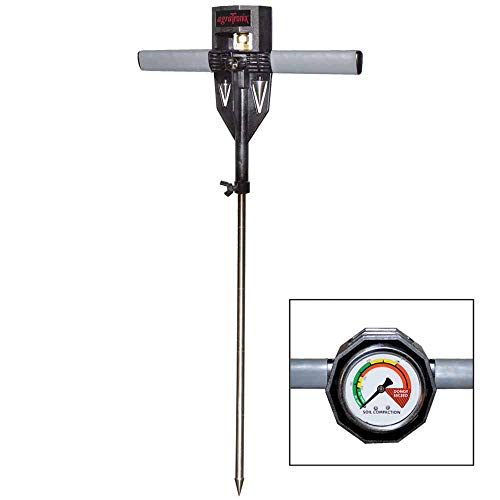
The AgraTronix 8180 is designed to quantify soil compaction using a 24-inch stainless-steel probe and a rubber-grip, portable design. Its dial readout displays compactness levels that influence root penetration and water infiltration. The device includes a water-filled dial to reduce shock and improve durability during field transport. This tester is suited to open fields, orchards, and turf projects where density directly affects drainage and aeration. The long probe length enables depth-specific measurements without excessive soil disturbance.
MySoil Soil Test Kit
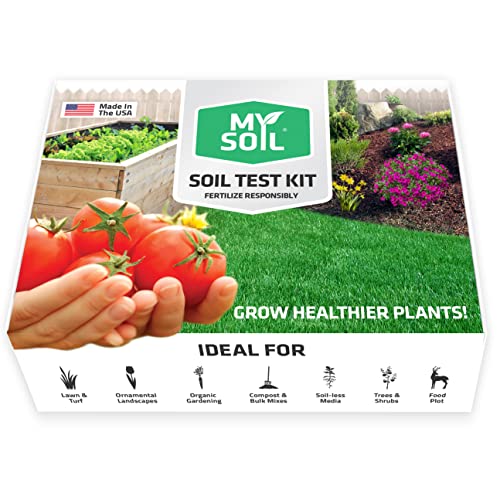
The MySoil kit provides a complete soil nutrient and pH analysis with vendor-tailored recommendations. It measures 13 plant-available nutrient levels and pH through a mail-in lab analysis, delivering results in 6–8 days. This option suits gardeners and professionals seeking precise soil chemistry for lawns, vegetables, and ornamentals. While not a field-density probe, accurate nutrient and pH data support density-related management by guiding amendment practices that improve soil structure and microbial activity.
Rapitest Soil Test Kit

Rapitest is a commonly used, quick-testing kit that reads soil pH and offers nutrient indicators. Its LED-assisted readout provides fast results, ideal for routine monitoring of garden beds and lawns. The kit includes guidance on pH preferences for a wide array of plants, helping users adjust soil chemistry to optimize compaction-related outcomes, such as better water movement and root proliferation. Its portability makes it useful for on-site checks during planting and maintenance schedules.
Tadeto Soil pH Tester

The Tadeto pH tester offers versatile measurement across soils, solutions, and irrigation contexts, with a backlit LCD and real-time temperature display. The instrument includes three-point calibration and an alarm function for extreme pH readings, supporting density-related decisions like liming or acidification to achieve the desired soil structure and microbial balance. This device is suitable for fieldwork and greenhouses where quick, multi-environment pH readings are necessary.
Leaping Lynx Soil pH Test Kit

Leaping Lynx offers 100 high-quality soil pH test strips (range 3–9) to monitor field or garden soils. This kit provides a rapid, color-based method to gauge acidity or alkalinity, enabling timely amendments that influence density through improved soil structure and root growth. The simplicity and abundance of strips make it suitable for educational use, ongoing monitoring, and large-scale soil health projects where density considerations intersect with nutrient availability and microbial activity.
Buying Guide: Key Purchase Considerations
When selecting soil density and related testing equipment, consider purpose, soil type, and desired data depth. For field density and compaction, choose probes with sufficient length, robust construction, and durable readouts that tolerate rough handling and moisture. For nutrient and pH assessment, prioritize accuracy, calibration options, and whether you prefer on-site quick checks or lab-based analyses. Compatibility with your climate and typical plant species improves relevance; some devices excel in pH tracking while others emphasize mechanical density. Budget, maintenance needs, and data logging capabilities are additional factors to weigh.
Comparative Perspectives
– Field-mounted density tests offer immediate results but may require multiple measurements across layers for accuracy. Probes with shock-resistant features help when transporting through rough terrain.
– Lab-based soil analysis, like the MySoil kit, provides comprehensive nutrient profiles but introduces turnaround time. It is valuable for long-term planning and precise amendment strategies.
– Quick, color-based strips, such as Leaping Lynx and Rapitest, are convenient for routine checks but may be less precise for fine-tuned density decisions. Regular calibration and method consistency improve reliability.
In practice, a mixed toolkit often serves best: a durable density tester for in-field measurements, plus a few quick pH and nutrient tests to guide immediate decisions. This approach supports proactive soil management, helping gardeners and professionals maintain proper density, drainage, and aeration across varied soil environments.