The right gear reduction box can boost torque, improve acceleration, and provide smoother power delivery for small 2-stroke and light 4-stroke engines. This guide highlights five top options that fit popular mini bikes, scooters, ATVs, and garden engine setups. Each entry includes key specs and how it can impact performance, plus a buying guide to help you compare choices.
| Product | Engine Compatibility | Gear Ratio | Notable Feature |
|---|---|---|---|
| NovelBee Black Transmission Gear Box | 47cc/49cc 2-stroke | 3:1 | Aluminum alloy construction |
| RedCap Transmission Gear Reduction Box Kit | 43cc–50cc 2-stroke pocket bikes | 3:1 | Multiple sprockets included |
| DOACT Gear Reduction Box | Mini ATV and similar 2-stroke/4-stroke engines | 3:1 (implied) | Premium aluminum alloy build |
| NovelBee Silver Transmission Gear Box | 47cc/49cc 2-stroke | 3:1 | Lightweight aluminum design |
| maXpeedingrods 2:1 Reduction Gearbox | Honda GX series and similar | 2:1 | Wet clutch compatible |
NovelBee Black 3:1 Gear Reduction Box
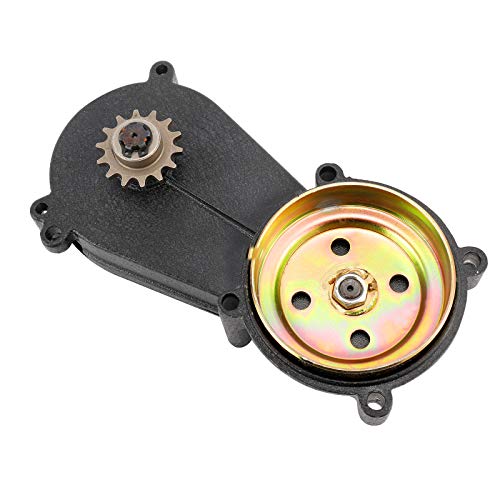
The NovelBee Black transmission gear box is designed for small 47cc/49cc 2-stroke pocket bikes. It features a 3 to 1 chain reducer and uses an aluminum alloy body for durability and light weight. Overall dimensions are approximately 8 inches by 4.3 inches by 2.6 inches, offering a compact upgrade that fits many mini bikes. This box is intended to enhance torque at lower speeds while maintaining smooth engagement during acceleration. As a complete upgradable component, it pairs with existing drive systems that use standard pocket bike chains.
RedCap 3:1 Gear Reduction Box Kit

The RedCap transmission gear reduction box is built for 43cc–50cc Chinese 2-stroke mini bikes, pocket bikes, scooters, and ATVs. It uses a 3:1 reduction ratio to improve torque and acceleration. The kit includes five drive sprockets (11T, 13T, 14T, 17T, 20T) for compatibility with T8F chains, enabling riders to fine-tune torque and top speed. It is especially useful for riders who want flexible setup options for different terrains or riding styles.
DOACT Gear Reduction Box For Mini ATV

The DOACT gear reduction box is described as delivering enhanced engine performance with an emphasis on torque and reliability. Built from premium aluminum alloy, the unit promises durability and stable operation under load. It is targeted at mini ATVs and similar small machines, where a robust reduction gear can support smoother clutch engagement and improved power transfer. The product emphasizes precision machining and overall quality as part of its performance improvements.
NovelBee Silver Transmission Gear Box

The Silver variant from NovelBee mirrors the Black model with a 3:1 chain reducer and aluminum alloy construction. Dimensions are similar, with a compact footprint suitable for 47cc/49cc 2-stroke pocket bikes. The silver box offers a straightforward upgrade path for riders seeking consistent torque and reliable gear reduction without altering the core drive system. It is compatible with common pocket bike configurations and is designed for easy installation.
maXpeedingrods 2:1 Reduction Gearbox

The maXpeedingrods 2:1 reduction gearbox is designed for Honda GX160/GX200 engines, Loncin G160/G200, and Lifan LF200/LF210, making it a versatile option for larger small-engine builds. The 2:1 ratio halves input speed while doubling torque, which can significantly improve power delivery for matched power sources. The unit is compatible with standard and L-type shafts, and it features a wet clutch configuration to support smooth shifting and reliable operation under load. It is suitable for users upgrading performance without changing the entire drive system.
Buying Guide: Key Considerations And Comparisons
Torque, speed, and compatibility are the core considerations when selecting a gear reduction box for small engines. Important factors include the engine displacement, chain type (such as T8F), and the available drive sprockets. A 3:1 reduction typically increases torque without drastically reducing top speed, whereas a 2:1 setup prioritizes higher torque at higher RPM ranges. Material quality—prefer aluminum alloys for weight and heat dissipation, or iron-aluminum blends for maximum durability—affects longevity under heat and vibration. Ensure that the input shaft diameter and mounting pattern match your engine and frame to minimize installation issues.
When choosing among models, consider these viewpoints:
- Performance goals: If you want easier wheel torque for hill climbs or heavy payloads, a 3:1 with multiple sprocket options helps tailor acceleration and speed. For extreme torque needs, a 2:1 design may be better paired with a compatible engine.
- Maintenance: Look for sealed or well-machined components to reduce wear and leaks. A quiet, smooth engagement reduces rider fatigue and improves reliability.
- Compatibility checks: Verify chain type (T8F or others), the number of teeth on sprockets, and shaft sizes before purchase to avoid misfit.
- Installation effort: Some units require minimal modification, while others may need adapter plates or custom mounting hardware. Budget time for installation and alignment.
For riders upgrading legacy machines, assess whether a gear box with a standard footprint will fit within the existing chassis and whether mounting points align with your frame. If you anticipate frequent terrain changes or variable loads, choosing a model with a wider range of sprockets and an easy adjustment path can be advantageous. Finally, consider support resources from the seller or brand for fitment guidance and warranty coverage to protect your investment.