Choosing the right shipping container loading ramp is essential for safe, efficient loading and unloading. This guide highlights top ramps designed for high-capacity use, forklift compatibility, and durable construction. Below you’ll find five carefully selected options, each with key features to help you compare depending on container size, equipment, and environment.
| Product | Brand | Capacity | Primary Use |
|---|---|---|---|
| Mytee Products 68″ x 86″ HD Steel Shipping Container Ramp | Mytee Products | 14,000 lbs | Forklift-accessible container loading |
| DMC-FPPS 68” x 86” Heavy Duty Shipping Container Ramp | DMC-FPPS | 16,000 lbs | Truck-to-dock bridge, forklift-ready |
| DMC-FPPS 49″x86″ Heavy Duty Container Ramp | DMC-FPPS | 16,000 lbs | Container-to-dock transition, forklift compatible |
| Fworkleft Heavy Duty Container Loading Ramp 68″ x 86″ | Fworkleft | 16,000 lbs | Forklift-compatible container loading |
| 36″ x 36″ Shipping Container Forklift Ramp with 6″ Lip | HD Ramps | 8,000 lbs per axle | Container lip transition, light-to-medium loads |
These options cover a range of container sizes, forklift needs, and load capacities. The following sections present concise details to help you compare installation, usage, and safety considerations for each product.
Mytee Products 68″ x 86″ HD Steel Ramp

This heavy-duty ramp is designed for container environments requiring forklift compatibility. With a substantial 14,000 lb capacity, it supports movement of pallet jacks, hand trucks, and pallets into and out of a shipping container. The ramp emphasizes safety and ease of use, featuring secure anchoring options and a robust construction suitable for frequent loading cycles in warehouse settings. The included features highlight a balance between affordability and industrial-grade strength, making it a practical choice for mid-to-large operations.
DMC-FPPS 68” x 86” Heavy Duty Ramp

This 68 by 86 inch ramp delivers a high-capacity bridge between truck beds and dock areas. Constructed from durable steel with a diamond plate surface, it’s designed to handle up to 16,000 lbs and is suitable for forklifts. The ramp’s generous width and sturdy build help ensure smooth transitions even with heavy pallets or machinery, making it ideal for warehouses with frequent containerized loads.
DMC-FPPS 49″ x 86″ Container Ramp
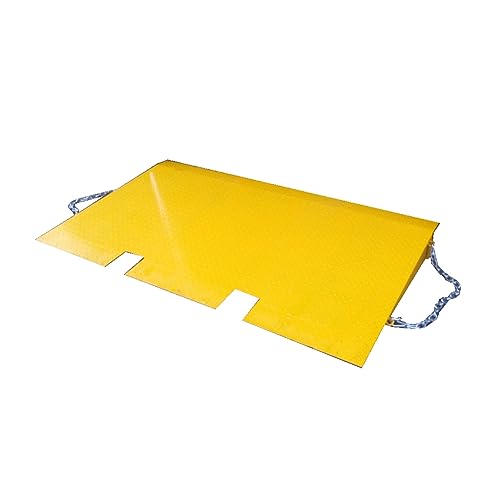
Designed to bridge the gap from container to dock, this 49 by 86 inch ramp emphasizes forklift compatibility and heavy-duty performance. The ramp’s compact width works well for tighter dock configurations while maintaining a robust 16,000 lb capacity. Its diamond plate surface enhances traction in varied weather conditions, supporting safe, efficient loading operations.
Fworkleft 68″ x 86″ Heavy Duty Ramp

Fworkleft’s 68 by 86 inch ramp is engineered for high-capacity container handling and forklift compatibility. The 16,000 lb rating ensures support for heavy loads during container transitions. Two lifting chains and safety features improve positioning and stability during loading operations, making it a practical choice for busy docks and warehousing facilities seeking durable, reliable performance.
HD Ramps 36″ x 36″ Container Ramp

This compact container ramp focuses on a 36 by 36 inch footprint with an 8,000 lb per axle capacity. It is well-suited for smaller or lighter-load container transitions where space is limited. The grit-coated aluminum surface provides reliable traction in all weather, while the 6″ lip compatibility supports easier transitions for pallet jacks and forklifts alike.
Buying Guide
Key considerations when evaluating shipping container ramps include capacity, compatibility, and durability:
- Capacity and axle load: Match ramp capacity to the heaviest equipment and loads you’ll move. Forklift-enabled ramps typically require higher ratings (10,000–16,000 lbs) compared with pallet-jack-only ramps.
- Container and dock compatibility: Ensure the ramp width and length fit your container opening and dock height, and consider height differentials to optimize tilt angles and transitions.
- Surface and traction: Diamond plate or grit-coated surfaces improve grip in wet or icy conditions. Perforated or slotted surfaces help water drainage and reduce slipping risk.
- Portability and installation: Some ramps include carrying handles or quick-setup holes for ease of placement. Consider whether permanent anchoring is needed or if frequent repositioning is required.
- Forklift compatibility: If forklifts will use the ramp, verify lip height, edge protection, and safety features such as chains, latches, and secure fittings.
- Durability and material: Steel ramps offer high strength and long life but are heavier. Aluminum ramps reduce weight but may require extra care for gleaming or abrasive environments.
- Safety features: Look for anti-slip surfaces, visible color cues, and underside stabilizers to minimize tipping and movement during use.
- Maintenance: Inspect for wear on edges, fasteners, and surface coatings. Some ramps include protective edge treatments to prevent docking damage.
- Compliance: Ensure the ramp meets applicable safety and industry standards for your region and industry sector (shipping, freight, warehousing).
In summary, the best ramp for your operation depends on the combination of container size, equipment type, and daily load profile. Heavy-duty steel ramps with forklift compatibility are ideal for frequent, high-volume container moves, while lighter or narrower ramps suit limited space or lighter pallet jack usage. Always verify measurements and installation requirements before purchase to ensure a safe, efficient workflow.