Finding the right sheet metal roll former or rolling tool can simplify fabricating curved panels, hats, profiles, and custom bends. This guide highlights five practical options, ranging from dedicated roll machines to reliable sheet metal bending tools. Each pick is paired with key features to help informed decisions for hobbyists and professionals alike.
| Product | Brand | Notable Feature |
|---|---|---|
| Eastwood 12 in. Slip Roll Roller | Eastwood | Widely used for sheet metal up to 12″ wide and 18 gauge |
| Uttempt Sheet Metal Roller | Uttempt | 0-100° bending range; precise imperial depth gauge |
| St Louis Crafts Aluminum Foil Roll | St Louis Crafts | 36-gauge foil for lightweight craft accents |
| Yaocom Aluminum Flashing Roll | Yaocom | 0.1 mm aluminum for flexible shaping in crafts |
| BRULVVR 4 Pcs 18 Gauge Steel Plate 12×16 | BRULVVR | Pre-cut cold-rolled steel for structural fabrication |
Eastwood 12 inch Slip Roll Roller for Sheet Metal

The Eastwood slip roll is designed for sheet metal and wire up to 12 inches in width, with a maximum thickness of 18 gauge. Its 12-inch roll width and adjustable rolls support basic forming tasks, including curves and small profile bends. This tool is positioned for hobbyists and small shops performing light to moderate metal shaping, offering a straightforward approach to rolling and shaping metal panels without extensive setup.
Key features include compatibility with 12″ width rolls, an 18-gauge capacity, and practical handling for hobby projects. Users should consider available space, the desired bend radius, and compatibility with the thickness of their material to ensure this roller meets their project needs. Proper alignment and lubrication are recommended for consistent results over time.
Uttempt Sheet Metal Roller 7 Inch Bending Tool
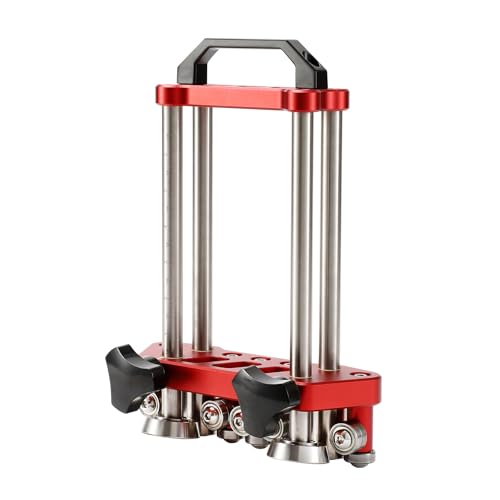
The Uttempt Sheet Metal Roller emphasizes a lightweight, portable design with a 0-100° bending range and an exclusive angled roller to prevent scratching during 90° bends. This tool targets professionals who regularly work on profiling metal panels or installing snap-lock panels that require precise bends near the eave. It supports sheet metals in the 0.2 mm to 1.0 mm thickness range and uses a height-adjustable knob plus a center roller gauge for accurate, repeatable results.
Consider the required bending range for your projects, the thickness limits, and the handling of long or irregular shapes. Skill in operating sheet metal bending tools will influence outcomes, and proper setup will improve accuracy and reduce material marking or distortion.
Alffun 2 Pcs 18 Gauge Steel Sheet 12×9

These 18-gauge steel sheets provide solid material for fabrication projects, including welding, cutting, and bending. Each 12″ x 9″ plate is cold-rolled for strength and dimensional stability. A light protective oil coating helps prevent oxidation during shipping and is removable before use. The combination of low-carbon steel and ductility supports straightforward fabrication tasks in both professional and DIY contexts.
When choosing steel plates for roll forming or bending, consider the intended fabrication process (welding, cutting, or forming), surface prep requirements, and whether the thickness aligns with your tooling capabilities. For larger or more complex projects, you may need multiple sheets or thicker stock.
Alffun 2 Pcs 16 Gauge Sheet Metal 12×8
This set includes two 12″ x 8″ sheets of 16-gauge cold-rolled steel, protected with a light oil coating to resist oxidation during shipping. The material offers strong steel properties with good weldability and plasticity for shaping, cutting, drilling, and bending. Like other steel sheets, it’s suitable for structural fabrication, brackets, and DIY metalworking projects, with careful handling to avoid warping or edge burrs during processing.
Key considerations include ensuring compatibility with your bending tools, surface preparation for coatings or paints, and verifying that the sheet thickness aligns with your machine’s bending radius and torque capacity.
BRULVVR 4 Pcs 18 Gauge Cold Rolled Steel Plate

This 4-pack includes 18-gauge cold-rolled steel plates, each 12″ x 16″ with a thickness of 1.2 mm. The plates feature smooth laser-cut edges and a polished cold-rolled surface, making them suitable for welding, cutting, and bending. They are designed for structural projects and can be primed or painted for corrosion resistance and finish requirements.
For users evaluating sheet metal stock for projects, consider the combined area provided by a multi-pack, the finish quality after cutting, and compatibility with your finishing or coating plan. Temperature resistance and surface prep influence final outcomes in fabrication projects with paint or plating.
PH PandaHall 6.5 Ft Aluminum Flashing Roll

The PandaHall aluminum flashing roll offers 6.5 feet of a 0.5 mm thick aluminum strip suitable for roofing, DIY crafts, and weatherproofing tasks. Made from 1060-grade aluminum, the material provides corrosion resistance and good electrical/thermal conductivity. It is bendable and can form into shapes needed for sealing joints and creating flexible transition pieces in small projects.
Practical considerations include confirming the required width (around 5 cm in roll form here), ensuring a clean cut with appropriate tools, and evaluating whether the material thickness aligns with your forming or bending capabilities. This roll can complement more substantial roll-forming tools in mixed-material projects.
Buying Guide: Key Purchase Considerations
- Material compatibility: Choose tools and sheets that match your target material (aluminum, steel, etc.) and thickness. Thicker stock requires stronger tooling and may limit bend radii.
- Project scope: For small crafts, lightweight foil and flashing rolls can supplement dedicated roll formers. For structural fabrication, focus on sturdy steel plates and robust bending tools.
- Precision and finish: Look for features like depth gauges, adjustable knobs, aligned rollers, and smooth surfaces to achieve consistent results and cleaner finishes.
- Portability and space: If you work in tight spaces or on-site, prioritize compact rollers and lighter sheets that are easy to transport.
- Safety and handling: Wear gloves when handling sharp edges, use protective eyewear, and follow tool-specific safety instructions to prevent injuries.
- Maintenance: Regular lubrication of rollers and cleaning of metal surfaces helps maintain performance and extends tool life.
- Cost vs. capability: Balancing price against required capabilities ensures you don’t over-invest in features you won’t use, while still meeting project demands.
- Future expansion: Consider modular setups or starter kits that allow adding additional rollers or larger sheets as your skills grow.