Finding the right rubber tracks for a skid steer can improve traction, reduce ground damage, and extend machine life. This guide highlights five high-demand options from Rio Rubber Track Inc that fit common skid steer models and attachments. Each product below includes a quick spec snapshot and practical considerations to help you choose the best track for your work site.
Product Summary
| Product | Track Size (L x W x T) | Compatible Equipment | Key Feature | URL |
|---|---|---|---|---|
| 2 pc. 12.6″ Wide Rubber Track for Bobcat T76/T77 | 320 x 86 x 53 | Bobcat T76, T77 | Narrow profile for tight spaces | Amazon |
| 2pc Rubber Track 153 x 88 x 28 for Toro Dingo TX 413/420/425/427/525 | 153 x 88 x 28 | Toro Dingo TX series | Compact for light-duty tasks | Amazon |
| 2 pc Rio Rubber Track 180 x 72 x 32 for Ditch Witch SK300/SK350 | 180 x 72 x 32 | Ditch Witch SK300/SK350 | Balanced wear and stability | Amazon |
| 2 pcs Rubber Track 180 x 72 x 37 for Kubota K008 Mini Excavator | 180 x 72 x 37 | Kubota K008 | Additional durability for small excavators | Amazon |
| 2Pc Rubber Track 457 x 101.6 x 51 for CAT 287/287B, ASV RC85/RC100, Terex PT100 | 457 x 101.6 x 51 | CAT 287/287B, ASV RC85/RC100, Terex PT100 | Heavy-duty construction for larger machines | Amazon |
Below are five selected rubber track options that cover a range of machine sizes and applications. Each entry includes a concise overview to help you compare fit, performance, and maintenance considerations.
2 pc. 12.6″ Wide Rubber Track For Bobcat T76/T77

The 320 x 86 x 53 track is designed for Bobcat T76 and T77 skid steers, offering a narrow profile suitable for work in tighter spaces. This configuration can help with precision in yard work, landscaping, and urban projects where wider tracks might not fit. The tracks are built with a balance of ride comfort and resistance to wear, aiming to reduce track tension and stretch over time. Consider their availability in your region and whether your machine’s undercarriage matches the width and pitch specifications.
Key considerations: verify compatibility with your model year, confirm correct drive sprocket geometry, and check for warranty terms. Regular inspection of track lugs and bolts is advised to avoid premature wear. If you frequently work on hard-packed soil or asphalt-adjacent sites, these tracks can help distribute weight more evenly and protect sensitive surfaces.
2pc Rubber Track For Toro Dingo TX Series

At 153 x 88 x 28, these tracks are tailored for Toro Dingo TX models. The narrower width makes them a practical choice for lighter duty tasks, where maneuverability and compact footprint matter. They can improve traction on loose soil and help avoid sinking in soft ground while still delivering a stable ride. As with any track set, ensure the pitch, width, and link shape align with your undercarriage geometry to prevent poor tracking or idle wear.
Maintenance focus: cleaning debris from the track area, checking tension, and monitoring wear on the track pads. For Toro Dingo users, compatibility with the TX line means you can often source replacement parts from the same supplier network, simplifying maintenance. Be mindful of storage conditions when not in use to extend the life of rubber components and prevent cracking from temperature fluctuations.
2 pc Rio Rubber Track For Ditch Witch SK300/SK350

The 180 x 72 x 32 rubber tracks are sized for mid-range excavators like the Ditch Witch SK300 and SK350. They strike a balance between flotation on soft ground and rigidity when a loading crane or trenching is performed. If your work involves varied terrain—sand, clay, gravel—these tracks can provide stable traction and reduce ground disruption. Confirm that the track undercarriage matches the 180 mm length, 72 mm width, and 32 mm thickness in your model’s spec sheet.
Practical notes: check how the track tension is adjusted on your machine and whether the drive sprocket teeth align with the track’s internal pitch. Regular lubrication of suspension components and checking of bearing wear support smoother operation over time. If you often switch between trenching and surface tasks, this size offers versatility without sacrificing resistance to impact.
2 pcs Rubber Track 180 x 72 x 37 For Kubota K008

With a taller profile at 37 mm, these rubber tracks for Kubota K008 mini excavators emphasize enhanced durability and side-plate strength. The extra thickness can contribute to longer life under tough conditions, such as rocky substrates or repeated trench edges where side impact is common. They are suited for compact machines that still need solid flotation and steadier loads during lifting tasks. Ensure the Kubota undercarriage geometry accepts this track sizing and that the drive sprockets and rollers align properly to avoid premature wear.
Operational guidance: inspect the internal links for wear, confirm the track’s internal spacing matches your drive system, and adhere to manufacturer tension specs. Periodic cleaning and conditioning of rubber compounds help resist UV damage and maintain elasticity, especially if the unit is stored outdoors for extended periods.
2Pc Rubber Track 457 x 101.6 x 51 For CAT 287/287B
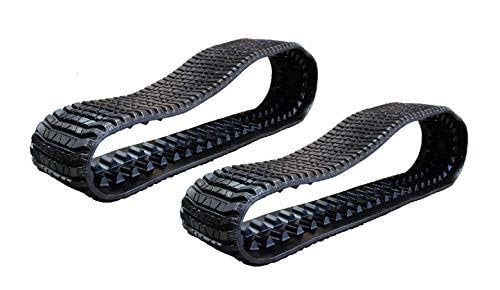
These heavy-duty tracks at 457 x 101.6 x 51 mm are designed for larger machines such as CAT 287/287B, ASV RC85/RC100, and Terex PT100. They provide enhanced load-bearing performance and stable stability on rugged sites, making them suitable for site prep, demolition, and heavy trenching tasks. When selecting tracks of this size, confirm your machine’s frame clearance and the structural integrity of the undercarriage. The wider footprint helps distribute weight more evenly, reducing ground pressure on sensitive surfaces.
Maintenance considerations: verify correct tension to avoid belt slippage, inspect lugs for wear under heavy loads, and monitor track condition after high-impact operations. This class of track is typically more resilient to abrasion and puncture, but regular checks and proper storage help maximize service life and return on investment.
Buying Guide: Key Purchase Considerations
Choosing rubber tracks involves evaluating machine size, operating conditions, and lifespan expectations. These considerations help ensure you select tracks that deliver consistent traction, minimize surface damage, and align with service intervals.
- Compatibility and fit: Confirm the exact model, year, and undercarriage specs (width, pitch, link type) match the tracks. Even small mismatches can cause tracking issues or accelerated wear.
- Terrain and workload: Softer ground and uneven surfaces benefit from wider, more robust tracks that spread weight. Narrow tracks maximize maneuverability in confined spaces but may wear faster on rough terrain.
- Durability and material quality: Look for reinforced structures, proper rubber compound choices, and robust lugs designed for your typical loads. Heavier machines require higher-tly resistance to wear and punctures.
- Maintenance and serviceability: Availability of replacement parts, ease of tensioning, and accessibility for cleaning impact total cost of ownership. Choose tracks with a straightforward inspection routine.
- Warranty and supplier support: A reliable warranty and responsive supplier network help manage long-term performance and repairs, especially for fleet use.
- Storage and climate considerations: Rubber can crack with prolonged sun exposure or extreme temperatures. Store tracks out of direct sunlight and in moderate conditions when not in use.
In summary, the five tracked options presented address a spectrum of skid steer needs—from tight-spot maneuverability and light-duty Toro Dingo applications to mid-range Ditch Witch and Kubota units, up to heavy-duty CAT and ASV-class machines. When selecting, prioritize compatibility, terrain demands, and serviceability to maximize uptime and minimize total ownership costs.