Resilient seat gate valves are a common choice for water, wastewater, and industrial piping systems due to their tight shut-off capabilities and durable construction. This guide highlights five reliable models that combine robust materials with resilient seating to minimize leakage and streamline maintenance. Each product is summarized below with key specifications and practical considerations to help engineers and buyers compare options quickly.
| Product | Nominal Size | Connection | Pressure Rating | Material Highlights |
|---|---|---|---|---|
| DN50-DN1200 PN16 Standard Resilient Seat F4 Gate Valve | DN50-DN1200 | Standard | PN16 | Resilient seat, F4 gate valve |
| 9610F25 Resilient Seated Gate Valve, 2-1/2 in Nominal | 2-1/2 in | Flanged x Flanged | 300 psi | Ductile iron body, rising stem, handwheel |
| 9600FJ4 Resilient Seated Gate Valve, 4 in Nominal | 4 in | Flanged x MJ | 300 psi | Ductile iron body, non-rising stem |
| 9600FJ3 Resilient Seated Gate Valve, 3 in Nominal | 3 in | Flanged x MJ | 300 psi | Ductile iron body, non-rising stem |
| 9600MJ3 Resilient Seated Gate Valve, 3 in Nominal | 3 in | MJ x MJ | 300 psi | Ductile iron body, non-rising stem |
DN50-DN1200 PN16 Standard Resilient Seat F4 Gate Valve
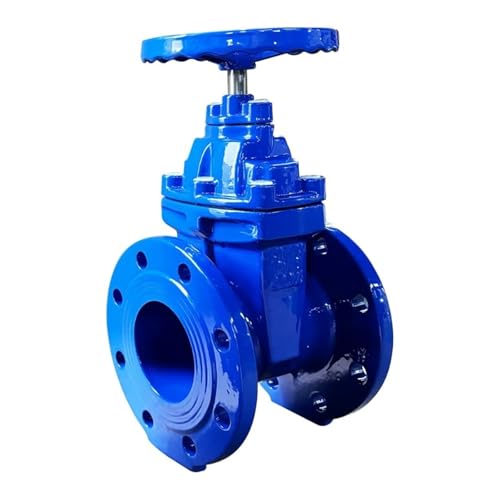
This model spans a broad nominal size range from DN50 up to DN1200 and carries a PN16 pressure rating, making it suitable for medium to high-pressure water or industrial piping. The resilient seat design provides a tight shut-off and reduced leakage, which is beneficial in systems where valve seepage could cause corrosion or energy inefficiency. When selecting this valve, engineers should verify the bore geometry and seating material compatibility with the system’s fluid characteristics, including potential debris content and temperature fluctuations. The F4 designation indicates a robust gate profile appropriate for wear resistance over time.
Key considerations include the valve’s end connections, which typically align with standard piping flanges. Handling and installation should account for the valve’s weight and the torque required to operate under full pressure. Routine maintenance should focus on seating integrity, stem lubrication, and packing gland tension to prevent leakage at the bonnet. In applications with frequent cycling, confirm the valve’s cycle rating and ensure the actuator or handwheel interface remains smooth and responsive.
Overall, this valve offers versatility for large-diameter pipelines and can play a pivotal role in systems that demand dependable isolation with a compact seat profile and predictable shut-off behavior.
9610F25 Resilient Seated Gate Valve, 2-1/2 in Nominal

The 9610F25 is a compact, resilient-seated gate valve designed for 2-1/2 inch nominal size lines with a flanged x flanged configuration. It operates at up to 300 psi and features a ductile iron body for strength and corrosion resistance, a stainless steel stem for durability, and graphite packing designed to minimize leakage around the stem. The rising stem and handwheel operator are user-friendly for clockwise and counterclockwise operation, allowing easy visual confirmation of valve position. This model is well-suited for municipal water networks, chemical processing, and other applications where reliable isolation is essential.
When selecting this valve, consider the system’s temperature range and the presence of any aggressive chemicals that could interact with graphite packing. Ensure the flanged connections match the mating flange standard in your facility to avoid retrofit complications. The weight and lifting requirements should be planned for installation and future maintenance tasks. Regular inspection of packing and stem threads will help preserve maximum sealing performance and extend service life.
This valve’s combination of a robust body, precise seating, and accessible operation makes it a practical choice for smaller-diameter lines or retrofit projects where space and compatibility are key concerns.
9600FJ4 Resilient Seated Gate Valve, 4 in Nominal

The 9600FJ4 offers a 4 inch nominal size with a flanged x MJ connection, rated for 300 psi. Its ductile iron body and stainless steel stem provide a reliable combination of strength and corrosion resistance, while a non-rising stem reduces overall height and simplifies integration into compact piping layouts. The valve employs resilient seating to achieve positive shut-off and minimize leakage; the MJ (mechanical joint) end type is often chosen for easy alignment in municipal and industrial piping networks.
Practical considerations include ensuring compatible mating joints in MJ systems and verifying the installation space to accommodate the closed-position thickness and stem protrusion. The non-rising stem simplifies operation in tight installations, but it’s important to monitor packing and stem seals for long-term performance. For maintenance, inspect the seating area for erosion, verify the door-like seating surface is intact, and replace packing if any seepage is detected around the stem.
For systems requiring higher flow capacity or extended service life, this valve balances moderate size with durable components, supporting dependable isolation in moderate to large pipelines.
9600FJ3 Resilient Seated Gate Valve, 3 in Nominal
The 9600FJ3 is a 3 inch nominal valve with a Flanged x MJ connection, rated for 300 psi. Its ductile iron body and stainless steel stem deliver dependable strength and corrosion resistance, while a non-rising stem design keeps the valve visually compact when closed. The resilience of the seat ensures tight shut-off, making this valve a reliable choice for municipal water lines, process systems, and HVAC networks that require robust isolation without excessive maintenance.
Purchase considerations include alignment with MJ end connections on one side and the flange standard on the other, ensuring compatibility with existing pipelines. For high-velocity service or systems containing debris, confirm the seating material’s wear resistance and check the valve’s cycle rating to determine suitability for frequent operation. Regular testing of the packing and stem seal will help prevent leaks and extend service life in demanding environments.
The 3 inch model is ideal for medium-diameter branches or distribution lines where reliable isolation is needed without the footprint of larger valves.
9600MJ3 Resilient Seated Gate Valve, 3 in Nominal

The 9600MJ3 uses MJ x MJ connections for secure, mechanical-joint-compatible installations. It features a 3 inch nominal size and a 300 psi pressure rating, with a ductile iron body and stainless steel stem. The resilient seating system provides reliable sealing under various pressures and temperatures, and the non-rising stem aids in compact installation. The valve’s overall length and weight are typical for MJ valves of this size, facilitating handling and retrofits in existing networks.
Consider this model when upgrading legacy MJ systems or when seamless MJ-to-MJ connections are required for rapid assembly. Check for adequate clearance in the installation area to accommodate insertion depth and the top-plate height. Regular inspection of seating integrity and stem packing is recommended to maintain long-term performance, particularly in systems with variable flow rates or frequent valve operations.
9600MJ12 Resilient Seated Gate Valve, 12 in Nominal
The 12 inch MJ x MJ valve is designed for large-diameter installations with robust flow control. Rated at 300 psi, it features a ductile iron body and a stainless steel stem, ensuring substantial strength and corrosion resistance in demanding environments. The resilient seat design provides tight shut-off and reduces the risk of leakage, even under pressure transients common in municipal water networks and industrial cooling systems. The long inlet-to-outlet length and substantial top-to-inlet spacing facilitate strong mechanical joint connections and straightforward alignment during installation.
When selecting a valve of this size, planners should assess space constraints, handling requirements, and the potential for thermal expansion in large pipelines. Maintenance should focus on packing integrity around a large stem, seating surface condition, and potential wear on ductile iron components. For projects requiring rapid isolation across multiple segments, this large MJ valve offers reliable performance while maintaining compatibility with standard MJ piping systems.
Buying Guide: Key Purchase Considerations
- End connections and compatibility: Ensure the valve’s ends (flanged, MJ, or standard) match your piping network and flange standards.
- Seat material and seal integrity: Resilient seats provide tight shut-off; verify compatibility with the working fluid and temperature to prevent premature wear.
- Pressure rating and flow capacity: Match psi ratings to system operating pressures and consider future pressure surges or transients.
- Material choice: Ductile iron bodies balance strength and cost; consider corrosion resistance, especially for aggressive fluids.
- Stem design and operation: Rising stems provide visual position feedback; non-rising stems save space but require routine packing checks.
- Maintenance and lifecycle: Evaluate ease of packing replacement, seat serviceability, and frequency of cycling in your application.
- Installation space and weight: Large valves require careful handling and sufficient clearance for installation tools and lifting equipment.
- Compliance and standards: Confirm adherence to relevant standards (ANSI/ASME, ISO) and any site-specific requirements.
In practice, selecting a resilient seat gate valve involves balancing size, connection type, and installation constraints with reliability and maintenance expectations. For municipal and industrial users, valves with durable bodies, dependable seating, and straightforward operation offer predictable performance and lower total cost of ownership over time. Considering a mix of sizes—from 2-1/2 inch to 12 inch—enables coverage of branch lines through trunk mains, providing consistent isolation and flow control across a facility.