Forging and metalworking demand refractory coatings that protect delicate ceramic fiber linings, reflect heat efficiently, and withstand extreme temperatures. The following selections are among the most relevant options for forge environments, covering heat-reflective coatings, durable cement mixes, and coatings designed to extend service life. This guide compares key features and helps you choose coatings suited for ceramic fiber blankets, kilns, furnaces, and anvils. All products listed are suitable for high-temperature applications and emphasize protection, heat reflection, and erosion resistance.
Summary of Selected Products
| Product | Brand | Key Benefit |
|---|---|---|
| SOLIDLAND Refractory Coating – 5 LBS | SOLIDLAND | Rigid protection, heat reflection, erosion resistance |
| SIMOND STORE 5 lbs. Refractory Coating Heat Guard | SIMOND STORE | Alumina/silica mix, high-temperature reflection, durability |
| SOLIDLAND Refractory Coating – 10 LBS | SOLIDLAND | Extended coverage, heat reflection, erosion resistance |
| ITC-100 HT Ceramic Radiant Heat Reflection Coating | CeraMaterials | Radiant heat reflection to reduce fuel use and heating time |
| Colloidal Silica Rigidizer | SIMOND STORE | Rigidifier for ceramic fiber products, high temp stability |
SOLIDLAND Refractory Coating — 5 LBS

The SOLIDLAND 5 LBS refractory coating provides a tough, rigid layer that shields soft ceramic fiber from abrasion, extending service life in forge environments. It emphasizes heat reflection to improve energy efficiency by returning radiant heat toward the hot face, potentially reducing fuel consumption. The coating also enhances erosion resistance by forming a sealed, non-porous surface that resists erosion from high-velocity gases and direct flame impingement. This combination makes it suitable for ceramic fiber blankets in foundries, forges, kilns, and smelting furnaces, where durable surface protection and thermal efficiency matter.
Key considerations include application readiness, curing behavior, and compatibility with ceramic fiber substrates. The product’s explicit focus on protecting fiber surfaces and conserving heat aligns with forge operations where both surface integrity and energy efficiency are important. For best results, ensure the coating is thoroughly mixed to a uniform consistency and applied evenly over prepared fiber surfaces to minimize air voids and maximize adhesion.
SIMOND STORE 5 Lbs. Heat Guard

SIMOND STORE’s 5 lb heat guard coating uses a blend of alumina and silica to reflect radiant heat back into the forge, kiln, or foundry, supporting temperature maintenance and efficiency. Its durable layer is designed to stick to ceramic fiber insulation and withstand propane forge usage up to high temperatures. The product is described as easy to apply: mix with water, blend for 8–10 minutes to reduce air bubbles, then coat a ceramic fiber blanket or similar substrate and let it dry. This makes it a practical option for hobbyist and professional forging setups where straightforward application and reliable heat reflection are valued.
Considerations include the need for proper mixing to avoid air entrapment, ensuring compatibility with fiber blankets, and confirming that the substrate can tolerate repeated heating cycles. The 3270°F working range supports typical forge operations, and the coatings’ reflective properties help optimize heat usage and reduce wear on fiber linings over time.
SOLIDLAND Refractory Coating — 10 LBS
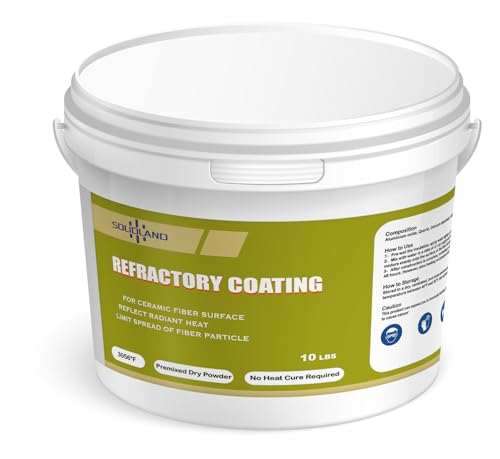
The 10 LBS variant from SOLIDLAND expands the same surface-protective and heat-reflective benefits as the 5 LBS option but provides greater coverage for larger installations or multiple components of a forge. Its rigid, protective layer aims to minimize abrasion on ceramic fiber blankets, while its heat-reflective properties help conserve energy by directing radiant heat back toward the hot face. This product is suitable for foundries, forges, kilns, and smelting furnaces, where higher quantity coatings translate to fewer reloads and faster turnaround on larger jobs.
When applying, ensure an even coat without thin spots and follow recommended cure times to achieve maximum non-porous surface benefits. The coating’s ability to resist direct flame impingement and erosion from high-velocity gases makes it a strong choice for sustained high-temperature operations where surface integrity and efficiency are priorities.
ITC-100 HT Ceramic Radiant Heat Reflection

ITC-100 HT is a notable radiant heat reflection coating designed to improve energy efficiency in forging and heat-treating furnaces. By reflecting radiant heat back toward the hot face, it can reduce fuel consumption and shorten reheat and process times. This coating is often used where precise heat management is critical, including forge work, heat treating, and tile or liner protection in high-temperature systems. The coating’s performance highlights include reduced energy use, efficient heating cycles, and protection against refractory erosion due to slags and fluxes in some setups.
Purchasers should verify compatibility with their existing refractory system and fiber substrates. Proper surface preparation and even application will influence heat reflection efficacy and long-term adhesion, so following the product’s application guidelines is essential for optimal results in forge operations.
Colloidal Silica Rigidizer
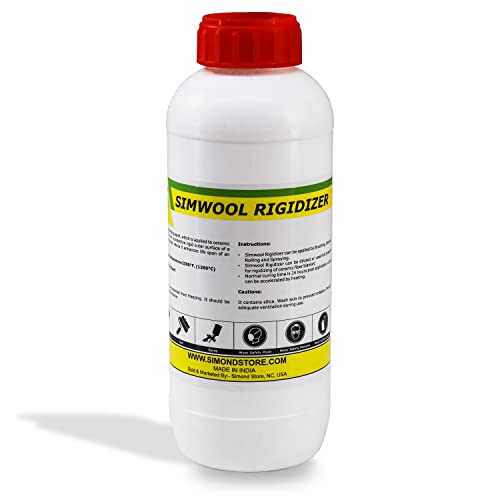
Colloidal Silica Rigidizer serves as a cohesive agent for refractory ceramic fiber products and is widely used across industrial furnace thermal technology. It delivers high temperature stability, high-temperature resistance, thermal shock resistance, and erosion performance. With a maximum acceptable exposure near 2300°F, it can be used as a bonding or coating aid, depending on the system. It is applied by spraying, rolling, dipping, or brushing, with a normal curing time around 24 hours. This rigidizer helps cement fiber assemblies together, improving structural integrity during repeated heating cycles seen in forging and foundry work.
Practical considerations include ensuring the rigidizer’s compatibility with the specific fiber materials and the intended service temperature. Applications that require robust bonding and resistance to thermal cycling will benefit from this product, particularly in larger forge retrofits or rebuilds where fiber panel integrity is a concern.
Buying Guide: Key Considerations For Refractory Coatings In Forge Operations
- Temperature rating: Match the coating’s maximum service temperature with your forge or kiln’s operating range. Higher ratings provide more headroom for peak workloads but may require careful application and curing.
- Heat reflection vs. insulation: Coatings like ITC-100 HT focus on radiant heat reflection to reduce energy usage, while cement-based coatings emphasize surface protection and erosion resistance. Assess whether your priority is energy efficiency, surface longevity, or a balance of both.
- Substrate compatibility: Ensure the coating is compatible with ceramic fiber blankets or brick linings in your system. Some coatings are designed for fiber substrates, while others can also coat brick or dense refractories.
- Application and curing: Review mixing ratios, pot life, drying times, and cure cycles. Easy-to-apply products can save time but may require multiple coats for full coverage and performance.
- Durability and erosion resistance: For high-velocity gas flows and direct flame exposure, erosion resistance is crucial. Look for seals and non-porous surfaces that resist slag and flux impacts.
- Maintenance and reapplication: Consider how often coatings need refreshing, re-coating intervals, and any precautions for removal or reapplication since forge systems experience frequent thermal cycling.
- Cost efficiency: Compare the coverage per application, expected lifespan, and potential energy savings. Higher upfront costs may pay off in reduced fuel use and longer service life.
- Safety and handling: Follow manufacturer guidelines for ventilation, mixing, and curing. Some products require protective gear and proper mixing to minimize air-bubble formation and ensure adhesion.
In forge setups, the optimal coating selection depends on whether the priority is maximizing heat efficiency, extending fiber lining life, or ensuring robust protection against erosive environments. For many users, combining a radiant heat-reflective coating (like ITC-100 HT) with a durable surface coating (such as SOLIDLAND’s cement-based options or Colloidal Silica Rigidizer) provides both energy savings and long-term fiber protection. Always follow the manufacturer’s instructions for prep, application, and curing to achieve the best results in high-temperature forge conditions.