Racing fuel cells are critical for safe, reliable fuel delivery in high-performance and competitive settings. This article highlights five leading options from well-known brands, focusing on capacity, compatibility, and installation features. Each product is reviewed with its core specs and notable design points to help builders and racers choose a fuel cell that fits their vehicle and racing class.
| Product | Brand | Capacity | Key Feature |
|---|---|---|---|
| EVIL ENERGY 15 Gallon Fuel Cell | EVIL ENERGY | 15 Gallons | Built-in 3–90 ohm level sender |
| JAZ 250-005-01 Drag Race 5-Gallon | JAZ | 5 Gallons | Drag-race design |
| RJS 3002601 Fuel Cell | RJS Racing Equipment | 12 Gallons | Sump fittings and safety foam |
| LokoCar Universal 10 Gallon | LokoCar | 10 Gallons | Anti-sloshing foam, universal fit |
| Parts-Diyer 2.5 Gallon | Parts-Diyer | 2.5 Gallons | Dual 10AN outlets, level sender |
EVIL ENERGY 15 Gallon Fuel Cell

The 15-gallon aluminum fuel cell from EVIL ENERGY features a built-in 3–90 ohm level sender and internal anti-slosh foam. Its dimensions are 19″ long, 17″ wide, and 10.03″ high, with mounting tabs sized at 3.46″ and 10AN inlet/outlet fittings. It is compatible with gasoline and diesel, but not suitable for alcohol, methanol, water, or ethanol. This design suits drag or street-legal race vehicles that require a higher capacity cell with accurate fuel level monitoring.
RJS Racing Equipment 30152 Foam (Gasoline)
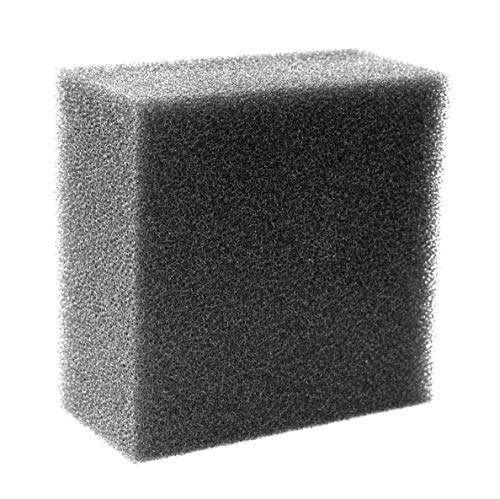
RJS Racing’s 30152 is a compact fuel cell foam option designed for gasoline applications. Its country of origin is the United States, with model specifics and a practical footprint size of 8.05″ L x 8.1″ W x 4.15″ H. This product is suited for racers seeking foam-fill protection and a cost-effective add-on to improve fuel stability in smaller cells.
JAZ Drag Race 5-Gallon Fuel Cell

The JAZ 5-gallon drag race fuel cell is designed specifically for racing use, with emphasis on lightweight construction and race-ready geometry. This cell offers a compact solution for teams needing a reliable, lower-capacity option that still delivers consistent fuel delivery under competitive throttle demands.
RJS Racing Equipment 3002601 Fuel Cell

The 3002601 model is a 12-gallon drag race fuel cell that includes sump fittings and safety foam. This configuration helps manage fuel during high-G cornering and reduces slosh, providing more stable fuel delivery for drag and track environments where fuel load and precision matter.
Parts-Diyer 2.5 Gallon Fuel Cell

The Parts-Diyer 2.5-gallon aluminum fuel cell features dual 10AN outlets and a 0-90 ohm level sender. Its dimensions are 8″ L x 8.25″ W x 10″ H, with mounting tabs measuring 6-1/2″ by 9-3/4″. Designed for durability and easy installation, this compact cell is suitable for smaller race vehicles or budget-conscious builds needing reliable fuel management and anti-slosh performance.
Buying Guide
Key purchase considerations help racers select the right fuel cell for class rules, vehicle type, and handling preferences:
- Capacity and vehicle needs: Choose based on race length and pit strategy. Higher capacity cells reduce refueling stops but add weight; smaller cells save weight for sprint formats.
- Material and build: Aluminum cells offer strength and corrosion resistance, while composites may provide lighter weight but different durability profiles.
- Level sensing and monitoring: A built-in or compatible level sender helps maintain fuel availability and prevents running dry during crucial laps.
- Fittings and ports: Ensure inlet/outlet sizes (e.g., 10AN) match your fuel system plumbing and that sump or foam options suit your fuel type and slosh concerns.
- Foam and safety features: Anti-slosh foam stabilizes fuel level and reduces surge, while foam-filled cells offer additional security for aggressive driving conditions.
- Fitment and mounting: Check dimensions and mounting tab spacing to ensure the cell fits within the chassis, with clearance for hoses and hardware.
- Fuel compatibility: Verify that the cell is compatible with gasoline or diesel as required by your class; some cells are not suitable for alcohol or methanol blends.
- Brand support and compatibility: Favor established brands with documented race configurations, sump fittings, and warranty support to minimize downtime.
- Maintenance: Consider ease of cleaning, replacement foam, and overall serviceability to maintain performance over multiple race seasons.
Racers should align product choice with their class regulations, vehicle layout, and pit strategy. Cross-check the required connections, capacity limits, and any mandated foam or venting guidelines before purchase. The five selected options above span a range of capacities, from compact 2.5-gallon cells to larger 12- and 15-gallon configurations, providing solutions for different race formats and vehicle builds.