Finding the right pump for sludge removal means balancing power, durability, and ease of setup. This guide highlights five reliable options that excel at moving water with sand, debris, and solids. Each pump is evaluated for industrial and job-site use, from construction sites to flood cleanup. Read on to compare capabilities, assess suitability for your workloads, and identify practical features such as agitators, discharge size, and portability.
Summary at a glance
| Product |
|---|
| Tsurumi HS2.4S Submersible Trash Pump |
| ALLEGRO 9404-04 Sludge Dewatering Pump |
| Suttner ST36 Sludge Pump |
| Ultimate Washer Sludge Scupper |
| Acquaer Portable Electric Utility Pump |
Use this table to quickly compare key attributes and filter by discharge size, debris handling, and motor power. For detailed product-by-product insights, scroll to the sections below.
Tsurumi HS2.4S Submersible Trash Pump

The Tsurumi HS2.4S is a compact, submersible trash pump designed for dewatering with sand, solids, and debris. It features a semi-vortex impeller and an integrated agitator to handle debris up to 0.3 inch, reducing clogging during operation. Powered by a 1/2 HP motor at 115V, it delivers steady performance in construction sites and water remediation projects. The 20-foot cord adds setup flexibility, while the angled 2-inch discharge port accepts compatible hoses and fittings, enabling efficient piping layouts in confined spaces.
Key considerations include its submersible design, which suits flooded basements or pits. For continuous pumping in muddy mixtures, expect reliable wear resistance and ease of maintenance. The agitator helps prevent heavy debris from bogging the pump, while the compact form factor supports portability on job sites with limited access.
ALLEGRO 9404-04 Sludge Dewatering Pump

The Allegro 9404-04 sludge dewatering pump is built for demanding job-site conditions. Its industrial-grade construction features a ductile cast iron casing, urethane rubber impeller, and a stainless steel shaft with a corrosion-resistant aluminum motor frame. The pump offers robust handling of muddy water and light debris, with a maximum head of about 39 feet and a flow rate up to 53 GPM. Its solid construction supports prolonged use in basements, pits, ponds, and wastewater settings.
With a design tailored for heavy-duty environments, this pump can manage solids up to about 1 inch by 3/8 inch. This makes it well-suited for flood cleanup and sediment removal where larger particulates are present. Consider the weight and handling requirements when moving the unit between sites, and verify hose compatibility with standard 2-inch discharge lines.
Suttner ST36 Sludge Pump

The Suttner ST36 sludge pump is designed for sludge and slurry handling in vehicle bays and industrial wash facilities. While the product brief emphasizes brand identity, the ST36 is positioned for similar sludge-removal tasks where reliability and compact footprint matter. It is intended to remove sludge and wastewater efficiently in settings like car washes and chemical spill cleanup. Review compatibility with discharge piping and ensure the unit’s electrical requirements fit your site’s power supply.
Key practical notes include checking for agitator options, suction hose compatibility, and maintenance intervals. In addition, confirm the pump’s ability to handle anticipated solids load and the efficiency of any offered impeller designs for your specific application. This model offers a balance of portability and sludge-handling capability for routine cleanup tasks.
Ultimate Washer Sludge Scupper
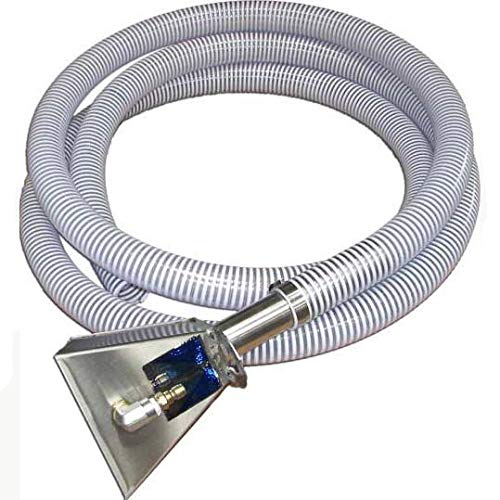
The Ultimate Washer Sludge Scupper is a simple, operable accessory that transforms a pressure washer into a trash pump. It has no moving parts, reducing maintenance concerns, and can handle debris up to 3/4 inch with a maximum power rating of 4,000 PSI and flow between 36 and 86 GPM. It includes a 1-1/2-inch heavy-walled suction hose (15 feet long), offering a quick setup for sludge extraction in puddles, ponds, and light slurry scenarios. This is an add-on solution rather than a dedicated sludge pump.
From a purchasing perspective, the Scupper is ideal when you already own a high-PSI pressure washer and need a quick sludge-removal option. It is most effective for less frequent or lighter sludge tasks rather than heavy-duty, all-day pumping. Always verify compatibility with your pressure washer’s nozzle, flow rate, and the sump or pit dimensions.
Acquaer Portable Electric Utility Water Transfer Pump
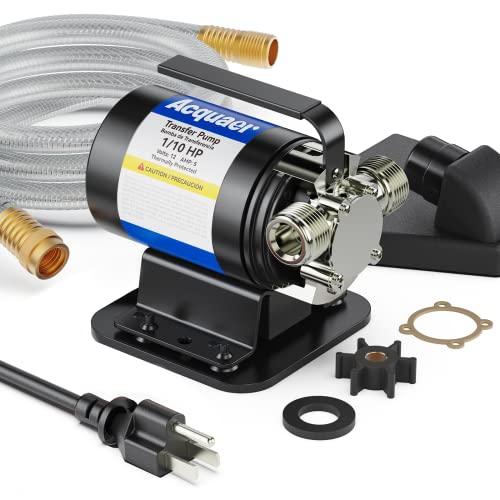
The Acquaer portable transfer pump is a versatile, compact option suitable for transferring water with minimal debris. It operates at 115V with a 1/10 HP motor, capable of moving about 264 GPH and lifting water up to 46 feet. The unit emphasizes portability, featuring a durable metal volute and an ergonomic handle for easy transport. It includes automatic thermal overload protection for safety and has broad applicability—from aquariums and rain barrels to light flood cleanup and garden watering.
For sludge cleanup, this pump is best applied to lighter sediment or as a supplementary pumping source in multi-pump setups. Check for compatibility with the suction hose and confirm whether the pump’s suction capabilities meet the specific depth and debris profile of your task. Consider pairing with a coarse basket to prevent clogging when solids are present.
Buying Guide: Key Purchase Considerations And Comparisons
- Debris handling capacity: For dense slurries, look for pumps advertised to handle solids or with agitators to reduce clogging. Submersible units with semi-vortex impellers and built-in agitators typically perform better with mud and sand than simple utility pumps.
- Discharge size and layout: A larger discharge (2″ – 3″) provides faster pumping and easier hose connection. Ensure hoses, fittings, and adapters are compatible with your existing equipment and the job site layout.
- Power and portability: Higher horsepower often translates to higher flow, but heavier units may limit portability. Weigh the trade-off between on-site mobility and pumping capacity, especially in cramped pits or basements.
- Electrical requirements: Most sludge pumps for construction use 115V circuits. Verify outlet availability and circuit protection to avoid tripping breakers during operation.
- Durability and materials: Cast iron and stainless steel components improve longevity in damp, sandy, or chemically challenging environments. Corrosion resistance helps when pumping wastewater and mixed slurries.
- Maintenance needs: Look for accessible impellers and seals, reliable motor protection, and clear guidance on parts availability. Pumps with fewer moving parts generally require less maintenance.
- Operational safety: Consider thermal protection, waterproof housings for submersible units, and secure cord management to reduce shock hazards on wet sites.
- Application fit: For basement flooding, prioritize submersible models with integrated agitators. For outdoor basins, surface pumps with robust discharge options may be preferable. Pair pumps with coarse filters or baskets to extend life in gritty sludge.
- Cost vs. durability: Compare initial purchase price against expected service life, maintenance frequency, and downtime costs. A slightly higher upfront investment can pay off with fewer dock-downs and faster cleanup.