Progressive cavity metering pumps are designed for accurate, low-shear transfer of viscous liquids, slurries, and challenging fluids. This article highlights five pumps suitable for precise dosing and steady flow, with a focus on applications ranging from chemical processing to food-grade transfers. Each product section includes key features, typical use cases, and what to consider when choosing a pump for your system.
| Product | Brand | Key Benefit |
|---|---|---|
| Moyno 50 psi Progressive Cavity Pump, 33301 | Moyno | Non-motorized, low shear |
| Seepex 180 psi MDP 003-12 | Generic | Wide RPM range, robust metering |
| Progressive Cavity Metering Pump, 827TL8 | Generic | Compact model, versatile use |
| Seepex MDPS 0015-24 | Seepex | High RPM capability, precise dosing |
| Seepex MDPS 003-12 | Seepex | Another high-capacity option, reliable |
Progressive cavity metering pumps maintain steady displacement through a rotor and elastomer stator, generating a smooth, continuous flow with minimal shear. They are well-suited for viscous liquids, slurries, and shear-sensitive fluids. When selecting a pump, consider operating RPM range, driving method, fluid compatibility, and the required pressure. The following sections review five models in detail to aid a technical decision.
Moyno 50 psi Progressive Cavity Pump, 33301

The Moyno 33301 is a pedestal-mount, non-motorized progressive cavity pump designed for dependable metering without direct drive. Its rotor-elastomer stator configuration supports viscous liquids while maintaining minimal shear, helping preserve sensitive fluids during transfer. With a maximum of 50 psi operating capability, this model is suitable for low-pressure metering tasks in laboratory or small-scale processing environments. Its non-motorized design requires a motor or drive system to achieve rotation, offering flexibility in integration with existing equipment.
Key features include:
– Non-motorized pedestal mount
– Rotor and elastomer stator for fluid transfer
– Suitable for viscous liquids with low shear
Possible applications: chemical dosing, cosmetic formulations, and emulsions where precise, gentle handling is essential. Users should evaluate drive compatibility and ensure the system can supply adequate torque for consistent flow.
Seepex 180 psi MDP 003-12
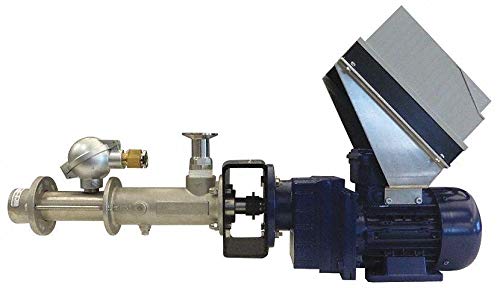
The generic Seepex MDP 003-12 delivers robust metering with an 180 psi maximum pressure and a broad RPM range. It supports precision dosing across a wide spectrum of viscosities. The model is suitable for demanding processes that require reliable metering performance under varying speeds. The “Min RPM” and “Max RPM” specification indicates flexibility for slow, stable dosing or faster transfer when needed. Material compatibility and drive configuration are important considerations for integration into existing systems.
Key features include:
– 180 psi maximum pressure
– RPM range up to 600
– Suited for precise metering tasks
Considerations: ensure compatible drive electronics and verify piping connections align with system requirements. This pump is often chosen for chemical processing and consumer product manufacturing where accuracy and repeatability matter.
Progressive Cavity Metering Pump, 827TL8

This model, identified as 827TL8, emphasizes compact design and versatility for metering applications. The listed features indicate a general-purpose progressive cavity pump suitable for a range of fluids. Its compact footprint can help in tight installations where space is constrained. In practice, performance depends on rotor-stator materials, fluid viscosity, and driving function. This pump may pair well with modular automation systems seeking precise dosing with modest flow rates.
Key considerations:
– Compact form factor
– Broad compatibility with viscous liquids
– Requires proper motor or drive integration
Ideal use cases include laboratories, pilot plants, and small-scale production lines that need reliable metering with a smaller footprint.
Seepex MDPS 0015-24

The MDPS 0015-24 from Seepex offers a strong dose-control capability for demanding metering tasks. With a maximum RPM of 1750 and a lower limit of 175 RPM, this pump supports high-precision dosing across wide flow ranges. The 180 psi rating makes it suitable for systems requiring stable pressure while maintaining gentle handling of sensitive fluids. Seepex pumps typically emphasize reliable rotor-stator assemblies and durable seals, contributing to long service life in process environments.
Key considerations:
– High RPM capability for rapid dosing
– Tight control of flow for metering accuracy
– Pressure head suitable for moderate to high-pressure transfers
Best fits include chemical processing lines, coatings, and food/pharma applications requiring consistent metering at higher speeds.
Seepex MDPS 003-12
The MDPS 003-12 model mirrors the MDPS line with similar metering capabilities and a broad RPM range, enabling precise dosing for varied fluids. Its reliability and proven rotor-stator design support continuous operation in batch processing or inline dosing scenarios. Operators should verify compatibility with motor drives, electrical requirements, and fluid compatibility to ensure consistent performance in production environments.
Key features:
– Broad RPM range (min -175, max -1750)
– Reliable metering performance
– Suitable for diverse viscous fluids
This model is a strong choice for facilities needing a high-capacity, dependable metering pump with flexible speed control.
Buying Guide
- Fluid viscosity and shear sensitivity: Choose pumps that minimize shear to protect sensitive fluids.
- Flow and pressure requirements: Match the RPM range and psi rating to the system’s dosing needs.
- Drive configuration: Non-motorized pumps require compatible motors or drivers; ensure electrical and mechanical interfaces fit your setup.
- Material compatibility: Check rotor-stator materials against fluid chemistry and temperature to avoid corrosion or degradation.
- Installation space: Consider footprint and mounting options; some models offer compact designs for tight spaces.
- Maintenance and serviceability: Look for parts availability, seal replacement intervals, and support from the supplier.
- Applications and regulatory needs: For food, pharma, or cosmetics, ensure materials and seals meet relevant standards.
- System integration: Verify compatibility with existing control systems, sensors, and automation hardware.
When selecting a progressive cavity metering pump, balance performance with reliability, drive compatibility, and total cost of ownership. The models reviewed here offer diverse capacities and form factors to fit laboratories, small-scale production, and larger process lines while maintaining accurate dosing and gentle fluid handling.