Choosing the right combustion analyzer is essential for diagnosing oil burner performance, ensuring safety, and optimizing efficiency. The following selections focus on reliable models commonly used by HVAC professionals to measure flue gas composition, oxygen, temperature, pressure, and related parameters. Each product below includes core features, typical applications, and how it fits into an oil burner maintenance workflow.
| Product | Brand | Key Use | Typical Strength |
|---|---|---|---|
| Fieldpiece SOX3 Combustion Check | Fieldpiece | Flue gas, O2, CO2, EA percentages | Automatic pump; portable for field use |
| testo 310 II Combustion Analyzer | Testo | Temperature, flue gas, O2, draft, CO ranges | Smart app compatibility; precise sensors |
| testo 310 II Combustion Analyzer HVAC Set with Printer | Testo | All-in-one kit with documentation | Integrated printing for records |
| testo 300 Combustion Analyzer HVAC Kit | Testo | CO, O2, temperature, draft, differential pressure | Durable sensors; magnet-assisted operation |
| Combustion Analyzer, Residential, LCD | UEi Test Instruments | Residential combustion testing; LCD display | Compact and straightforward |
Fieldpiece SOX3 Combustion Check
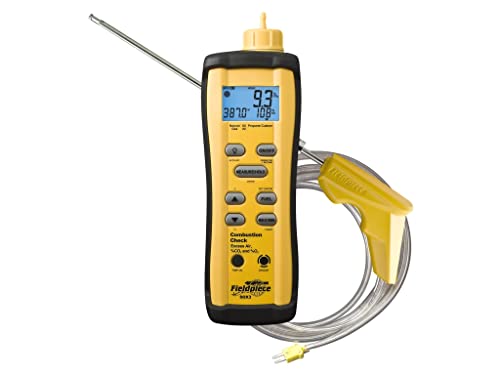
The Fieldpiece SOX3 Combustion Check is designed for quick on-site verification of oil burner performance. It features an automatic electric pump with pause functionality, eliminating the need for hand pumping and conserving battery life when idle. The device measures flue gas temperature and oxygen percentage, then calculates carbon dioxide (CO2) and EA percentage, enabling technicians to assess combustion efficiency and adjust settings accordingly. Its compact form and automated operation make it suitable for service calls, maintenance checks, and routine tune-ups where a reliable, fast read on combustion byproducts is essential.
Operational notes: The SOX3 supports continuous sampling with a power-saving pause option, helping teams manage field time and battery usage. While it provides key measurements for oil burner analysis, users may pair it with other instruments for a broader set of parameters depending on job requirements. The instrument’s field-ready design is geared toward HVAC professionals who need a straightforward tool that yields actionable data without extensive setup.
testo 310 II Combustion Analyzer HVAC
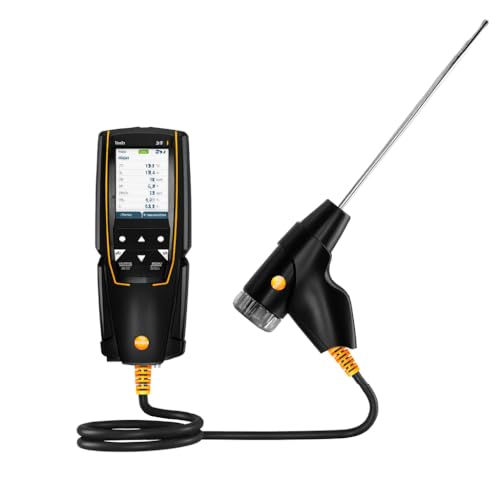
The testo 310 II is a versatile combustion analyzer designed for accurate measurements across flue gas and temperature ranges. It supports simultaneous measurements of multiple parameters, including O2, draft, CO, and efficiency, making it suitable for oil-fired systems and complex exhaust analyses. The analyzer is noted for its sensitive sensors and reliable accuracy, enabling technicians to verify combustion efficiency, detect leaks, and assess system safety. The device integrates with a smart app ecosystem for streamlined data access and reporting, which helps maintain compliance and keep records for service history.
Ideal usage scenarios include diagnosing high-CO risks, recalibrating burners for better fuel savings, and performing periodic safety checks. The tester’s robust sensor suite supports a wide operating range, making it a staple for service technicians who manage a mix of residential and small commercial oil burners. While it excels at gas analysis, it is also valued for general combustion monitoring, making it a flexible core instrument in many toolkits.
testo 310 II Combustion Analyzer HVAC Set with Printer

This Testo 310 II set includes the same high-precision analyzer with an integrated printer, facilitating on-site documentation of combustion test results. The combination of accurate sensors and a portable printing solution supports compliance reporting and customer handoffs, especially in service environments where detailed test records are required. The set helps technicians capture measurements such as flue gas composition, differential pressure, and ambient CO, making it easier to demonstrate efficiency improvements and safety compliance to clients. Its design emphasizes quick setup and dependable performance in both residential and light commercial settings.
From a workflow perspective, the printer-enabled package helps generate professional-ready reports immediately after testing. This can reduce follow-up visits and simplify client communication. The core measurement capabilities remain aligned with the standard testo 310 II, offering consistency across single-unit and kit configurations.
testo 300 Combustion Analyzer HVAC Kit
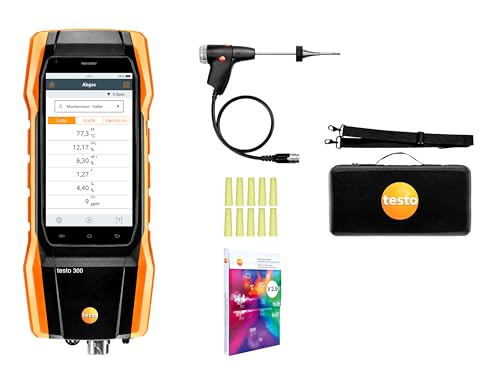
The testo 300 HVAC Kit is designed for residential and small commercial applications, focusing on reliable measurements of CO, O2, temperature, draft, and differential pressure. The kit emphasizes durability and long sensor life, with highly sensitive CO and O2 sensors that extend service longevity and provide accurate readings across ranges up to thousands of ppm. Ease of use is highlighted by straightforward standby-to-measurement transitions and magnetic back mounting for hands-free operation during testing. This makes it well-suited for field technicians performing regular tune-ups and safety checks on oil-fired equipment.
For oil burner scenarios, the testo 300 kit supports quick verification of combustion efficiency and leak potential, helping technicians identify improper combustion, high CO risks, and inefficient fuel use. Its magnet-assisted design and strong back support allow convenient operation in tight spaces near burners and piping. The kit is a practical choice for professionals who require a dependable, all-in-one instrument with field-ready features and robust sensor performance.
Combustion Analyzer, Residential, LCD

UEi’s Combustion Analyzer with residential LCD provides a compact option for basic oil burner combustion testing. The device covers essential measurements likely including CO, O2, and related indicators, presented on a readable LCD display. It is positioned as a cost-effective entry point for technicians who require a straightforward instrument for routine maintenance and compliance checks in residential settings. The analyzer’s compact build and user-friendly interface support fast diagnostics and simple data capture for service records.
While the UEi unit may not match the depth of multi-parameter models, it serves as a reliable supplemental tool within a larger toolkit. It is especially suitable for smaller jobs or as a secondary device when quick checkups are needed alongside more advanced equipment.
Buying Guide: Key Purchase Considerations for Oil Burner Combustion Analyzers
- Measurement scope: Identify which parameters are essential for your typical jobs—O2, CO, CO2, temperature, flue gas draft, differential pressure, and efficiency. Some models emphasize single-parameter readings, while others provide a full suite for comprehensive analysis.
- Sensor quality and longevity: Look for sensors with proven accuracy and long life. Higher-end sensors reduce calibration frequency and maintenance costs over time, especially for frequent field use.
- Data handling: Consider whether you need on-device data logging, Bluetooth/app connectivity, or integrated printing. On-site reports can improve client communication and compliance documentation.
- Ease of use: Features like automatic pumps, magnets, or hands-free operation enhance efficiency on a busy job site. A clear display and intuitive menus save time during tests.
- Durability and form factor: Field equipment should tolerate job-site conditions, including vibration, dust, and temperature variations. A compact, rugged design helps with portability and storage.
- Compatibility with oil burner systems: Ensure the analyzer supports typical residential and light commercial oil-fired equipment, including compatibility with common flue gas configurations and burner types.
- Warranty and support: Check manufacturer warranties and the availability of service and calibration options. Strong technical support can reduce downtime when issues arise.
- Cost of ownership: Consider not just the purchase price but also consumables, calibration, and potential add-ons (probes, accessories, or printers) that may be needed over time.
- Regulatory alignment: If your work requires formal reporting, ensure the device can produce compliant documentation and meets applicable standards for safety testing and energy-efficiency programs.