Choosing a reliable multi gas detector is critical for confined-space work, where detecting H2S, CO, LEL, and O2 levels can prevent accidents and save lives. This guide highlights five top-rated devices, outlining their core features, sensor reliability, battery life, and data capabilities. Each option is evaluated for rugged design, alarms, and ease of use, helping safety professionals pick the right monitor for demanding environments.
| Product | Key Gases Monitored | Alarm System | Battery Life |
|---|---|---|---|
| TopTes Guard-101 | H2S, CO, LEL, O2 | LED, vibration, audible; alarm record | Up to 14 hours |
| TopTes Guard-863Pro | H2S, CO, LEL, O2 | Triple alarm (sound, light, vibration) | Up to 18 hours |
| Forensics FD 4 Gas Monitor + Pump | O2, CO, H2S, LEL | Adjustable audio, visual, vibration; data logging | Not specified |
| Forensics FD 4 Gas Monitor (Non-pump) | O2, CO, H2S, LEL | Color display; data logging | Not specified |
| BW XT-XWHM-Y-NA XT II | H2S, O2, CO, LEL | Audible, visual, vibration alarms | Not specified |
Below, each device is explored with its strengths, ideal usage scenarios, and what sets it apart for confined-space monitoring. The selections emphasize trusted sensors, fast response, durable construction, and data handling that supports compliance and incident analysis.
TopTes Guard-101 Gas Detector
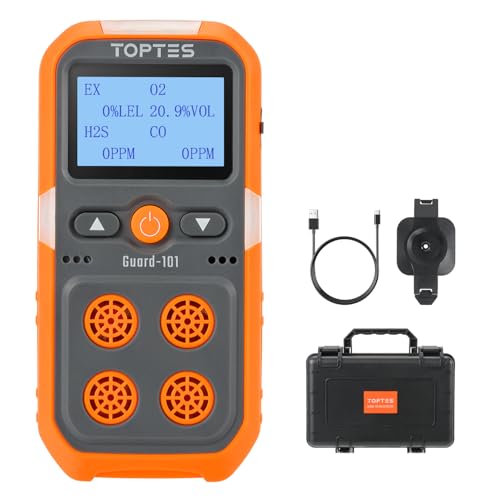
The Guard-101 is a compact four-gas monitor designed for rapid detection of H2S, CO, LEL, and O2. Its 14-hour battery life supports extended shifts without frequent recharging. Constructed from high-strength ABS engineering plastic, the device is designed to resist water, dust, and explosion hazards, making it suitable for harsh confined-space environments. A back clip provides hands-free carrying and a password-protected startup helps prevent accidental use. Alarm modes combine LED indicators, vibration, and audible alerts, ensuring visibility and audibility in noisy or poorly lit workspaces. The device also records alarm events for later review.
Who benefits: teams needing a rugged, affordable single-unit monitor with triple alerts and data storage for compliance and traceability. The screen is not highlighted in the description, but the emphasis on fast 0.5-second responses and persistent alarms supports rapid decision-making during inspections and entry.
TopTes Guard-863Pro 4 Gas Monitor

The Guard-863Pro advances with a TFT color screen for real-time gas readings and trend data, enhancing visibility in dim work zones. It offers an upgraded oxygen sensor with a five-year lifespan, reducing sensor maintenance and replacement downtime. Data export capabilities allow professionals to compile calibration records, alarm histories, and operation logs for audit trails. A continuous triple alarm system—sound, light, and vibration—ensures immediate notification until readings return to safe levels.
Ideal for: teams that require precise data visualization, longer sensor life, and straightforward digital record-keeping for regulatory compliance and incident analysis in complex confined spaces.
Forensics Detectors FD 4 Gas Monitor + Pump

This model combines a four-gas sensor suite with a built-in pump and a 100% USA QA and calibration framework. It monitors O2, CO, H2S, and LEL with alarm levels and a logging function. An included calibration certificate and a password-protected interface emphasize reliability and traceable safety data, which are critical in regulated environments. The pump version enables faster sample collection in hard-to-reach spaces, a distinct advantage for rescue planning and atmospheric assessments.
Use case: best suited for confined spaces with limited diffusion where rapid sampling is essential, and where a documented QA trail is required for safety compliance audits.
Forensics Detectors FD 4 Gas Monitor (Non-Pump)
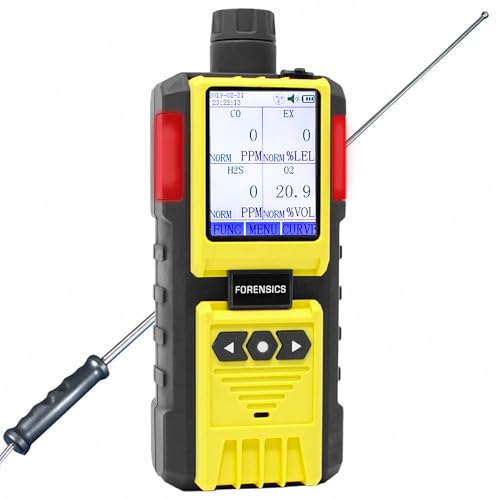
Another model from Forensics Detectors focuses on a color display and graphing capabilities, with USA NIST calibration and computer data logging. This monitor supports O2, CO, H2S, and LEL, with a built-in emphasis on data visualization and historical trending. It is appropriate for workplaces that prioritize easy interpretation of gas trends and the ability to archive substantial alarm and operational data for compliance reporting and post-incident analysis.
BW Technologies XT-XWHM-Y-NA XT II
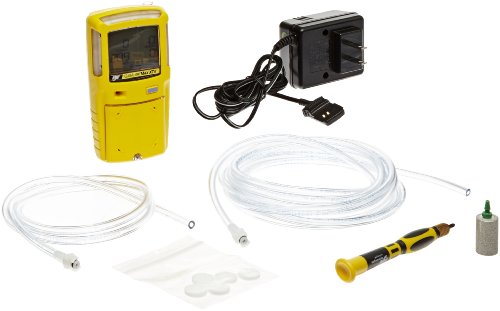
The XT-II is a long-standing choice for field workers needing four-gas monitoring with a pump option. It features sensors for H2S, CO, O2, and LEL and supports audible, visual, and vibration alarms. The model is designed for robust performance in industrial environments and is frequently selected for jobs requiring constant monitoring in confined spaces, with a focus on dependable sensor response and user-friendly alerting.
Forsensal 4 Gas Detector With Pump

This model emphasizes a handheld and portable design with a built-in pump and a large LCD display. It monitors CO, O2, H2S, and LEL, with a rechargeable 3000mAh battery and a calibration certificate included. The device supports a password-protected start and offers the capacity to log and review gas curves and alarm events, aiding safety managers in documenting continuous monitoring and post-work analyses. The pump capability makes it especially suitable for areas with stagnant air or where probe placement is critical.
Buying Guide: Key Purchase Considerations
When selecting a multi gas detector for confined spaces, consider sensor technology, response time, and oxygen measurement accuracy. Electrochemical sensors are common for CO, H2S, and O2, while LEL sensors commonly rely on catalytic bead or infrared technology. Quick response times (0.5 seconds or better) minimize exposure risk, and triple alarms (sound, light, vibration) improve alert reliability in noisy environments. Waterproof, dustproof, and explosion-proof housings extend device life in harsh sites.
Battery life is crucial for long shifts; models offering 12–18 hours reduce mid-shift recharges. Some devices provide a pump option, which improves gas sampling in stagnant air or complex geometries, though pumps add weight. Data handling—alarm logs, calibration records, and computer data logging—helps with regulatory compliance and incident investigations. Finally, consider sensor lifespan, especially the O2 sensor, as longer-lasting sensors reduce maintenance and downtime.
Comparative Perspectives
Ruggedness vs. feature set: Basic models offer essential four-gas detection with reliable alarms at a lower price point, while higher-end units provide color displays, data export, and longer sensor life. Pumped units excel in confined spaces with poor natural ventilation, but weigh more and consume more power. Data logging is valuable for audits, but requires compatible software and proper data handling practices. For teams needing quick deployment, a compact unit with triple alarms and durable housing can be sufficient; for safety-sensitive operations with strict documentation, a model with a TFT display and USB export is advantageous.
In choosing, align the detector’s capabilities with the site’s typical risks, ventilation conditions, and the required level of regulatory compliance. Test and calibrate devices regularly, train operators on alarm recognition, and maintain a clear procedure for entry and rescue to maximize safety in confined spaces.