Selecting the right mold release is essential when working with fiberglass, resin, and composite parts. This guide highlights top releases that minimize sticking, protect mold surfaces, and simplify post-cure cleanup. The following products are well-suited for fiberglass projects, offering reliable performance across resins, rubbers, and silicones. A quick product summary is provided below to help you compare at a glance.
| Product | Brand | Type |
|---|---|---|
| PARTALL Paste #2 Mold Release Wax | Fiberglass Supply Depot | |
| PVA PARTALL #10 Liquid Easy Casting Mold Release | FGCI | |
| Mitreapel Silicone Mold Release Spray | Mitreapel | |
| Smooth-On Universal Mold Release | Smooth-On | |
| Ease Release 200 Mold Release | Mann Release Technologies |
Each option offers varying benefits, from wax-based protection to silicone-rich coatings and film-forming releases. The selection below focuses on reliability, ease of application, and compatibility with common fiberglass resins and casting materials.
PARTALL Paste #2 Mold Release Wax

PARTALL Paste #2 is a versatile, economical wax designed for thermoset resins used in fiberglass, cast polymer, and composite parts. This paste wax can be applied as a light edge wax on larger molds or to seal rough wooden molds or plugs. It blends hydrocarbon and microcrystalline waxes to provide a smooth, reliable release at ambient cure temperatures, reducing sticking and prep time in fiberglass projects.
PVA PARTALL #10 Liquid Easy Casting Mold Release

This 1-gallon liquid release provides straightforward application via spray, roll, sponge, or brush. It adheres where you apply it, resists shrinking and staining, and yields a glossy, smooth mold release. The formula is designed for ease of use with silicone and resin castings, helping fiberglass projects achieve clean part surfaces with minimal residue and cleanup.
Mitreapel Silicone Mold Release Spray

Mitreapel’s silicone-rich spray is designed for silicone and rubber molds, offering easy release and low-sticking performance. The formulation aims to leave molds intact for repeated use, making it suitable for fiberglass projects that rely on silicone molds or parts with high-detail features. The high silicone content supports clean demolding across a variety of resins.
Smooth-On Universal Mold Release

Formulated for mold making and casting, Smooth-On Universal Mold Release works with many liquids used in fiberglass and composite applications. It releases from a broad range of materials, including polyurethanes, silicones, and resins, when models are properly prepared. Some porous substrates may require sealing before applying releases for optimal results.
Ease Release 200 Mold Release
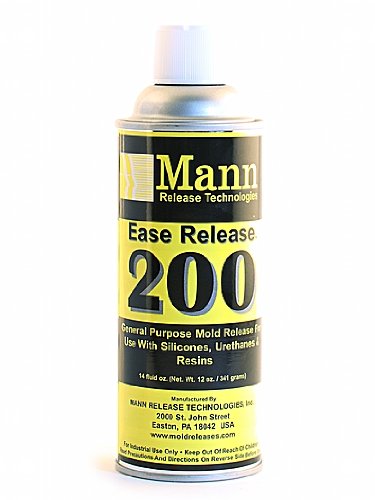
Ease Release 200 is a clear aerosol designed to release polyurethane elastomers, epoxy, polyester resins, RTV silicones, rubber, and thermoplastics. It provides reliable release across a variety of molding materials and is noted for its compatibility with urethanes, silicones, and metals commonly used in fiberglass tooling and production molds.
Buying Guide
- Resin compatibility: Choose a release that matches your primary fiberglass resin (epoxy, polyester, or vinyl ester). Wax-based releases work well with some epoxies, while silicone or film-forming releases may provide better protection for silicone molds and detailed surfaces.
- Application method: Consider how you apply the release. Sprays offer quick coverage; wax pastes tend to require more hand work but can provide extended protection in some setups; liquid releases offer convenient brushing or rolling for large molds.
- Mold material and texture: Porous substrates (wood, plaster) may require sealing or specialized releases to prevent staining or incomplete release. For highly detailed molds, a low-sticking option with film-forming properties often performs best.
- Reusability and cleanup: Some silicone-based sprays and film releases allow repeated demolding with minimal buildup. Others may require dedicated cleaners or detergents to remove residues between cycles.
- Maintenance and safety: Check ventilation requirements and compatibility with mold surfaces you routinely use. Some products may leave residues needing light scuffing or solvent cleaning after demolding.
- Cost and coverage: Consider the total area you need to coat and the product’s coverage rate. For larger fiberglass runs, liquids or films with high coverage per gallon can reduce application time and cost.
- Surface finish goals: If you aim for a glossy surface on your fiberglass parts, a high-quality release with low cure interference can help preserve surface details and minimize sanding steps.
When selecting a mold release for fiberglass, balance ease of use, surface quality, and mold longevity. If your workflow involves silicone molds or repeated cycles, prioritize silicone-rich or film-forming releases. For quick setups and general casting, wax-based or spray releases provide reliable performance with straightforward cleanup. Always test a small area to confirm mold compatibility before full production runs.