Metal marking combines speed, durability, and accuracy for a range of industrial and craft applications. This guide highlights five leading marking machines suitable for steel, aluminum, and other metals, detailing how they perform, what sets them apart, and what to consider when choosing a system for your shop. Whether you need dot peen, electro-etch, or laser marking, these options cover common industrial needs and DIY projects alike.
| Product | Brand | Key Feature |
|---|---|---|
| 400W Electric Metal Marking Machine Steel Plate Engraving | DNYSYSJ | Air-free electric marking; adjustable depth/speed |
| Electric Metal Marking Machine, 400W 110V | ARPITUYN | High striking force; strong gantry stability |
| Longer RAY5 High Accuracy Cutting and Engraving | Longer | 10W laser, 3.5″ touch screen, safety features |
| Electric Metal Marking Machine, 400W 200x150MM | SBPKMARSCT | 32-bit DSP, fast marking, safety guard |
| Dfmyhked 400W Electric Metal Marking Machine | Dfmyhked | Low noise, DSP precision, cross-platform software |
DNYSYSJ 400W Electric Metal Marking Machine

The DNYSYSJ marking system uses an electric marking method that does not require an air compressor, simplifying setup on smaller shops or field work. It supports rectangular, sector, and round signs, with adjustable marking depth, range, and speed to suit metal nameplates, tags, and signs. The built-in WINOWS software provides editing capabilities that are designed to be learnable for new users, supporting straightforward project creation and modification.
ARPITUYN Electric Metal Marking Machine
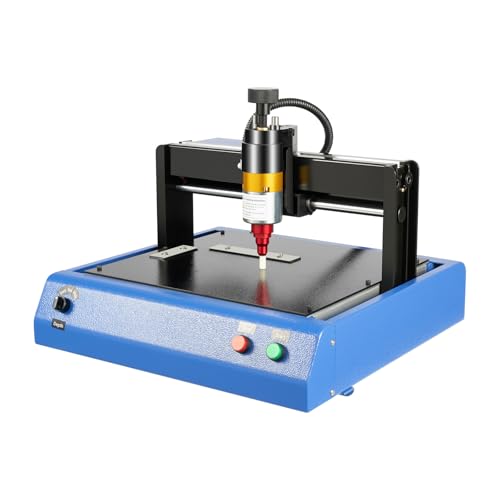
ARPITUYN’s 400W electric marker emphasizes a no-pneumatic setup with a stable power supply for consistent results. The device offers a marking area around 7.9 by 5.9 inches with a fast operating speed and a high-frequency pulse system designed to boost marking efficiency. The gantry structure improves rigidity for large-scale work, reducing vibration and ensuring precise, repeatable results across multiple parts.
Longer RAY5 High Accuracy Laser Engraver

This model introduces a 10W laser engraver with a 3.5″ touchscreen and multi-machine control. Its dual-beam technology supports high-speed engraving, suitable for metal and wood, with a spot size of 0.06 by 0.06 mm for intricate details. A built-in safety system and a shaking-detection program provide automatic shutdown in abnormal conditions, supporting safer operation in busy workshops.
SBPKMARSCT Electric Metal Marking Machine (200x150MM)

Equipped with a robust aluminum alloy frame and a 32-bit DSP-driven control system, this model emphasizes fast marking at about 2 inches per second. The device’s safety guard and upgraded electromagnetic needle controller contribute to stable pulses and reduced combustion risks, making it suitable for frequent production marking on metal parts and labels.
SBPKMARSCT Electric Metal Marking Machine (610x?)

This variant extends the same reliable materials and DSP-based speed, with a strong emphasis on longevity and accuracy. The third-generation electromagnetic needle controller contributes to consistent pulses, lowering the risk of combustion while keeping high-quality marks across metals like steel and aluminum.
Dfmyhked 400W Electric Metal Marking Machine
Dfmyhked emphasizes industrial-grade marking with a 2-inch-per-second speed, a cross-platform X9 software suite supporting Windows XP through Windows 10. The machine offers adjustable depth and speed controls, enabling precise marking on varying thickness metals without requiring an air compressor. Gantry stabilization helps minimize displacement and vibration during large or dense parts marking.
Buying Guide: Key Considerations for Metal Marking Systems
- Marking Method: Choose between dot peen, electro-etch, and laser marking. Dot peen and electro-etch provide permanent marks on metal surfaces without consumables; laser offers high-detail, permanent marks on a wide range of metals and plastics, with safety considerations for laser exposure.
- Power and Speed: Higher wattage (e.g., 400W) is typically suited to steel and hard metals, enabling faster throughput. Consider marking speed (in/s or mm/s) and the ability to adjust depth for different material densities.
- Software and Compatibility: Check whether the machine ships with user-friendly editing software and supports common file formats. Cross-platform compatibility (Windows XP to Windows 11) and easy updates can save downtime.
- Mechanical Stability: A rigid gantry and vibration control improve accuracy, especially for larger parts. Look for robust frame materials (aluminum alloy, steel) and a proven stabilization mechanism.
- Safety Features: If using laser systems, ensure protective covers, interlocks, safety goggles, and automatic shutdown on anomalies are present. For dense or high-speed dot peen systems, an enclosed design may reduce debris escape and noise.
- Maintenance and Lifespan: Consider the durability of components such as electromagnetic coils, drive boards, and cooling requirements. Look for components rated for industrial use with replaceable parts and service support.
- Cost of Ownership: Include potential consumables, maintenance, software upgrades, and warranty terms. A higher upfront investment may be offset by faster production and longer machine life.
Additional Perspectives: When to Choose Which Approach
- For small shops or hobbyists: Electric marking machines that do not require air compressors simplify setup and reduce maintenance. Look for compact footprints and straightforward software.
- For high-volume production: Machines with fast marking speeds, robust DSP control, and rigid gantry systems provide repeatable results and lower per-unit labor costs.
- For precision artwork and small parts: Laser marking systems (like the Longer RAY5) offer fine detail and a broad material range, but require safety precautions and proper ventilation when used indoors.
- For budget-conscious projects: Solid-performing dot peen or electro-chemical options can deliver durable marks at a lower initial cost, especially when marking larger items or nameplates.
All models listed provide metal engraving or marking capabilities suitable for nameplates, signs, tags, and components. When selecting a system, assess your typical part size, required mark depth, material variety, and the level of automation you need to keep production efficient. This selection balances performance with practical considerations to help you identify a suitable metal marking solution for your workflows.