Maintaining a quiet, comfortable engine room at sea is essential for crew comfort and equipment longevity. The best marine soundproofing solutions combine heat resistance, water exposure tolerance, and durable adhesive performance. This guide highlights five top products designed to reduce engine noise, minimize vibration, and manage heat without compromising access to critical components. Each selection prioritizes marine-relevant durability, ease of installation, and compatibility with engine compartments.
| Product | Brand | Key Benefit |
|---|---|---|
| SOOMJ 20mm Thick Self-Adhesive | SOOMJ | Excellent general noise insulation with heat shielding and water resistance |
| Fourub 590Mil Sound Deadening Mat | FOURUB | Thick, heat-resistant mat with strong adhesion for engine compartments |
| Audiosoul 52 Pack Acoustic Panels | audiosoul | High-density foam for echo reduction in larger spaces |
| AggSound 157Mil Car Sound Deadening Mat | AggSound | Multi-layer foam with excellent heat and noise insulation |
| CUKWUYBY 80 Mil Sound Deadening Mat | CUKWUYBY | 3-layer construction for strong vibration and heat management |
SOOMJ 20mm Thick Self-Adhesive Sound Proof Padding

SOOMJ’s wave sound deadener is designed to resist water absorption and odors, offering a lightweight yet effective noise barrier for engine rooms. The material is oil and petrol resistant, making it suitable for harsh marine environments. Features highlight its heat-insulating properties, enabling better interior temperature control in hot climates. Its versatility covers multiple locations, including hood liners and firewall areas, with straightforward backing for quick installation in confined spaces.
The product supports reducing engine noise and heat transfer, contributing to a calmer engine room atmosphere. It is appropriate for installations on hull interiors, cabins near engines, and other high-noise zones. Easy-to-deploy sheets and a flexible design help sailors and installers tailor coverage to curved surfaces and complex layouts common in boats.
Application tips: prepare clean surfaces, press firmly to ensure adhesive bonding, and cover critical panels including firewall and cockpit walls for maximum impact. While the padding excels at heat shielding, pairing it with other insulation layers can further improve sound attenuation in larger engine rooms.
Fourub 590Mil (15mm) Sound Deadening Mat

Fourub offers a 15mm thick engine sound insulation mat with a self-adhesive backing that’s water resistant and flame retardant. It’s designed to cut engine noise and reduce heat transfer to cab floors, supporting a quieter cockpit and living area onboard. The product is marketed as heat-resistant, helping maintain hood cooling and comfort across seasons, while the thicker profile boosts overall insulation performance.
Ideal for reducing in-cabin rumble and equipment vibration in engine rooms, the mat’s thermal properties also help balance cabin temperatures. Installers should apply to hood liners, firewalls, and near exhaust components where heat tends to accumulate. Its durability supports longer voyages and exposure to marine conditions when properly sealed and vented.
Practical note: ensure full coverage of hot surfaces and test panel adhesion on curved surfaces typical of engine compartments. For best results, pair with additional reflective or absorptive layers in high-heat zones to optimize sound suppression.
Audiosoul 52 Pack Acoustic Panels
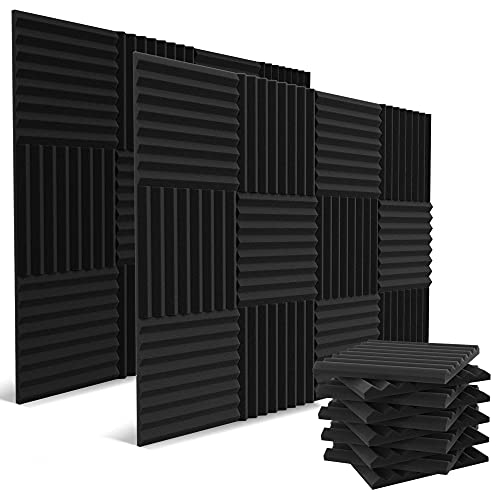
Audiosoul’s 52-pack features high-density acoustic foam wedges designed to reduce reflections and echoes in larger spaces. While not a primary soundproofing layer against external noise, these panels excel at absorbing interior reverberations around engine room work areas, control rooms, or adjacent compartments. They help clarify communication and improve monitoring by dampening ambient noise within the yacht’s interior mapping near engine zones.
These panels are flexible enough to fit on walls, ceilings, and overhead panels. They are designed to create a more comfortable working environment for crew members during maintenance and operation. For marine applications, position them in areas where sound reflections are strongest to achieve the greatest improvement in perceived quietness.
Installation considerations: ensure surfaces are clean and smooth; cut panels to fit corners and around equipment supports; use compatible adhesive and avoid covering air vents to preserve airflow and cooling.
AggSound 157 Mil Car Sound Deadening Mat

AggSound presents a multi-layer 157 mil (approximately 4 mm) closed-cell foam-based sound deadening mat designed for car use but highly adaptable to marine engine rooms. Its closed-cell structure offers strong vibration dampening and heat insulation, helping to reduce noise transmission and heat flow toward living spaces. The adhesive layer and durable backing provide reliable bonding over uneven surfaces commonly found in engine compartments.
Key advantages include reduced engine noise, enhanced ride comfort for passengers and crew, and improved thermal control around hot engine blocks. It is suitable for hood insulation, firewall dampening, and floor panels near batteries and generators. The mat’s thickness enhances its effectiveness on irregular surfaces, making it a strong general-purpose option for marine applications when properly sealed against moisture.
Application guidance: apply to flat and contoured areas by trimming as needed; press firmly during installation; consider sealing edges with marine-grade tape to prevent moisture ingress at joints.
CUKWUYBY 80 Mil Car Sound Deadening Mat

CUKWUYBY offers an 80 mil (2 mm) 3-layer car sound deadening mat designed to block noise and dampen vibrations with a butyl core and foil layer for heat reflection. The robust adhesive backing supports permanent bonding even in damp marine environments. It covers large areas—36 square feet—great for doors, trunks, and engine compartments where heat and vibration are pronounced.
What makes this option suitable for engine rooms is its combination of vibration dampening and thermal resistance. It provides a barrier against road-like noise and engine rumble, while reflecting heat away from critical electronics. The material is user-friendly for DIY installations and can be trimmed to fit curved engine bay shapes typically found on boats.
Pro tips: begin with large panels on flat surfaces, then fill in gaps with smaller pieces; ensure clean, dry surfaces for maximum adhesion; seal edges to maintain moisture resistance in marine settings.
Buying Guide: Key Considerations for Marine Engine Room Soundproofing
- Noise reduction vs. insulation balance: Some products primarily absorb sound (like acoustic foam), while others primarily block sound and dampen vibrations (butyl mats). In engine rooms, a combination often yields the best results.
- Heat resistance: Engine compartments generate heat; choose materials with high heat tolerance to prevent degradation and odors from overheating.
- Moisture and salt exposure: Marine environments demand water resistance and corrosion protection. Look for closed-cell foams and foil-backed layers that resist moisture and salt spray.
- Adhesive durability: Self-adhesive backing saves time, but ensure marine-grade adhesives that retain bond in humidity and temperature changes.
- Application surface: Engine rooms include curved surfaces, firewall areas, and tight spaces. Flexible, cut-to-fit materials simplify installation.
- Layering strategy: Consider a multi-layer approach—an inner barrier to dampen vibrations, a reflective heat shield, and a final absorptive layer to tame echoes in adjacent compartments.
- Maintenance implications: Materials should be inspectable and removable if engine access requires frequent maintenance. Choose non-corrosive fasteners and compatible sealants.
- Crew safety and comfort: Reducing engine noise improves communication and reduces fatigue, contributing to safer operations on deck and in maintenance areas.
In selecting the best marine engine room soundproofing, weigh the marine-specific properties of each option: water resistance, heat shielding, ease of installation in confined spaces, and compatibility with existing hull and engine compartment materials. A layered approach often offers the most durable performance in the variable conditions encountered at sea.