Professional and enthusiast filmmakers rely on jib cranes to achieve sweeping, dynamic camera movements with ease. The right jib can deliver smooth vertical and horizontal motion, precise tilt control, and sturdy support for a variety of cameras and setups. Below is a curated list of five top options that balance rigidity, load capacity, and ease of use. The quick-reference table highlights key attributes to help you compare at a glance.
| Product | Brand | Max Load | ||
|---|---|---|---|---|
| IFOOTAGE Mini Crane M1 III | IFOOTAGE | 33 lbs | 85 inches | Carbon fiber; low-profile adapters |
| PROAIM Wave-2 10′ | PROAIM | 55 lbs | 10 ft | High load; 360° pan |
| ProAm USA DVC210 Orion | ProAm USA | 8-12 lbs (typical mid-size) | 8 ft | Lightweight, tilt-focused |
| ProAm USA DVC200 Orion | ProAm USA | 8 ft reach | 8 ft | Single rail for easy setup |
| PROAIM Wave-2 7′ | PROAIM | 55 lbs | 7 ft | Travel-friendly, versatile heads |
This guide presents five strong choices, based on build quality, load capacity, and versatility for camera rigs ranging from compact DSLRs to mid-size cinema setups. Each entry includes a quick overview, essential strengths, and how it fits typical shooting scenarios—whether you crave long-reach cinematic sweeps, quick setup on location, or precise tilt motion for interview rigs.
IFOOTAGE 85 Inches Carbon Fiber Jib Crane M1 III

The IFOOTAGE M1 III is a compact yet robust mini crane designed for stable mid-to-long reach shots. It uses a square tube construction from a 20-layer carbon fiber blend to optimize rigidity and minimize vibration, supporting up to 33 pounds. A notable feature is the extendable reach up to 85 inches, allowing both low-angle and high-angle perspectives with controlled tilt. The system includes a water bag for counterweight versatility and offers a low-profile quick-release adapter and ball head bowl to facilitate low-angle or inverted mounting, expanding creative options for vertical and horizontal moves. Tilt range and focus changes provide a broad range of motion suitable for dynamic product shoots or documentary work.
With its focus-oriented tilt capability, photographers can execute smooth vertical and horizontal movements without compromising balance. The combination of long reach and stable carbon fiber construction makes this a practical choice for handheld-style enhancements on projects where space is constrained or when a discreet setup is preferred. While it supports a moderate load, it excels in scenes requiring extended, fluid sweeps and precise tilt control.
PROAIM Wave-2 Jib Crane 10′

The PROAIM Wave-2 Jib Crane stands out with a generous 10-foot reach and a professional-grade build designed for dynamic camera movements. Its robust construction supports professional setups up to 25 kg (55 lb), enabling a wide range of cameras and gimbals. The tilt handle provides intuitive vertical angle control, while the 360-degree pan capability offers complete rotational freedom for capturing sweeping background movements or dramatic reveals. This model emphasizes smooth motion control and stability, making it well-suited for narrative shoots, live events, and studio productions requiring long, fluid camera rises and pans.
Assembly is straightforward, and the design prioritizes ergonomic operation and reliable balance. A strong option for crews needing a longer swing without sacrificing precision. While heavier than smaller options, its stability and range can justify the added setup time on location or in controlled environments.
ProAm USA DVC210 Orion DSLR Camera Jib Crane Tilt

The ProAm USA DVC210 Orion focuses on delivering solid mid-sized crane performance with a practical tilt option. It is presented as a top choice for users seeking a balance of price, features, and build quality in a mid-sized crane platform. The aircraft-aluminum construction provides strength with a manageable weight, supporting a range of camera setups. Its single-rail design contributes to straightforward assembly and dependable operation, while the tilt capability adds essential vertical control for establishing dramatic angles. Optional extensions can broaden the reach for more expansive cinematic scenes.
For shooters prioritizing a reliable, easy-to-assemble crane with predictable motion, the DVC210 Orion offers dependable performance without excessive complexity. The design aims to deliver stable pans and controlled tilts for interviews, corporate video, and small to mid-size productions where quick setup matters.
ProAm USA Orion DVC200 DSLR Camera Crane

The ProAm USA Orion DVC200 is designed as a reliable 8-foot extendable crane with emphasis on a light, easy-to-handle form factor. Made from aircraft aluminum, it features a single-rail design that promotes straightforward assembly and stable operation, with powder-coated finishes for durability. The crane extends 5 feet from the tripod, offering a balanced stance for balanced camera mounting. Though focused on mid-sized setups, it remains versatile for a range of projects—from documentary shoots to small-scale film scenes. The platform supports smooth, controlled motion through the combination of precision bearings and user-friendly adjustments.
In practice, the DVC200 suits crews seeking an economical yet capable crane for flexible setups. Its lightweight design makes frequent transport and quick on-site setup feasible, while the extendable boom accommodates varied shooting angles and framing compositions for interviews, b-roll, and narrative scenes.
PROAIM 7′ Wave-2 Jib Crane

The PROAIM Wave-2 7-foot jib crane blends professional-grade capability with practical travel-friendly design. Its dual-rail construction provides enhanced strength and stability for fluid, sweeping shots and reliable camera rises. It supports 75mm and 100mm fluid heads and cameras up to 25 kg (55 lb), making it compatible with a broad range of mid-to-compact cinema payloads. The crane’s no-tool quick setup and easy packing make it a strong option for on-location shoots, studios, or setups requiring rapid deployment. The 360-degree panning range contributes to creative freedom, especially when integrated with pan-tilt heads or 3-axis gimbals.
For crews needing versatility in a portable package, this Wave-2 model delivers dependable performance with straightforward adjustments. It’s well-suited to documentary crews, indie productions, and event coverage where quick assembly and robust motion capabilities are prioritized.
PROAIM 18ft Camera Crane Jib with Stand
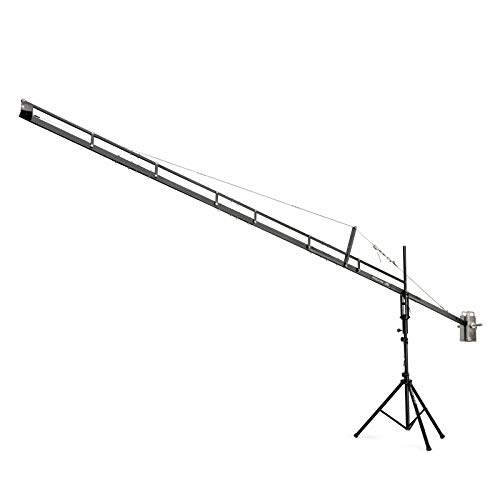
The PROAIM 18ft Crane stands as a long-reach option intended for more cinematic-scale productions. This setup includes a stand and supports cameras up to 3.5 kg (7.7 lb) with stabilization accessories to complement a fluid motion experience. While the bundle emphasizes stabilizing tools—such as a stabilizer and vest for handheld use—it also features micro-balancing adjustments and a telescopic central post for precise horizontal and vertical balancing. The design emphasizes user-friendly operation, offering smooth, controlled motion through thoughtful leverage and balance. This model is best suited for studios or exterior shoots where long, elevated sweeps and precise balance are required.
Note that this option provides a more specialized package with emphasis on stabilization aids and a broader motion range, making it suitable for cinematic shoots where a higher level of motion control is essential. The balance between portability and reach supports larger frame compositions and dynamic scene development.
Buying Guide: Key Considerations for Choosing a Camera Jib Crane
- Load capacity vs. camera weight: Match the crane’s maximum load to your camera body, lens, and any accessories (monitors, rigs, follow focus). Don’t exceed the stated limit to maintain stability and safety.
- Reach and height: Longer booms enable dramatic overhead and high-angle shots, but require sturdier tripods and solid balance. Consider whether you need full 360-degree pan and the range of tilt you’ll employ.
- Material and rigidity: Carbon fiber or high-strength aluminum offer different stiffness-to-weight ratios. Higher rigidity reduces wobble during fast pans or tight focus pulls.
- Balance and counterweights: Look for cranes with adjustable counterweights or water bags. Proper counterbalancing improves control and reduces operator fatigue.
- Portability and setup time: For on-location shoots, lighter, tool-less systems save time. Assess how many crew members you have and how quickly you must deploy the rig.
- Compatibility: Check mounting options for your fluid heads, gimbals, and vibration isolation accessories. Ensure optional extensions, rails, or adapters fit your configuration.
- Versatility: Some cranes offer tilting heads, 360-degree pans, and quick-release plates. A model with flexible mounting suits a broader range of scenes, from interviews to action sequences.
- Durability and warranty: Consider the environment you shoot in (studio vs. outdoor) and whether the build can handle repeated assembly and disassembly. A strong warranty can protect investment over time.