Searching for reliable insulated liners to protect perishable goods in corrugated boxes? This guide highlights five top options designed to keep cold or hot items stable during transit. Each product combines moisture control, insulation, and durable construction to fit common shipping box sizes. Read on to compare features, materials, and practical uses, helping you choose liners that match your shipping needs and order volumes.
| Product | Box Size (Approx.) | Capacity | Notable Feature |
|---|---|---|---|
| IDL Packaging 14″ x 14″ x 14″ | 14 x 14 x 14 in | 5.8 gallons | 1.5-inch thick EcoMax liners for up to 72 hours |
| IDL Packaging 10″ x 10″ x 10″ | 10 x 10 x 10 in | 1.5 gallons | 1.5-inch thick liners; strong moisture protection |
| Smilco 13 x 8.5 x 12 | 13 x 8.5 x 12 in | Varies by use | Metalized, reusable, flat-fold design |
| QoTang 10 pcs 13.4 x 9.5 x 13 | 13.4 x 9.5 x 13 in | Large-pack liner set | Pearl cotton and aluminum foil combo, waterproof |
| CH-BOX 15″ x 10″ x 11″ | 15 x 10 x 11 in | 5.8 gallons | Aluminum foil foam liners for effective insulation |
The selections focus on compatibility with common corrugated shipping boxes, strong moisture management, and practical reusability. Each option supports cold-chain integrity for frozen foods, meats, or seafood, while also accommodating hot or room-temperature shipments where needed. Consider the sizes that align with your typical box inventory, the thickness and material composition, and whether you prefer reusable or disposable liner designs for your operation.
IDL Packaging 14x14x14 Insulated Box
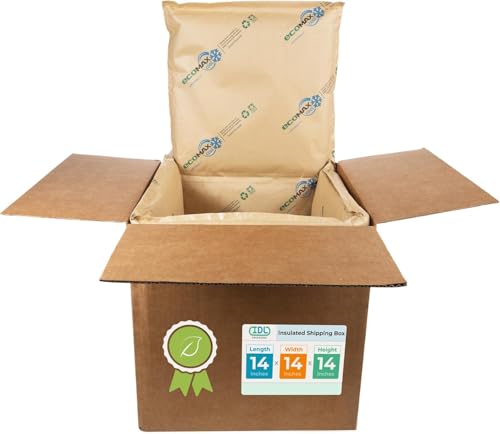
Overview: This 14 by 14 by 14-inch shipping box uses EcoMax thermal-paper liners with a 1.5-inch thickness. The liner combination features a 40# kraft paper shell and multilayer cellulose wadding, designed to absorb condensation and keep contents dry. When used with ice packs, cold retention can extend up to 72 hours. The package includes a single insulated box with liners and emphasizes microbial protection beyond typical plastic insulators, aiming to reduce spoilage risks during transit.
Key features: 1.5-inch liner thickness, 72-hour cold retention with ice packs, moisture-absorbent liner, natural paper-based insulation, microbial protection. Ideal for frozen foods, meat, and fish. The paper-based design offers a sustainable alternative to foam or plastic insulators while maintaining effective thermal performance.
IDL Packaging 10x10x10 Insulated Box (Pack of 3)

Overview: This set includes three 10 by 10 by 10-inch insulated shipping boxes, each equipped with EcoMax thermal-paper liners. The liners provide 1.5-inch thickness for robust cold retention, especially when paired with ice packs. The internal capacity sits at about 1.5 gallons, with moisture-control properties designed to prevent condensation buildup and microbial growth. The natural paper-based liner offers a sustainable approach for small to medium order volumes.
Key features: 1.5-inch thick liners, moisture protection, archival-quality kraft shell, biodegradable-ready liner design. Suitable for frozen foods, meat, or seafood shipments where a compact box footprint is beneficial.
meekoo 30 Pcs Insulated Liners

Overview: This set includes 30 insulated liners designed to fit corrugated boxes, featuring a silver exterior and white interior. Made from pearl cotton and aluminum foil, the liners are waterproof, reusable, and cushion contents during transport. With a thickness around 0.12 inches (0.3 cm), they offer reliable thermal insulation to help keep food cold or hot for longer periods. The liners are designed for flexible use, suitable for daily shipments and replacements in busy operations.
Key features: waterproof and reusable, lightweight, foam-free insulation, cushioning against impacts, practical for corrugated boxes that require quick insertion and removal. Notably, these are liners only; corrugated cases are not included.
Smilco Thermal Box Liners (6 Pack)

Overview: Smilco offers a 6-pack of metalized liner bags designed to fit existing insulated boxes, providing a compact solution for cold and hot transport. The liners are fold-flat for storage and claim strong insulation performance. They are marketed as a flexible option that adapts to various box sizes, enabling cost-effective shipping and reduced need for bulky coolers.
Key features: metalized liner material, fold-flat storage, reusable insulation, compatibility with standard insulated boxes, attractive option for low-cost cold-chain shipments.
QoTang 10-Pack Insulated Box Liners

Overview: This pack includes 10 liners with dimensions of 13.4 by 9.5 by 13 inches, crafted from pearl cotton and aluminum foil. They are designed for versatile use, including frozen transport or hot meals, and emphasize waterproof, reusable insulation. The liners aim to provide a balance of affordability, lightweight practicality, and effective thermal performance across a variety of shipping scenarios.
Key features: pearl cotton and aluminum foil layered construction, waterproof and reusable, suitable for frozen or hot foods, easy insertion into boxes, compact pack size for steady replacement needs.
Buying Guide
When choosing insulated liners for corrugated boxes, consider these dimensions and features to optimize performance and cost:
- Box compatibility: Match liner dimensions to common box sizes (e.g., 10×10, 14×14) so the liner covers the interior effectively without excessive bulk.
- Material and insulation thickness: A 1.5-inch liner thickness delivers strong cold retention, especially with ice packs. Paper-based liners offer moisture management and sustainability, while foil or pearl-cotton blends add durability and water resistance.
- Moisture control: Condensation absorption helps prevent soggy shipments and microbial growth. Paper-based shells with multilayer wadding are popular for this reason.
- Reusability and disposal: Reusable liners reduce waste and long-term costs but require proper cleaning. Disposable options may be simpler for high-turnover operations.
- Ease of use: Flat-fold designs and lightweight materials expedite packing and reduce handling time in busy fulfillment environments.
- Cold-chain vs. mixed-use: For strictly cold shipments, prioritize liners with proven cold retention hours. For dual-use (cold and hot), ensure the material supports both extremes without degradation.
- Environmental considerations: Paper-based and recyclable components generally appeal to sustainability goals. Check for certifications or stated eco-friendly attributes.
- Cost-per-use: Compare pack sizes (single vs. multi-pack) and thickness to gauge long-term expenditures, especially for high-volume shipping.
In practice, the best choice depends on your typical order size, product type, and transit duration. Box-sized fits, moisture management capabilities, and the compatibility with your existing corrugated stock all influence overall reliability and customer satisfaction. For operations prioritizing sustainability, paper-based liners with robust moisture control often offer a favorable balance of performance and environmental impact. For quick packing and reusable programs, metalized or pearl cotton–foil liners provide flexible, durable options.