Choosing the right industrial wood chipper machine can simplify large-scale yard work, landscaping, and debris reduction. This guide highlights five top options, including gas-powered and electric models, each selected for durability, performance, and value. Read on to compare specifications, features, and practical considerations to help you pick a model that fits your needs and maintenance preferences.
| Product | Brand |
|---|---|
| Forest Master FM6DD 6hp Gas Compact Self-Feeding Wood Chipper | Forest Master |
| Sun Joe Silent Wood Chipper Shredder | Sun Joe |
| BSMTEK 15-Amp Wood Chipper Shredder | BSMTEK |
| SuperHandy 4-Inch Wood Chipper Shredder Mulcher | SuperHandy |
| CHERY INDUSTRIAL.COM 6″ 15HP Wood Chipper | CHERY INDUSTRIAL.COM |
Industrial wood chippers vary in power source, cutting capacity, and mobility. The following sections cover five models with differing approaches to power, feed systems, and maneuverability. Each entry includes a quick look at how the machine handles material, its engine or motor, and any notable design features that help avoid jams and improve longevity.
Forest Master FM6DD 6hp Gas Chipper
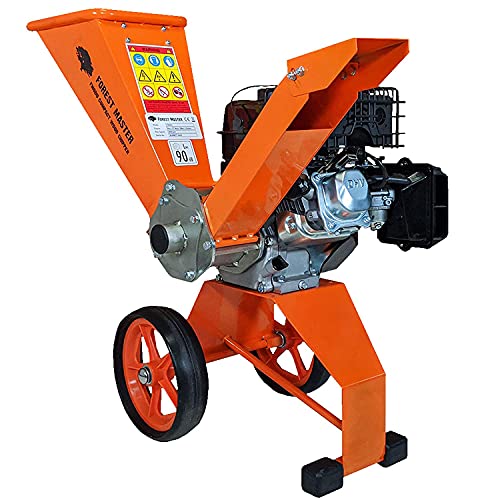
The Forest Master FM6DD is a compact, self-feeding gas-powered unit designed for garden and yard tasks. It runs on a 6-horsepower 208cc 4-stroke engine, delivering high rotational speed up to 3600 rpm. A key feature is the rotatable hopper and exit chute, which helps users manage flow when processing wet or dense materials. Twin reversible blades extend blade life by allowing flipping for longer use before sharpening. This model balances portability with robust performance for medium to heavy-duty cleanup where maneuverability matters.
Sun Joe Silent Wood Chipper Shredder

The Sun Joe model uses a 15-amp electric motor for quiet operation and reliable performance without fumes. It handles branches up to 1.7 inches in diameter, reducing yard waste significantly and producing mulch suitable for garden beds. An integrated safety hopper and locking knob provide immediate shutdown when opened, enhancing user safety. The electric design favors easier maintenance and a compact footprint for residential or light-commercial use where noise and emissions matter.
BSMTEK 15-Amp Wood Chipper Shredder

This 15-amp electric unit offers a 1.8-inch cutting diameter with a sizable 50-liter collecting bin, simplifying debris handling and disposal. It emphasizes a high reduction ratio (around 25:1) to quickly reduce yard waste into mulch or chips. The design prioritizes portability with wheels and a compact profile, making it well-suited for homeowners seeking power without the complexity of gas engines. A decade-long warranty on the collecting bin adds a layer of long-term reliability.
SuperHandy 4-Inch Gas-Powered Wood Chipper

The SuperHandy unit targets heavy-duty yard and farm cleanup with a 9-horsepower gas engine and a 4-inch maximum cutting capacity. A vertically adjustable discharge chute improves chip placement into collection bins or tarps, while reversibility of blades enhances durability and maintenance intervals. The model’s rugged wheels and robust build are tailored for frequent, higher-volume material processing in larger properties or commercial settings.
CHERY INDUSTRIAL.COM 6″ 15HP Wood Chipper

The CHERY INDUSTRIAL.COM model brings a 6-inch cutting capacity powered by a 15HP RATO engine, delivering substantial torque for demanding workloads. A 360-degree rotating discharge chute and reversible double blades provide flexible material handling and extended blade life. This towable design supports on-site relocation for professionals who move between job sites and require high output with ease of transport. The unit’s heavy-duty steel housing supports extended field use but requires appropriate unloading planning due to its size and weight.
Buying Guide: Key Purchase Considerations
- Power source and capacity: Gas-powered units (like Forest Master and SuperHandy) deliver mobility and high cutting capacity, ideal for remote sites. Electric models (Sun Joe, BSMTEK) are quieter, simpler to maintain, and suited to residential or smaller commercial use. Choose a capacity that matches your typical branch size and yard waste volume.
- Discharge design and feed system: A rotatable hopper or 360-degree discharge chute enhances material handling and reduces jams. Self-feeding features improve efficiency on larger piles but require careful safety practices.
- Blade design and maintenance: Reversible or double-edged blades extend service life and reduce downtime for sharpening. Look for models with easy blade access and straightforward replacement procedures.
- Portability and setup: Weight, wheel type, and towability affect how you move between work sites. Heavier units may require assistance or equipment for loading, unloading, and transport.
- Safety features: Safety hoppers, kill switches, and locking mechanisms are essential. Electric units often include automatic shutoff when a guard is opened, while gas units may require robust safety protocols for operation and storage.
- Warranty and parts availability: A long warranty on critical components and easy access to replacement parts reduce long-term ownership costs, especially for commercial use.
- Maintenance and noise: Gas units need regular maintenance (oil changes, air filters), while electric units generally have lower maintenance needs. Noise considerations are important for residential areas and noise-sensitive job sites.
When evaluating these models, consider your typical workload, whether you need wheel mobility, and the availability of service networks. For larger properties with frequent heavy debris, gas-powered units with higher capacity and robust chipping action tend to perform best. For urban or light-commercial use, electric models can offer sufficient power with lower operating costs and emissions.