When dealing with heavy-duty adhesive residues in industrial settings, selecting the right remover is crucial for efficiency and surface safety. This article highlights five industrial-grade options that excel at penetrating tough tapes, labels, and cured adhesives, while offering practical application guidance for varied substrates.
Summary of selected products:
- CRC Industrial Adhesive Remover — Low VOC, fast-acting, aerosol formula for quick adhesive removal.
- 3M Specialty Adhesive Remover (38987) — Solvent-based remover designed to tackle reactive adhesives on multiple substrates.
- 3M Adhesive Remover Citrus Base 6041 — Citrus-based formula for adhesive and residue removal with surface-friendly action.
- 3M Specialty Adhesive Remover (38984) — Easy residue removal for uncured reactive adhesives on various substrates.
- RE MOV Silicone & Adhesive Remover (8 oz) — Heavy-duty bond breaker for silicone, caulk, glue, stickers on many surfaces.
CRC Industrial Adhesive Remover
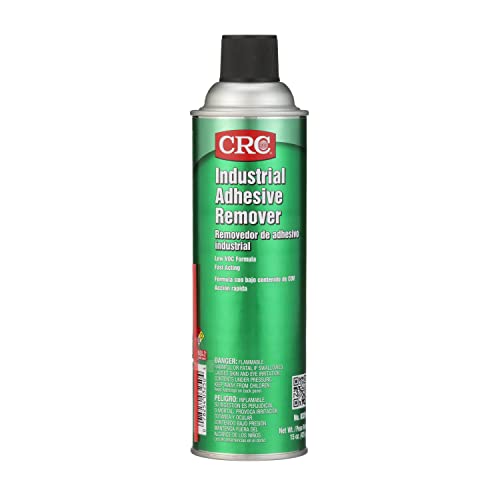
CRC’s aerosol adhesive remover features a fast-acting, low-VOC formula tailored for industrial environments. The product is specifically designed to remove label adhesives from machinery and other substrates, making it suitable for equipment maintenance and cleanup tasks. Its quick action helps minimize downtime during planned maintenance or emergency repairs. The formulation supports removal of tar and tape residues and is effective on a variety of surfaces, including metals and painted finishes. Users should apply in a well-ventilated area and observe substrate compatibility before broad use.
Key points from its features include a fast-acting low VOC formula, targeted for industrial adhesion removal, and a broad application range for labels, tar, and tape residues. This makes it a practical first-choice option for maintenance teams dealing with frequent adhesive buildup on industrial equipment.
3M Specialty Adhesive Remover (38987)
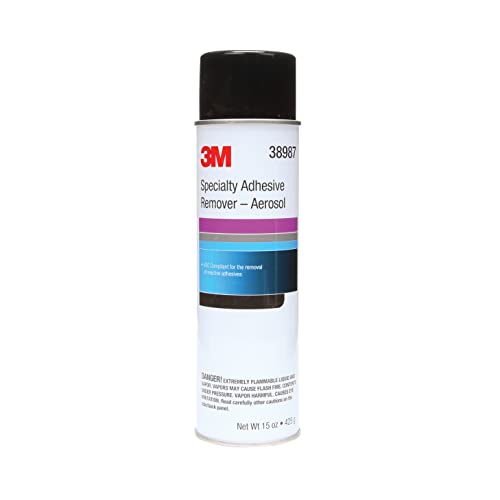
This solvent-based product is designed to remove reactive adhesives that require a hardener or catalyst for bonding. It supports a variety of substrates and is particularly effective on adhesives used in epoxy, urethane, and silicone systems. The remover’s formulation is aimed at reducing the effort needed to detach cured or partially cured reactive adhesives from equipment and surfaces. When using on sensitive substrates, test on a small area first to ensure compatibility, and follow all safety guidelines for chemical handling and ventilation.
Its standout capability is addressing reactive adhesives, which often pose removal challenges due to curing chemistries. For industrial settings where bonded components are serviced or dismantled, this remover can reduce downtime and labor required for adhesive residue cleanup.
3M Adhesive Remover Citrus Base 6041

3M’s citrus-based adhesive remover 6041 is well-suited for removing adhesive residues across a wide range of industrial materials. It cleans surfaces gently, helping lift tape, labels, and sticker residues without compromising the underlying finish in most cases. The citrus base fragrance and solvent nature can facilitate odor-sensitive environments while maintaining effective residue dissolution. It is commonly employed in maintenance and prep tasks where surface integrity matters, such as prepping surfaces for bonding or repainting.
Users benefit from its balance of cleaning power and surface safety. While powerful, citrus-based removers typically pose fewer risks to delicate finishes, making this option appealing for shop floors, assembly lines, and maintenance bays where frequent residue removal occurs.
3M Adhesive Remover Low VOC

This low-VOC remover from 3M is designed for adhesive residue cleanup and surface preparation prior to bonding. It emphasizes cleaner emissions while delivering effective residue removal and surface cleaning. The product is suitable for maintenance and routine cleaning tasks where adhesive leftover might interfere with bonding or painting operations. As with any chemical, verify substrate compatibility and adhere to manufacturer safety guidelines to minimize exposure and ensure proper ventilation in workspaces.
In industrial contexts, low VOC formulations help maintain compliance with environmental and worker safety standards, while still offering dependable adhesive removal performance on non-porous surfaces like metal, glass, and coated materials.
3M Specialty Adhesive Remover (38984)

38984 is a transparent, solvent-based formula designed to ease the removal of reactive adhesives from a variety of substrates. It is particularly effective for residues derived from epoxies, urethanes, and silicones and is touted for user-friendly residue removal. The remover can help facilities maintain efficient maintenance workflows by reducing scraping and labor while addressing stubborn adhesive films. As with other solvent-based products, users should perform compatibility tests and ensure adequate ventilation during application.
The product’s focus on reactive adhesive removal makes it suitable for industrial environments where bonds may include lightweight epoxies and silicones that resist removal with gentler cleaners. This can help maintenance teams reclaim surfaces quickly after repairs or rework.
RE MOV Silicone & Adhesive Remover (8 oz)

Re Mov’s 8-ounce silicone and adhesive remover is designed as a versatile bond breaker for stubborn residues, including silicone, caulk, urethane, and tapes. It performs well on a wide spectrum of surfaces such as glass, metal, plastic, fiberglass, tile, wood, and painted finishes. The product aims to simplify residue removal by working behind and into the adhesive, reducing the need for aggressive scrubbing. Its multi-surface compatibility makes it a practical option for maintenance and renovation tasks in industrial settings where various materials coexist.
Strengths include its broad surface compatibility, effective residue dissolution without surface damage, and a multipurpose role in cleanup tasks beyond glue, such as tar or gum residues. This makes it a flexible choice for workshops, production floors, and service bays where different cleanups occur regularly.
Buying Guide: Key Considerations For Industrial Adhesive Removers
- Substrate compatibility: Test on a small area to confirm that the remover won’t damage coatings, paints, plastics, or metals.
- VOC and environmental impact: Consider low-VOC formulas to meet regulatory standards and protect worker health.
- Reactive vs. non-reactive adhesives: Choose products tailored to the adhesive chemistry in use (epoxies, silicones, urethanes, etc.).
- Application method: Aerosol sprays offer quick coverage; liquids and gels can be better for controlled applications and heavy buildup.
- Surface prep and post-cleanup: Some removers require rinsing or wiping; plan for subsequent bonding or painting steps.
- Safety and ventilation: Ensure proper PPE, ventilation, and storage according to the product’s safety data sheet.
- Odor and cleanup: Citrus-based or low-odor formulas can improve working conditions and ease of cleanup.
- Residuals and residue prevention: Look for products that minimize sticky residues and aid surface restoration after removal.
- Availability and packaging: For ongoing maintenance, stock common sizes (aerosol, 8 oz, 16 oz, etc.) for rapid deployment.
- Cost vs. performance: Balance upfront cost with removal efficiency, substrate safety, and downtime impact.
Choosing the right industrial adhesive remover depends on substrate variety, adhesive chemistry, and workflow requirements. A combination of a fast-acting solvent for heavy residues and a milder, surface-friendly option for maintenance tasks often yields the best overall results in production environments.