Hydraulic pressure test pumps are essential tools for evaluating the integrity of piping systems, valves, and containment vessels. This article highlights five top options known for reliability, ease of use, and durable construction. Each product is evaluated on capacity, pressure range, build quality, and practical features to help professionals and DIY enthusiasts choose the right pump for their needs.
Summary of Selected Products
- IRONWALLS Hydraulic Manual Water Pressure Compression Test Pump — 3 gallon tank, up to 50 Bar
- IRONWALLS Hydrostatic Pressure Tester — 2 gallon tank, 50 Bar, robust copper body
- VEVOR Hydraulic Pressure Test Pump — 50 Bar, 3 gallon, high-visibility gauge
- RIDGID 50557 1450 Pressure Test Pump — 3.6 gallon reservoir, portable
- VEVOR Test Pump Series — 25 Bar, dual/Two-Unit Gauge options
IRONWALLS Hydraulic Manual Water Pressure Compression Test Pump
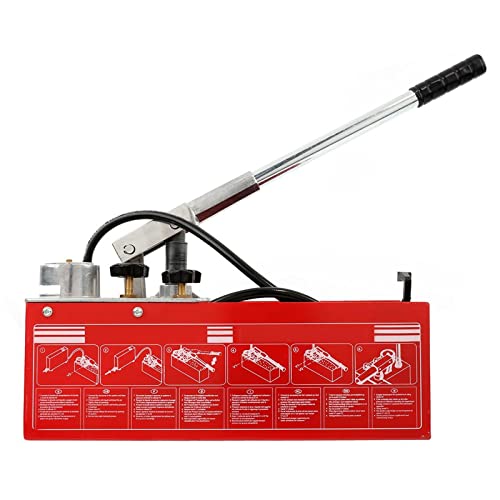
The IRONWALLS 3 Gallon Tank model is designed for robust pipe testing with a 0-50 Bar working pressure and a high-capacity fluid reservoir. A 1/4 inch by 53 inch hose and 1/2 inch NPT outlet connection provide compatibility with common test setups. The unit features a glycerin-filled gauge for stable pressure readings, a lubricated pump plunger, and an ergonomic foam grip to reduce user fatigue during prolonged testing. A lockable arm and double running needle valves support precise control, while the stainless steel tank offers corrosion resistance for longer service life.
Performance notes include a 45 mL flow volume and a total capacity suitable for large-scale tests, which helps maintain steady pressure without frequent recharges. The brass fittings and high-pressure hose contribute to reliability under repeated pressure cycles. This pump is suitable for water-based hydrostatic testing in plumbing, heating, and sprinkler systems, as well as for leak detection applications where consistent pressure control is essential.
In use, the combination of a durable construction and straightforward operation makes it a practical choice for field technicians and workshop environments. While heavier than some portable models, its capacity and gauge clarity can offset the extra weight for users inspecting larger pipelines or networks. Overall, it balances power, durability, and ease of use for routine hydraulic testing.
IRONWALLS Hydrostatic Pressure Tester

This manual tester features a 2.0 gallon fluid tank and a working pressure range up to 50 Bar (726 PSI). The copper water pump body and stainless steel circular arc tank provide durability against rust and corrosion, extending service life in demanding environments. A large, clear glycerin-filled pressure gauge offers quick and accurate readings, while a lubricated plunger and ergonomic foam grip simplify operation. The device is designed for reliability in hydrostatic checks across piping, valves, and containment systems.
Constructed with attention to longevity, this model emphasizes robustness and precise measurement. Its compact footprint makes it suitable for tighter workspaces, while the high-visibility gauge helps technicians monitor pressure with confidence. The unit’s dual emphasis on durability and readability makes it a practical option for professional plumbers and industrial service teams performing leak testing and verification tasks.
With straightforward connections and stable performance, the IRONWALLS Hydrostatic Tester suits a variety of testing scenarios. Its balanced blend of material quality, gauge clarity, and user-friendly design positions it as a dependable choice for mid-sized testing projects and on-site work where portability and endurance matter.
VEVOR Hydraulic Pressure Test Pump 50 Bar

The VEVOR 50 Bar test pump delivers a 3 gallon tank capacity and a 726 PSI maximum. It is designed for pipeline pressure testing, irrigation, and fire protection testing scenarios, with a copper-and-stainless build noted for durability. A large, easily readable pressure gauge is paired with a lubricated plunger and ergonomic grip to optimize user comfort during prolonged test cycles. The 1/2 inch BSP connection supports common piping configurations, making it a versatile option for professional installations.
Users should consider the product’s solid construction and clear gauge when managing high-pressure testing tasks. The combination of a robust hydraulic body and corrosion-resistant tank supports dependable performance over time, even with frequent use in demanding environments. However, potential buyers should weigh the price against features like gauge readability and overall build quality for their specific application needs.
In summary, the 50 Bar VEVOR model is well-suited for professionals who require a reliable, mid-to-large capacity hand pump with straightforward operation and durable components. It offers a balanced set of features for general hydrostatic testing across plumbing, irrigation, and related systems.
RIDGID 50557 1450 Pressure Test Pump

The RIDGID 50557 is designed for versatile piping system testing with a large 3.6-gallon reservoir and an automatic pressure-holding capability to streamline testing workflows. Its patented variable lever-arm design reduces the force required to reach target pressures, aiding efficiency and reducing operator fatigue. The unit is portable at about 14 pounds (6.4 kg), and the handle locks for secure transport. A combination of a light, rugged frame and a practical storage reservoir makes it a strong option for on-site service calls and larger installation checks.
Key strengths include fast pressurization and secure pressure holding, which help technicians perform quick checks on various systems, including heating, refrigeration, and sprinkler networks. The tool’s durability and transportability are essential in field work, where equipment must withstand rough handling yet remain dependable. While heavier than some handheld models, its reservoir capacity and design support extended testing sessions with fewer interruptions.
VEVOR Hydrostatic Test Pump Series: 25 Bar Variants

VEVOR offers a compact 1.4 gallon (5 liter) model with 25 bar (362 PSI) maximum, designed for smaller-scale testing tasks and easy portability. It features a dual-valve system for precise pressure control and a copper valve setup that supports accurate, repeatable readings. The reinforced aluminum body provides strength without excessive weight, and the extended, non-slip handle improves pumping efficiency and reduces fatigue during longer sessions. The unit is suitable for a range of pipeline, valve, and container tests in residential or light industrial settings.
Users benefit from the dual read gauges and the straightforward setup that enables quick changes between test scenarios. While it may not match the capacity of larger 3-gallon pumps, its portability and precise control make it a practical choice for smaller projects or where space is limited. The combination of build quality and ease of use supports reliable performance in routine hydrostatic testing tasks.
Buying Guide: Key Purchase Considerations And Comparisons
When choosing a hydraulic pressure test pump, consider the following factors to ensure the most suitable match for your applications:
- Pressure range and capacity: Higher pressures and larger tanks support more demanding tests and longer intervals between recharges, but add weight and cost.
- Gauge readability: Glycerin-filled gauges reduce flutter and offer clearer readings, which lowers measurement errors during critical testing.
- Durability and materials: Copper bodies, stainless steel tanks, and corrosion-resistant coatings extend service life in harsh environments.
- Valve configuration: Dual valve systems provide precise control and stability; single valves may be simpler but offer fewer adjustment options.
- Port size and compatibility: Ensure hose and outlet connections match your pipe sizes (common standards include 1/2″ NPT and 1/2″ BSP).
- Portability vs. capacity: Larger reservoirs are heavier but reduce refill frequency; smaller pumps are easier to move but require more frequent reloads.
- Safety and labeling: Look for robust handle grips, clear safety instructions, and warning labels regarding chemical exposure in some models.
- Maintenance: Consider ease of disassembly for cleaning and lubrication, especially for plunger seals and valve seats.
For professional settings, a model with a larger tank, sturdy build, and a reliable gauge tends to deliver more consistent results across multiple tests. DIY users may prioritize portability, ease of use, and straightforward operation. Always verify compatibility with your piping standards and consider having spare hoses and fittings to adapt to different systems. Evaluating the balance between performance, durability, and cost will help you select a hydraulic pressure test pump that meets your testing needs while delivering dependable long-term performance.