Selecting the right hydraulic oil for a bottle jack helps maintain performance, prevent leaks, and extend the jack’s life. This guide highlights top oils that suit a range of jacks, from standard floor jacks to small bottle jacks, while considering viscosity, anti-foam properties, seal compatibility, and environmental factors. Each product below is tied to user-friendly features that support reliable operation in workshop and garage settings.
| Product | Brand | Key Benefit |
|---|---|---|
| Bar’s Leaks Jack Oil with Stop Leak | Bar’s Leaks | Stops current leaks and helps prevent future leaks |
| MAG 1 00925 Hydraulic Jack Lubricating Oil | Mag 1 | FMX friction management for extreme protection |
| Lucas Oil 10019 Hydraulic Oil Booster and Stop Leak | Lucas Oil | Reduces operating temp and conditions seals |
| Sta-Lube Hydraulic & Jack Oil SL2621-15 | Sta-Lube | Anti-foam, anti-rust with anti-wear additives |
| Renewable Lubricants Bio-Bottle Jack ISO 32 | Renewable Lubricants | Biodegradable, marine-friendly, seal conditioning |
Bar’s Leaks Jack Oil with Stop Leak
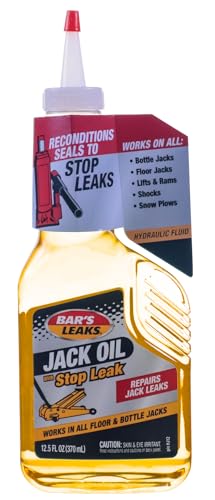
Bar’s Leaks Jack Oil with Stop Leak is designed to work across different jack configurations, including floor jacks and bottle jacks. Its blend focuses on stopping current leaks and preventing future ones while maintaining compatibility with various fluids used in snow plows and related equipment. The formula emphasizes non-corrosive, non-clogging, and non-foaming performance, supporting reliable lift operations in shop environments. For bottle jack users seeking leak control and straightforward maintenance, this option combines practical sealing help with conservative protection for moving components.
MAG 1 00925 Hydraulic Jack Lubricating Oil

MAG 1 00925 Hydraulic Jack Lubricating Oil features FMX Technology, delivering friction management for elevated protection and performance. Its formulation uses oxidation-stable base oils, rust inhibitors, anti-wear agents, and anti-foam components to safeguard hydraulic jacks and lifting equipment. This oil is suitable for users seeking long-term reliability in demanding shop conditions, with emphasis on protecting seals and internal surfaces from wear while keeping systems free from foam that could impact smooth operation.
Lucas Oil 10019 Hydraulic Oil Booster and Stop Leak

Lucas Oil 10019 is designed to reduce operating temperatures in hydraulic systems and condition seals to stop and prevent leaks. It is well-suited for equipment with wet brakes and can be beneficial for older bottle jacks requiring seal conditioning to maintain performance. The product emphasizes leak prevention and heat management, which helps extend service life and maintain consistent lift power in various operating environments.
Sta-Lube Hydraulic & Jack Oil SL2621-15

Sta-Lube’s hydraulic and jack oil blends a high-quality paraffinic base oil with anti-rust, anti-oxidant, anti-foam, seal swell, and anti-wear additives. The formulation targets sealing, lubrication, and anti-corrosion needs for hydraulic jacks, grinders, hammers, air motors, and more. This makes Sta-Lube a versatile choice for garages that operate multiple hydraulic tools, offering a balanced viscosity and reliable protection against foaming and wear in a range of temperatures.
Renewable Lubricants Bio-Bottle Jack ISO 32
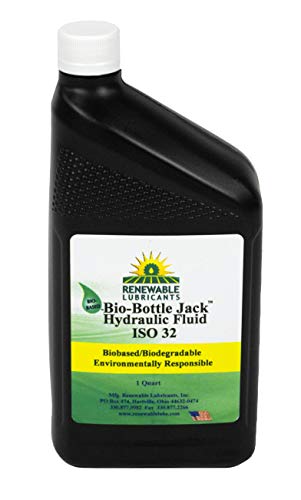
Renewable Lubricants Bio-Bottle Jack ISO 32 is a readily biodegradable hydraulic oil designed for bottle jacks, floor jacks, and related equipment. It serves as a marine-friendly, EPA VGP-approved option that conditions seals to support leak prevention in quick-jack or simple hydraulic systems. Being bio-based, it emphasizes environmental considerations while maintaining reliable lubricity, oxidation resistance, and seal compatibility for multiple hydraulic applications in workshops and on boats.
Buying Guide: Key Purchase Considerations
- Viscosity and compatibility: Bottle jacks typically use ISO 32 to 46 oils. Choose a viscosity that matches your jack’s design and seals, ensuring smooth operation across temperature ranges.
- Seal conditioning and anti-wear additives: Oils with seal-conditioning agents help extend gasket life and reduce leaks. Anti-wear and anti-foam properties minimize internal wear and foam buildup during cycling.
- Anti-corrosion and oxidation protection: Look for rust inhibitors and antioxidant additives to guard internal components against moisture and oxidation, especially in humid garages or when stored long-term.
- Leak prevention features: Some formulas include stop-leak properties that can help seal existing leaks and prevent new ones, which is valuable for aging jacks or machines operating under load.
- Biodegradable or environmentally friendly options: If you prefer eco-conscious choices, biodegradable bio-based hydraulic oils offer reduced environmental impact without sacrificing performance.
- Compatibility with other hydraulic fluids: Ensure the chosen oil is compatible with the jack’s seals and with any other fluids in the hydraulic system to avoid detrimental chemical interactions.
- Warranty and manufacturer guidance: Check your jack’s manual for recommended fluids and any warranty implications related to oil choice.
- Temperature performance: Consider climate and typical working temps. Higher anti-foam and oxidation resistance help maintain lift performance under heavy use or in hot environments.
- Availability and packaging: Bottles in 12–32 oz for small jacks or larger quarts can offer cost-effective options depending on usage. Ensure the packaging meets your storage preferences.
When selecting an hydraulic oil for a bottle jack, balance performance features with the specific needs of your tool and work environment. The oils listed here cover a spectrum of priorities—from leak prevention and seal conditioning to heat management and environmental considerations—allowing you to choose a product that aligns with maintenance routines and operational demands.