High pressure 3-way ball valves are essential components in hydraulic and water systems, enabling reliable redirection of flow with minimal leak risk. This article highlights five top-rated options, each designed to withstand demanding pressures while offering durable construction and straightforward operation. The selections below combine robust materials, corrosion resistance, and secure NPT connections to fit demanding industrial applications and advanced machinery.
| Product | Brand | Max Pressure | Connection |
|---|---|---|---|
| Taixin High Pressure 3 Way Ball Valve 1/2″ NPT | Taixin | Not Specified On Listing | 1/2×1/2 inch NPT |
| High Pressure Hydraulic Valve KHB 3/8″ NPT | L | 7250 PSI | 3/8″ NPT |
| Taixin Hydraulic High Pressure Ball Valve 2 Way 3/8″ NPT | Taixin | 7250 PSI | 3/8″ NPT |
| Autovo Hydraulic Valve 3/4″ NPT 4568 PSI | Generic | 4568 PSI | 3/4″ NPT |
| Autovo Hydraulic Valve 1″ NPT 4568 PSI | Generic | 4568 PSI | 1″ NPT |
Selected products cover a range of high-pressure capabilities, materials, and NPT thread sizes to match common hydraulic system configurations. They are suitable for shut-off and flow-direction tasks in demanding environments while maintaining reliable sealing and long service life.
Taixin High Pressure 3 Way Ball Valve 1/2″ NPT

- Model: KHB3K 1/2” FNPT, 2-position 3-way NPT ball valve L-Bore
- Suitable for hydraulic and water applications
- Connection: 1/2×1/2 inch NPT thread female
High Pressure Hydraulic Valve KHB 3/8″ NPT

- Carbon Steel Material
- Use for Hydraulic System
- Chrome Plated
- 7250 PSI Rated Pressure
- Shut-off 2-way design
Taixin Hydraulic High Pressure Ball Valve 2 Way 3/8″ NPT

- Max operating pressure: 7250 PSI / 500 bar
- Connection: 3/8 inch NPT thread female
- DN10
- Surface treatment: Zinc chromate plating
Autovo Hydraulic Valve 3/4 Inch 4568 PSI
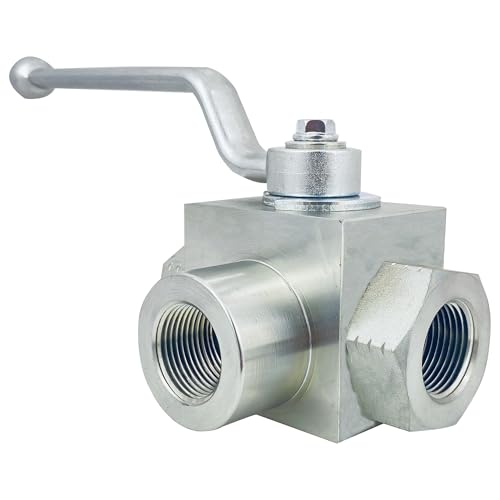
- Maximum operating pressure: 4568 PSI
- Material and surface treatment: Carbon steel with Zinc plating
- Connection: 3/4×3/4 inch NPT thread female
Autovo Hydraulic Valve 1 Inch 4568 PSI

- Maximum operating pressure: 4568 PSI
- Material and surface treatment: Carbon steel with Zinc plating
- Connection: 1×1 inch NPT thread female
Autovo Hydraulic Valve 3/8 Inch 7250 PSI

- Maximum operating pressure: 7250 PSI
- Material and surface treatment: Carbon steel with Zinc plating
- Connection: 3/8×3/8 inch NPT thread female
Buying Guide: Key Considerations For High-Pressure 3-Way Ball Valves
When selecting a high-pressure 3-way ball valve, consider the following factors to ensure compatibility, safety, and longevity:
- Pressure rating: Match the valve’s maximum operating pressure to system requirements. High-pressure options commonly range from 4500 PSI to 7250 PSI.
- Port configuration: 3-way valves provide different flow paths (L, T, or Y patterns). Ensure the bore and port alignment meet your piping layout and control logic.
- Connection type: NPT thread sizes (e.g., 3/8, 1/2, 3/4, 1 inch) should align with existing fittings. Female NPT connections are common in hydraulic systems.
- Material and finishing: Carbon steel with zinc plating or chrome plating offers corrosion resistance and durability in hydraulic environments.
- Valve bore and flow characteristics: L-Bore or other bore designs affect flow and shut-off behavior. Confirm compatibility with your flow requirements and pressures.
- Seating and sealing: Look for tight-sealing mechanisms suitable for hydraulic fluids to minimize leaks under high pressure.
- Industrial certification and standards: If applicable, verify compliance with industry standards for safety and performance.
- Installation and maintenance: Consider ease of installation, accessibility for maintenance, and replacement parts availability.
- Cost vs. lifecycle: Balance upfront cost with expected service life and maintenance frequency to optimize total cost of ownership.
- Supplier support: Choose vendors offering reliable support and clear documentation for high-pressure applications.
These considerations help compare valves across brands and models, ensuring the selected product meets the hydraulic system’s performance, safety, and reliability requirements.