Discover durable, hand-crank and electric options for grinding corn, wheat, and other grains. This guide highlights five well-regarded hammer-style and manual grain mills designed for home kitchens, small farms, and commercial setups. Each pick balances build quality, versatility, and ease of use to help you choose the right grain grinder for corn and other staples. Below is a quick summary of the featured products to help you compare at a glance.
| Product | Type | Capacity | Best For |
|---|---|---|---|
| Victoria Manual Cast Iron Grain Mill — High Hopper | Manual | High hopper | Heavy-duty grinding, larger batches |
| Victoria Manual Cast Iron Grain Mill — Low Hopper | Manual | Low hopper | Compact grinding, table-clamp design |
| Corona Corn Grinder — Low Hopper | Manual | 0.8 qt hopper | Versatile grains, durable cast iron |
| Corona Corn Grinder — High Hopper | Manual | 1.9 qt hopper | Higher capacity, traditional recipes |
| NAIZEA Electric Grain Mill Grinder | Electric | 3000W motor | Fast, high-volume grinding |
Victoria High Hopper Manual Cast Iron Grain Mill

The Victoria High Hopper model is built around a robust cast-iron milling mechanism with double tin plating and an adjustable screw to control grind coarseness. Its durable hand crank features a wooden handle and white iron discs geared for consistent performance with corn and other grains. The high hopper option accommodates larger batches, while its clamp-on design fits most tables up to two inches thick, ensuring a stable grinding experience during heavy use.
Victoria Low Hopper Manual Cast Iron Grain Mill

This version shares the same premium cast-iron build and manual operation as the high hopper model but in a more compact form. It uses a durable hand crank with a wooden handle and adjustable screw to fine-tune grind texture. The low hopper setup is ideal for tighter spaces or controlled, smaller-batch milling, with non-slip protection to keep the mill steady during operation.
Corona Corn Grinder — Low Hopper

The Corona Low Hopper grinder brings a time-tested design with authentic Colombian craftsmanship. Its 0.8-qt high-capacity hopper and cast-iron construction support steady manual milling for a range of grains and legumes. The adjustable grinding plates enable textures from coarse tamales to fine arepas, making it a versatile choice for traditional recipes and everyday kitchen tasks.
Corona Corn Grinder — High Hopper

This model increases capacity with a 1.9-qt hopper, maintaining Corona’s durable cast-iron construction. The grinder remains fully manual, with adjustable plates to tailor texture for corn, wheat berries, rice, and other grains. Its taller profile supports larger yields per batch, suitable for daily cooking needs or small-scale production while preserving flavor and nutritional integrity.
NAIZEA Electric Grain Mill Grinder
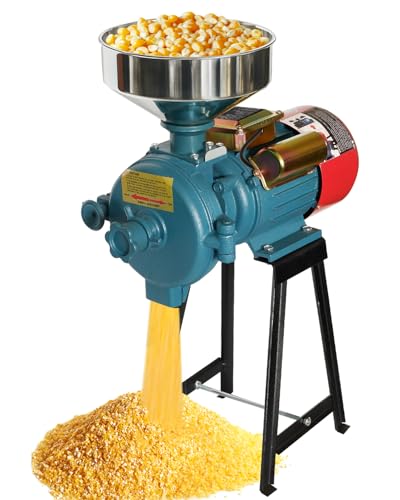
The NAIZEA electric grinder provides high-volume, fast milling with a powerful 3000W motor and up to 2800 RPM. It is designed for commercial or home use and can process corn, wheat, and rice into ultra-fine flour quickly. The unit features a corrosion-resistant galvanized cast-iron shell to withstand long-term use, and it handles both dry grains and some wet grinding tasks. It is suited for kitchens and small businesses that require efficiency and throughput.
Buying Guide
The right corn grinder depends on how you plan to use it. Here are key purchase considerations and viewpoints:
- Stability and setup: Manual mills benefit from a secure clamp or sturdy bench, especially when grinding large batches. Look for non-slip bases and table clamps to minimize movement during use.
- Grind texture control: A precise adjustment screw or plate system enables a range from coarse meal to fine flour. If you bake frequently, a wider texture range is advantageous.
- Hopper capacity: Larger hoppers reduce interruptions during long grinding sessions, but they add height and bulk. Choose a size that matches your typical batch size.
- Material quality: Cast iron mills are durable and long-lasting but heavier. Stainless steel components reduce corrosion risk and simplify cleaning. Tin-plated parts are common in traditional designs.
- Manual vs. electric: Manual mills are simple, quieter, and require no electricity, making them ideal for off-grid or rustic setups. Electric mills offer speed and higher throughput for frequent, large-volume grinding.
- Maintenance: Consider ease of disassembly for cleaning. Some mills are dishwasher-safe for certain components, but most require manual cleaning to preserve coatings and gears.
- Cuisine versatility: If you plan to grind spices, coffee, and legumes alongside corn, check compatibility with different textures and optional grinding plates or burrs.
- Portability and storage: Compact models fit smaller kitchens, while taller designs with larger hoppers may require more storage space and vertical clearance.
- Warranty and support: A solid warranty and accessible customer support help address wear and tear or component replacement over time.
Additional Considerations
All models above share manual durability and cast-iron construction to preserve grain flavor and minimize residue. For households prioritizing ease and speed, the electric NAIZEA model delivers high throughput but consumes electricity and may require more careful cleaning due to its metallic shell. For traditionalists and small-scale bakers, the Corona and Victoria manual mills offer reliable texture control and long-term use with minimal maintenance. When comparing, assess your typical batch size, available workspace, and whether you prefer the tactile experience of hand grinding or the speed of a motorized unit. These perspectives help ensure the chosen mill aligns with culinary goals, budget, and lifestyle.