Keeping equipment safe and accounted for is essential in both fleets and field operations. The following five GPS trackers are among the most relevant for equipment monitoring, combining real-time location updates, robust battery life, rugged design, and ease of setup. Use this guide to compare options for vehicles, trailers, heavy equipment, and other high-value assets. The table below highlights the core strengths of each selected device to help you choose quickly.
| Product | Brand | Key Benefit |
|---|---|---|
| Tracki Pro GPS Tracker for Vehicles | Tracki | Long battery life, wide network coverage, magnetic concealment |
| LandAirSea 54 GPS Tracker | LandAirSea | Real-time tracking, fast updates, discreet design |
| LandAirSea Overdrive GPS Tracker | LandAirSea | Extended battery life, rugged, broad international tracking |
| Trak-4 GPS Tracker | Trak-4 | Very long battery life, indoor accuracy via Wi‑Fi, global coverage |
| Benbengo Magnetic GPS Tracker for Vehicles | Benbengo | Strong magnet, extended standby battery, discreet |
Each option below is evaluated for equipment scenarios, including trucks, trailers, construction gear, or farm assets. Pay attention to battery life, form factor, alerting capabilities, and whether a subscription is required for ongoing tracking. All selections provide real-time or near-real-time location data, with supplemental features such as geofencing, motion sensing, and indoor positioning support where available.
Tracki Pro GPS Tracker For Vehicles

Tracki Pro is designed for global coverage with 4G LTE and optional extended network support. It uses GPS, GLONASS, QZSS, and other satellite systems to provide location data across 180+ countries. A standout feature is its high-capacity 10,000 mAh battery, which can deliver 2–7 months of operation depending on mode and network conditions. The device is compact and waterproof, with a large magnet for discreet mounting under a vehicle. For fleet managers, ongoing service requires a monthly subscription, with plans that can lower over longer terms.
Key considerations for equipment use:
- Battery life: Up to 2–7 months per charge depending on mode.
- Real-time location with Wi‑Fi-assisted positioning when GPS is unavailable.
- Durability and weather resistance; magnetic mounting options.
- Global coverage and network compatibility across older and newer cellular standards.
Bouncie GPS Tracker For Vehicles
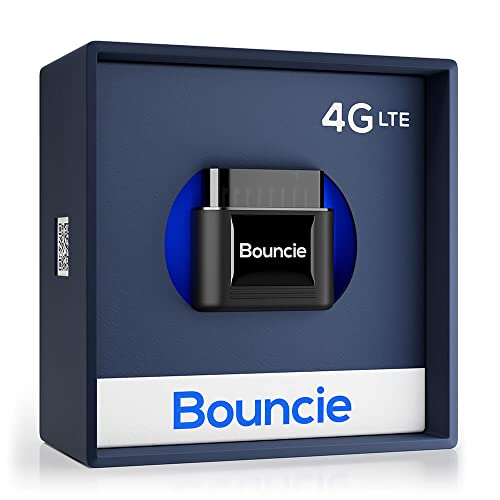
Bouncie focuses on real-time vehicle location and route history, with additional safety-oriented features such as speed monitoring and geo-fencing. While primarily marketed for fleets and families, its robust reporting can support equipment tracking in a managed fleet context. It includes route history and driving insights to help optimize asset usage and prevent downtime. It is designed for continuous vehicle monitoring with an emphasis on immediate visibility and analytics.
Equipment-use considerations:
- Real-time updates and unlimited trip history for patrol-style or asset checks.
- Driving insights to detect unsafe usage patterns that risk asset safety.
- Fleet management compatibility and notification features.
LandAirSea 54 GPS Tracker

The LandAirSea 54 is a compact, magnet-based tracker designed for quick asset placement and stealth use. It provides real-time tracking with fast location updates and geofencing, and it supports Google Maps view for live monitoring. The device sleeps when motionless to conserve battery, extending uptime for asset tracking where a charger is not readily accessible. It is well-suited for assets such as trailers, ATVs, or smaller heavy equipment that require reliable visibility without frequent maintenance.
Key considerations for equipment contexts:
- Real-time updates with rapid location reporting.
- Discreet form factor with magnetized mounting.
- Geofencing and historical playback up to one year.
LandAirSea Overdrive GPS Tracker

The Overdrive is a robust option for commercial environments, offering real-time tracking with fast updates and geofencing. It emphasizes an extended daily life for longer deployments, aided by a large battery and reliable GNSS and cellular antennas designed for challenging locations. The device is suitable for vehicles, trailers, construction equipment, and other critical assets that require reliable, ongoing monitoring across wide geographic areas.
Things to weigh for heavier-duty equipment:
- Extended battery life and rugged design.
- Real-time tracking with strict alerting and geofencing capabilities.
- Global tracking in multiple regions with consistent performance.
Trak-4 GPS Tracker For Vehicles

Trak-4 combines long battery life with multiple GNSS and Wi-Fi location options. It supports global 4G LTE tracking with a robust internal battery that can last 12–18 months per charge under daily reporting, making it highly suitable for assets that may be difficult to access frequently. The device can switch between GPS and Wi‑Fi-based indoor tracking to improve accuracy when outdoor signals are weak. It requires a subscription with flexible plans and offers discreet installation options via a magnetic kit.
Practical notes for equipment tracking:
- Very long battery life relative to many trackers.
- Combination of GPS and Wi‑Fi indoor positioning.
- Global coverage with fallback to 2G networks as needed.
Benbengo Magnetic GPS Tracker For Vehicles

Benbengo emphasizes a strong internal magnet and extended standby battery life with a discreet, hidden installation approach. It is designed for vehicles, trailers, and other equipment where stealth placement is advantageous. The product offers a 5‑day free trial, after which subscription options begin, with batteries that can last up to seven months in standby depending on usage. It emphasizes ease of use and secure mounting for equipment monitoring without visible indicators.
Considerations for this option include:
- Strong magnetic mount for discreet placement.
- Long standby battery life with rechargeable operation.
- Transparent trial and subscription structure.
Buying Guide: Key Purchase Considerations For Equipment Tracking
When selecting a GPS tracker for equipment, buyers should weigh several factors to ensure the device meets long-term needs and operational realities.
- Battery life and charging flexibility: For assets that are hard to reach, prioritize trackers with extended battery life or energy-saving modes, and consider whether rechargeable options fit your maintenance schedule.
- Network coverage and compatibility: Determine whether the device supports the regions where your assets operate and whether it uses 4G LTE, CAT1/CAT4, or fallback networks for reliability in areas with weaker networks.
- Tracking accuracy and update frequency: Real-time or near-real-time updates are critical for security, but higher frequency can drain batteries faster. Balance needs with battery life goals.
- Mounting options and discreetness: Magnetic mounts and compact housings reduce the chance of tampering and minimize aesthetic impact, especially on valuable equipment.
- Geofencing and alerting: Geofences, motion alerts, and tamper alerts help you respond quickly to unauthorized movement or root-cause events affecting uptime.
- Indoor tracking capabilities: Buildings or enclosed yards may require Wi-Fi-based indoor positioning when GPS is obstructed.
- Cost structure: Pay attention to initial hardware costs, ongoing subscription fees, and potential discounts for longer-term commitments.
- Data accessibility: Consider the ease of viewing locations on maps, playback history, and whether the provider offers APIs or integrations with existing fleet software.
- Durability and weather resistance: For outdoor equipment, ruggedized housings and waterproof ratings help ensure continued operation in harsh environments.
In practice, operators should map each asset’s typical location, usage pattern, and maintenance schedule to choose a tracker that aligns with operational workflows. For high-value equipment, devices with long battery life, strong mounting options, and reliable global coverage are often prioritized. If indoor tracking is frequently needed, models with Wi‑Fi-based positioning and robust geofencing capabilities provide added value. Finally, ensure the chosen plan supports the expected asset count and the desired alerting configurations to maintain clear oversight of your fleet and gear.