Finding a sealant that stands up to fuels while bonding reliably to plastic can be challenging. The following picks are specifically formulated for automotive, marine, and plumbing uses where fuel exposure is common. Each product below offers proven resistance to gasoline, oils, and additives, plus compatibility with common plastics used in automotive and household projects.
| Product | Brand | Key Strengths |
|---|---|---|
| LOCTITE 1252795 Oil & Gas Resistant Adhesive Sealant | Loctite | Oil/gas resistance; bonds metal, rubber, plastic; dries clear |
| Permatex 85420 Permashield Fuel Resistant Gasket Dressing & Sealant | Permatex | Fuel resistant; remains flexible; good for disassembly |
| Gasoila Soft-Set Pipe Thread Sealant | Gasoila | Non-hardening; broad material compatibility; wide temp range |
| POR-15 Fuel Tank Sealer | POR-15 | Stops rust; fuel resistant; suitable for metal tanks |
| SIKA Sikaflex-291 Marine Sealant | SIKA | Elastic, vibration resistant; resistant to fuels/oils; over-paintable |
Below are five products selected for relevance to plastic surfaces and fuel exposure, with concise details to help you compare quickly.
Loctite Oil & Gas Resistant Adhesive Sealant

The LOCTITE 1252795 tube is designed for automotive and industrial applications where resistance to oil, gas, and other automotive fluids is critical. This neoprene-based adhesive sealant bonds to metal, rubber, plastic, weatherstrip, and carpeting, delivering reliable sealing under exposure to fuels and automotive chemicals. The product dries clear, which can be advantageous for visible seals in automotive or appliance assemblies. Suitable for multi-purpose uses, its chemical formulation supports sealing joints and gaskets while remaining resilient through temperature fluctuations typical in vehicle environments.
Permatex Permashield Fuel Resistant Gasket Dressing

Permatex Permashield 85420 is a gasket dressing and sealant engineered for fuel exposure. It remains flexible at high temperatures and accommodates rapid temperature changes, helping prevent leaks in metal-to-metal or plastic-to-metal interfaces. Its formulation supports repeated disassembly and reassembly without compromising the seal, making it suitable for fuel system components, engine covers, and other areas where fuel contact and maintenance cycles are common.
Gasoila Soft-Set Pipe Thread Sealant

Gasoila Soft-Set is a non-hardening paste designed to seal pipe threads and joints on metals and plastics alike. Its high-viscosity consistency helps prevent leaks caused by vibration and temperature cycling. With a broad temperature range from -100°F to 600°F, it remains pliable in cold conditions and resists breakdown in high heat, making it a versatile choice for plumbing, HVAC, and industrial projects where plastic components meet fuel lines or fluids.
POR-15 Fuel Tank Sealer
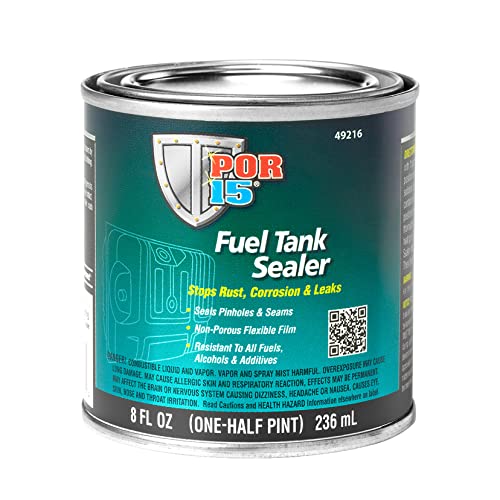
POR-15 Fuel Tank Sealer is formulated to stop rust and prevent leaks in metal fuel tanks, and it offers fuel resistance essential for tank interiors. Though marketed for metal tanks, its strong chemical resistance and sealing capability make it relevant for areas where fuel exposure interacts with metal-to-plastic interfaces, provided surface preparation and compatibility checks are observed. It’s designed for non-porous sealant applications in fuel systems and related storage components.
SIKA Sikaflex-291 Marine Sealant

Sikaflex-291 is a one-component polyurethane sealant designed for marine applications. It cures upon exposure to atmospheric moisture and forms an elastic, vibration-resistant joint. The sealant offers resistance to water exposure and maintains performance in contact with fuels and oils for limited periods, making it a viable option for joints and gaskets in boats or other plastic-wood-metal assemblies near fuel sources. Its over-paintable and sandable properties add versatility for custom installations.
Buying Guide: Fuel-Resistant Sealants For Plastic
- Material compatibility: Confirm the sealant adheres to the plastic types you’ll encounter (ABS, polycarbonate, PVC, nylon, etc.). Some products are formulated for metals with plastic compatibility as a secondary feature; verify the manufacturer’s guidance for your specific plastic.
- Fuel resistance level: Evaluate exposure to gasoline, diesel, ethanol blends, and additives. Some products are optimized for automotive fuels, while others handle marine fuels better. Consider long-term exposure and potential solvent soak.
- Elasticity and cure profile: For joints subject to vibration or thermal cycling, a flexible sealant helps prevent cracking. Check whether the product remains pliable over time and its cure time under typical conditions.
- Temperature range: If the application experiences extreme cold or heat, choose a sealant with a wide dynamic temperature range and proven performance outside standard room temperature.
- Disassembly and maintenance: If access is required, prefer flexible, non-hardening or easily reworkable formulas. This helps avoid damage during disassembly or repair work.
- Humidity and cure conditions: Some products cure faster in moist environments, while others require controlled humidity. Plan for the environment of your project.
- Safety and compliance: Look for products with low odor and acceptable VOC levels where indoor application is common. For marine or food-related environments, NSF or other certifications may matter.
- Application method: Sealants come as pastes, gels, or tapes. Choose based on the application space, tooling availability, and required thickness of seal.
- Surface preparation: Ensure the plastic surface is clean, dry, and free of contaminants. Some products require priming or specific roughening to maximize adhesion.
- Packaging and quantity: For small repairs, 2–4 oz tubes or small syringes may suffice. For larger jobs, multi-tube packs reduce interruption and ensure consistent material.
When selecting a fuel-resistant sealant for plastic, balance chemical resistance, bond strength to plastic substrates, ease of application, and long-term durability. Review manufacturer data sheets for the specific plastic type and environmental conditions involved in your project.