Choosing the right forklift tires and wheels can dramatically impact stability, traction, and load handling in warehouses, factories, and outdoor sites. This guide highlights five solid tire options that cover common sizes and duty levels, helping you compare durability, load capacity, and compatibility. Each entry includes a quick visual and key features to steer your decision. Use the Buying Guide below to weigh material, tread patterns, rim guards, and tube versus tubeless setups for your fleet.
Product Snapshot
| Product | Size | Type | Highlights |
|---|---|---|---|
| Two 650-10 Forklift Heavy Duty Tires | 6.50-10 | Rear/Steer Tire with Tube | Heavy-duty, 2580 lb load, E rating |
| ZEEMAX 6.50-10 & 28×9-15 Set | 6.50-10 & 28×9-15 | Steer & Drive Tires with Tube & Flap | Durable lug pattern, 10PR/14PR, Rim Guard |
| Zeemax One Heavy Duty 7.00-12 | 7.00-12 | With Tube Flap Rim Guard | 12 Ply, Rim Guard, stability |
| Two 7.00-12 Forklift Tires | 7.00-12 | Tires With Tubes | Heavy duty, tube included |
| Two 6.00-9 Forklift Tires | 6.00-9 | With Tubes And Flaps | 10-ply rated, load Range E |
Below are five products tailored to common forklift sizes and usage scenarios. Each entry includes a concise overview, compatibility notes, and the main features that influence performance in real-world operations.
Two 650-10 Forklift Heavy Duty Tires With Tube

This set provides a practical solution for forklifts operating in demanding environments where durability matters most. The tires are sized 6.50-10 and come with inner tubes and flaps. They are rated for heavy loads, with a load capacity of up to 2580 pounds and an E load rating. The configuration is ideal for warehouses and light industrial sites that require reliable, long-lasting tires under frequent use.
Key considerations include the need for tubes and flaps to reduce flats, and compatibility with standard rims used on many older and mid-range forklifts. The tread pattern emphasizes stability and resistance to punctures, making them a good choice when floors are rough or debris is common. Maintenance is straightforward, with tubes helping to maintain consistent pressure for steady handling.
ZEEMAX 6.50-10 & 28×9-15 Set With Tube & Flap

This set combines two steer tires (6.50-10) and two drive tires (28×9-15) for balanced performance across front and rear axles. The tires come with tubes, flaps, and a rim guard, providing extra protection against rim damage and sidewall punctures. The 10PR and 14PR construction indicate strong durability for heavy use, while the lug tread pattern supports stability on uneven surfaces. This configuration is popular in mixed-use warehouses and outdoor yards where traction is essential.
Performance notes include high load-bearing capacity and robust construction to handle daily usage. The rim guard helps guard wheel assemblies during tight maneuvers near pallets and racks. Operators should verify rim width compatibility (5″ for 6.50-10, 7″ for 28×9-15) to ensure a snug fit and optimal load distribution.
Zeemax One Heavy Duty 7.00-12 With Tube Flap Rim Guard

These 7.00-12 tires are designed for heavy-duty use with a 12-ply rating, featuring a rim guard to reduce wheel and rim damage during operation. The package includes an inner tube and flap, enabling quick setup and reliable air pressure maintenance. The industrial lug tread is engineered for stability, especially in busy warehouses or outdoor yards where load shifts can occur. This option is well-suited for fleets that prioritize durability and minimal downtime due to tire issues.
Compatibility considerations center on rim width and overall diameter to ensure seamless mounting. The Rim Guard reduces the risk of rim cuts and abrasion when backing up against pallets or hitting curb-like obstacles. Operators should confirm the tire size matches their loaders’ axles and wheel wells before ordering.
Two 7.00-12 Forklift Tires With Tubes

This pair targets versatile 7.00-12 tires with tubes, offering a practical, mid-range option for many forklifts. The tubes help maintain air pressure and stabilize the tire under load, while the overall design emphasizes durability for daily industrial use. The combination is suitable for mixed operations, from indoor warehouses to outdoor lots where larger tires are advantageous for traction and ground clearance.
Key attributes include compatibility with a wide variety of forklift models, straightforward installation, and reliable performance in varied environments. Check the wheel rim size and hub fitment on your machine to confirm compatibility, and consider whether you need an additional set for multi-shift operations to minimize downtime.
5.00-8 General Service Solid Forklift Tire
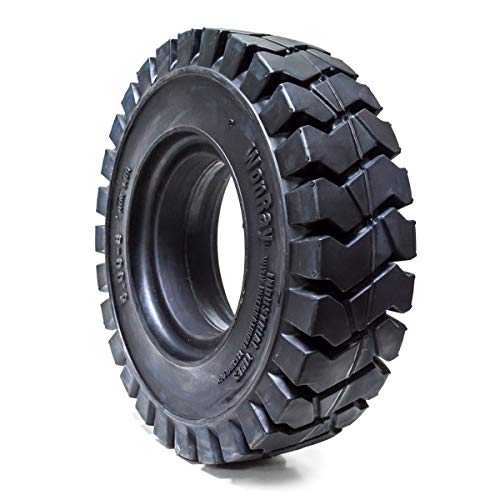
This tire addresses compact forklifts and lighter-duty applications with a size of 5.00-8. It’s a solid tire option, often chosen for low-maintenance needs where punctures must be avoided and uptime is critical. With a rim width around 3.0 inches, this tire is well-suited for smaller forklifts used in shop floors, greenhouses, or shelving-heavy workplaces. The parcel-style R701 pattern contributes to predictable handling and stability at modest speeds.
Considerations for solid tires include ride comfort, weight distribution, and radial stability. Solid tires provide puncture resistance but can be less forgiving on uneven surfaces. Ensure your forklift is rated for solid tire use and check compatibility with existing rims and hubs before purchasing.
6.00-9 Road Crew Forklift Solid Tire

Road Crew offers a solid 6.00-9 tire option designed for solid performance in demanding environments. Like other solid tires, these provide puncture resistance and steady wear characteristics, making them suitable for outdoor loading docks and indoor warehouses with rough floors. The solid construction reduces downtime caused by flats and simplifies maintenance in busy operations where uptime is essential.
Key selection notes include ensuring the tire is compatible with the forklift’s axle width and rim size, as well as confirming that a solid tire aligns with the machine’s load and speed requirements. For fleets prioritizing minimal maintenance and long service life, solid tires can be a compelling choice, especially in high-traffic facilities.
Buying Guide: Key Purchase Considerations And Comparisons
- <strongTread Type And Use Case: Lug-pattern tires excel in outdoor and rough-floor scenarios, while smooth or solid tires offer puncture resistance and low maintenance for indoor, high-traffic warehouses. Choose based on floor condition, debris presence, and load stability needs.
- <strongTire Construction: Tubed tires can be easier to repair and were historically common, but tubeless designs may reduce downtime in some fleets. 6.50-10 and 7.00-12 sizes often come in heavy-duty 10PR or 12PR configurations for durability in demanding duties.
- <strongRim Guard And Flaps: Rim guards protect rims during side impacts; flaps help guard against punctures from sharp objects. These features are especially helpful in yards with pallets, dock edges, or rough terrain.
- <strongLoad Capacity And Ratings: Check load ratings (E, etc.) to ensure tires meet the maximum weight per axle for your forklift and typical load distribution. Oversized tires can change stability dynamics, so confirm compatibility with your machine’s specifications.
- <strongTube vs. Tubeless: Tubes can improve pressure stability in older fleets or certain sizes, while tubeless designs reduce maintenance and potential puncture points. Verify your wheel compatibility and local maintenance capability.
- <strongWheel And Rim Compatibility: Always verify rim width, diameter, and hub fitment. Mismatches can cause unsafe handling or accelerated wear. Keep spare tubes or patches compatible with the chosen tires if tubes are used.
- <strongOperational Environment: Indoor warehouses with clean floors may benefit from solid tires for uninterrupted movement, while outdoor or mixed-use sites may require air-filled tires for better shock absorption and traction on varied surfaces.
- <strongLifetime And Downtime: Durability, puncture resistance, and maintenance frequency influence total cost of ownership. Weigh initial tire cost against expected service life and downtime loss in your facility’s workflow.
- <strongInstallation And Training: Some tires require professional mounting, tubes, and regulators. Ensure staff is trained on proper mounting procedures, pressure checks, and safety practices to maximize longevity and performance.
These options provide a spectrum of durability, load handling, and maintenance profiles to suit diverse operation needs. When selecting tires, align the choice with your forklift model, typical routes, floor types, and the expected workload. For fleets balancing uptime with budget, a phased approach—starting with a durable, tread-heavy option for high-use zones and a versatile option for mixed areas—can optimize performance across the fleet.