Maintaining forklift batteries is critical for peak performance and safety. A reliable battery watering system helps ensure accurate electrolyte levels, prevents overwatering or under-watering, and reduces downtime. This guide highlights top watering systems, their features, and practical considerations for choosing the right kit for your fleet. Below is a quick summary table of five standout options to consider.
| Product | Brand | Key Features |
|---|---|---|
| 36V Forklift Battery Watering System | LHNY | Single connection filling, self-regulating valves, easy installation |
| Direct Fill Link | Battery Watering Technologies | Direct fill, durable PVC housing, pressure handle |
| BK-1C0-201-518 Battery Watering System | Flow-Rite Controls | Automatic shut-off, consistent final fill |
| K1200B-GLFBCTB Universal 12-Cell | Battery Watering Technologies | Automatic, VB-TBU valves, 12-cell compatibility |
| Trojan HydroLink Watering System | TROJAN | 48V compatibility, standard chemistry |
Choosing the right system depends on battery type, cell count, and the level of automation you want. The following sections review each option with objective details to help you compare performance, reliability, and maintenance impact.
36V Forklift Battery Watering System — LHNY

The LHNY 36V Forklift Battery Watering System uses a single-connection design to fill multiple cells accurately, reducing guesswork during maintenance. A key feature is its self-regulating valves, which help ensure each battery cell receives the correct amount of water. Installation is designed to be fast and straightforward, with clear tubing and easy-to-use connections. The system is sized for standard 35mm (1.38 inches) diameter valves; verify compatibility before ordering.
Benefits include streamlined fill operations and consistent electrolyte levels across cells. The design aims to minimize overfill risk and simplify routine checks. As with all watering kits, proper setup and periodic inspection are essential to maintain performance and battery life.
Considerations include confirming valve size before purchase and ensuring your battery layout matches the tubing and valve configuration. This kit is well-suited for fleets seeking practical, low-maintenance automation with a straightforward upgrade path.
Direct Fill Link — Battery Watering Technologies
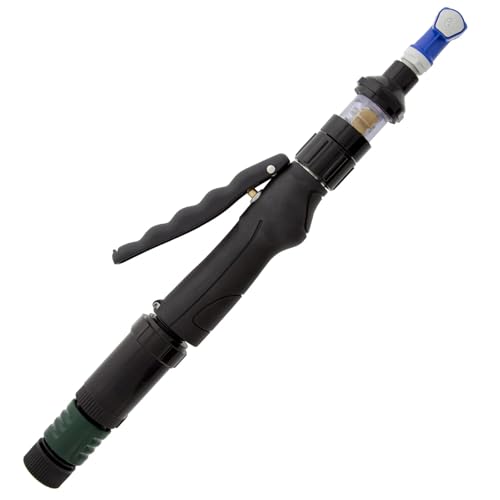
The Direct Fill Link from Battery Watering Technologies emphasizes durability and ease of operation. The handle is pressure-sensitive, and the flow indicator sits within a protective PVC housing, contributing to long-term reliability in industrial environments. This design supports straightforward direct filling, reducing maintenance complexity and ensuring precise water delivery to lead-acid cells.
Key advantages include robust construction and a clear indication of flow, which helps technicians monitor filling progress. The system is suitable for facilities prioritizing dependable performance in demanding warehouse settings. Compatibility with various direct-fill configurations makes it versatile for different battery layouts.
Potential considerations involve ensuring compatibility with your existing battery frame and tubing, plus validating that the PVC-protected flow indicator remains accessible for routine checks.
Flow-Rite BK-1C0-201-518 Battery Watering System

Flow-Rite’s BK-1C0-201-518 system features automatic shut-off valves to prevent overfilling and under-filling, delivering consistent fill levels for each battery cell. This automation helps reduce manual checks and improves reliability in high-demand operations. The design focuses on precise control of electrolyte levels, contributing to longer battery life and fewer maintenance interruptions.
Ideal applications include fleets with heavier use where maintaining exact fill levels matters for performance. The automatic shut-off feature supports safer operation, particularly in busy warehouses with multiple battery banks. Compatibility with standard lead-acid cells makes integration straightforward for many existing systems.
Consider whether you need full automation or if a semi-automatic approach fits your process. Regular inspection of valves and tubing ensures continued accuracy and longevity of the kit.
Battery Watering Technologies K1200B-GLFBCTB Universal 12-Cell System

The K1200B-GLFBCTB is a universal 12-cell watering system with VB-TBU valves, designed for lead-acid battery maintenance. It offers automatic regulation to maintain consistent electrolyte levels, reducing the risk of both overwatering and under-watering. This system is particularly suitable for industrial environments with large 12-cell battery configurations.
Highlights include built-in VB-TBU valves for efficient water flow control and broad compatibility with standard 12-cell layouts. The design aims to simplify maintenance by providing reliable, automatic operation across all cells. Operators should ensure the kit matches their battery dimensions and cell arrangement for optimal performance.
Determinants for selection include the required cell count, compatibility with existing infrastructure, and the level of automation desired in daily maintenance routines.
Battery Watering Technologies — Male End Connector, 1/4″ Insert
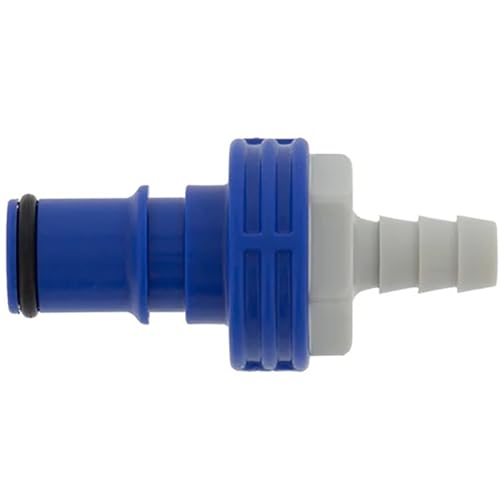
The Male End Connector from Battery Watering Technologies provides a versatile connection option with a 1/4″ insert, designed to complement a variety of watering system configurations. It is positioned as a modular component for upgrading or replacing parts of an existing setup. The product emphasizes compatibility and straightforward installation within established tubing networks.
Considerations include ensuring the 1/4″ insertion aligns with your tubing diameter and connector type. This component is best used to tailor an existing kit to fit unique layouts or to facilitate expansion of a watering system across multiple battery banks.
While not a stand-alone complete system, it plays a critical role in maintaining a flexible, expandable maintenance solution for fleets with evolving battery requirements.
Trojan HydroLink Watering System for 48V Club Car 8V Battery Kit

Trojan’s HydroLink system targets 48V configurations such as Club Car, providing an integrated watering solution with a dedicated kit and hand pump for manual assistance. It supports standard lead-acid chemistry and is designed for reliable, safe operation in fleet environments that use higher-voltage packs.
Advantages include compatibility with typical 48V battery layouts and a practical hand pump for verification or manual topping. The system is intended to deliver accurate water distribution across cells, with emphasis on safe operation and consistent maintenance routines.
Users should verify the exact battery model and voltage within their fleet to ensure proper fit and performance. This kit may suit operations seeking a robust, brand-consistent option for Club Car and similar 48V applications.
36V Battery Watering System — Water My Battery
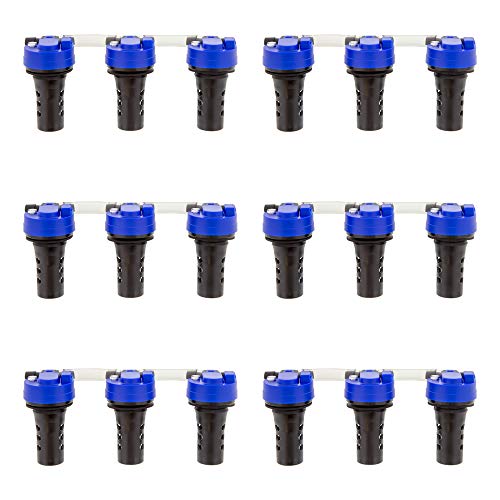
The 36V Water My Battery system is designed to support multiple cells with pre-attached tubing sections, simplifying assembly. Tubing and connections are pre-cut to fit a typical layout, with final assembly allowing customization to match your specific configuration. A manual pump is included for optional use, and the kit comes with a five-year warranty.
This option emphasizes a straightforward, modular approach that can accommodate various 36V battery stacks. The included pump and durable materials offer predictable maintenance workflows, though users should verify compatibility with their exact battery model and spacing.
Key considerations include confirming tubing lengths and connection points for your layout, plus ensuring compatibility with your existing electrolyte management practices and safety standards.
Buying Guide: Key Purchase Considerations
- Battery type and chemistry: Most systems target lead-acid batteries. Confirm compatibility with your specific battery model and voltage (e.g., 36V, 48V).
- Cell count and layout: Systems range from 6 to 12 cells or more. Match the kit to your fleet’s cell configuration to avoid mismatches and ensure proper water distribution.
- Automation level: Decide between manual, semi-automatic, and fully automatic filling. Automatic shut-off valves reduce overfill risk but may require additional maintenance checks.
- Valve and tubing sizing: Verify valve diameter (e.g., 35mm/1.38 inches for some kits) and tubing compatibility with existing hardware to ensure a leak-resistant setup.
- Durability and environment: Look for rugged construction, especially PVC housings and corrosion-resistant fittings for warehouse conditions.
- Installation complexity: Some kits are plug-and-play; others require layout planning and tube routing. Consider available space and technician expertise.
- Maintenance and warranties: A longer warranty and readily available replacement parts help lower total cost of ownership over time.
- Safety considerations: Ensure all components comply with safety guidelines for electrolyte handling and battery charging operations.
- Vendor support and documentation: Access to clear installation instructions and responsive technical support can reduce downtime during deployment.
In sum, the best choice depends on your fleet size, charging schedule, and desired level of automation. For larger operations with consistent 12-cell configurations, a universal or automatic system with VB-TBU valves can offer the most straightforward maintenance. For smaller fleets or retrofit projects, modular components like direct-fill links or 1/4″ connectors provide flexible upgrade paths. Always verify compatibility with your specific battery layout and space constraints before purchasing.