Choosing the right bag for transporting live fish is essential to reduce stress, prevent leaks, and ensure healthy arrivals. This guide reviews five high‑performing options designed for both freshwater and saltwater fish, with features like round bottoms, double seals, and thick films. Each product is evaluated for durability, clarity, and suitability for various shipping scenarios.
| Product | Size / Thickness | Key Feature | Brand |
|---|---|---|---|
| Live Fish Bags, 10×20” Round Bottom Double Seal Clear Fishery Bags | 3 mil | Round bottom; double seal; leak-proof | Harhana |
| Newbested 100PCS 6″x12″ | 2 mil | Double bottom seal; leak-proof | Newbested |
| Aquarium Fish Bags, 3 Mil Extra Thickness | 3 mil | Double seal; crystal-clear display | tutata |
| RESILIA 20″x30″ 2 Mil | 2 mil | Double bottom seal; food-grade | RESILIA |
| Krodtige 6″x22″ 3 Mil | 3 mil | Double sealed; sturdy for transport | Krodtige |
Live Fish Bags, 10×20” Round Bottom Double Seal Clear Fishery Bags

Harhana’s round-bottom design minimizes pinching and promotes natural buoyancy during transport. The bag’s thick 3 mil film provides robust puncture resistance and a clear view of the fish, helping handlers monitor conditions at a glance. The double-seal bottom enhances leak resistance, making these bags suitable for both freshwater and saltwater shipments in batch orders.
Newbested 100PCS 6″x12″ 2 Mil Plastic Clear Leak-Proof Fish Shipping Bags

Newbested offers compact, 6 x 12 inch bags with a 2 mil thickness, making them light yet capable of containing water during short transports. The set includes multiple bags and is well-suited for small retailers or hobbyists needing a cost-effective option for temporary storage and shipping.
Aquarium Fish Bags, 3 Mil Extra Thickness Transporting Shipping Containers
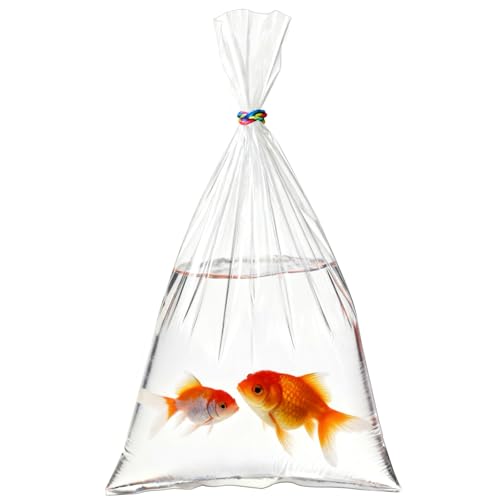
Tutata’s 3 mil bags emphasize strong double sealing to prevent leaks during transit. The thicker film adds durability and helps maintain water integrity for longer shipping windows. The crystal-clear material ensures easy observation of the fish’s state, supporting better handling and care throughout the journey.
RESILIA 20″ x 30″ 2 Mil, Double Bottom Seal Bags

These large, 20 by 30 inch bags use 2 mil film with a double bottom seal for added leak resistance. Made from high-quality polyethylene with metallocene resin, they resist tears and punctures. They’re food-grade compliant, making them safe for live fish transport and compatible with various shipping configurations.
Krodtige 6″x22″ Clear Plastic Bags, 3 Mil

These 6×22 inch bags use a thick 3 mil film with a double-seal design to prevent leaks and punctures. They’re suitable for transporting a variety of aquarium life, including tropical and marine fish, and are designed to withstand handling during shipping and storage in retail environments.
Why these bags matter for shipping live fish
Leak-proof, puncture-resistant bags help maintain water quality and reduce stress on fish during transit. Double seals and round bottoms address common failure points, while thickness levels provide durability. Clear films let handlers monitor fish health during loading, transport, and unloading.
How to choose the right bag
Consider bag size relative to fish species and shipper’s handling practices. For larger shipments, prefer bags with thicker film (3 mil) and double-bottom or double-seal designs. For shorter, smaller transfers, 2 mil bags may be sufficient but should still offer reliable seals. Food-grade materials are an added safety feature for any live-transport scenario.
Storage and handling tips
- Fill bags with an appropriate water-to-air ratio to prevent excessive buoyancy or collapse.
- Inspect seals before packing; test bags by gently pressing for any leaks.
- Label shipments with care instructions and handling notices to reduce stress on fish.
Buying Guide: Key Purchase Considerations
- Bag thickness and material: 2–3 mil films are common; thicker films offer greater puncture resistance for longer or rough handling.
- Seal design: Double seals and double bottoms markedly reduce leakage risk during transit.
- Bag size and volume: Match to the species, tank size, and anticipated shipping duration; avoid overloading bags to prevent suffocation risks.
- Clarity and visibility: Clear films help monitor fish condition without opening bags mid-transport.
- Food-grade and safety: Food-grade film reduces contamination risk and is beneficial when transporting edible aquatic life or mixing with certain transport media.
- Bulk vs. single-use: Consider whether you need bulk bags for retailers or smaller sets for hobbyist use; weigh cost against waste and convenience.
- Environmental considerations: Evaluate bag recyclability or disposal options after use, especially for large shipments.
- Compatibility with water types: Ensure the film and seals are suitable for freshwater, saltwater, or brackish conditions as needed.