Steel surfaces dodge corrosion with the right coating, but protecting steel from fire is a separate challenge. This article highlights five fire retardant or heat-ready coatings and fire-safe protective finishes that are well-suited for steel structures, walls, and fixtures. Each product is evaluated for how it behaves under heat, its application method, safety profile, and suitability for household and industrial environments. Use the buying guide to compare options based on your needs, whether you’re safeguarding a garage, workshop, or home interior.
Summary of selected products:
- Contego Original Formula Intumescent Fire Resistant Coating (1 gallon) – No VOC latex coating that swells under heat to block flame spread.
- DRI-ONE Fire Retardant Spray – Class A protection, ready-to-use spray that dries clear and reduces smoke.
- Komodo K-101 Advanced Fire Protection – Perimeter shield and fire retardant treatment for property defense.
- Stove Bright High Temp Paint – Heat resistant coating for metal surfaces up to 1200°F, suitable for stoves and grills.
- Stainless Steel and Protective Coatings by Steel-It – Industrial-grade coatings that resist corrosion and support heat resistance on steel surfaces.
Contego Original Formula Intumescent Fire Resistant Coating

Contego Original is a latex, water-based intumescent coating designed to protect interior building substrates from fire. It can be applied with a brush, roller, or airless sprayer to walls and frames, forming a protective layer that swells when exposed to high heat. The coating is formulated without volatile organic compounds (VOCs), reducing exposure during normal use and in a fire scenario. It emphasizes zero flame spread and smoke production, and claims superior adhesion relative to other intumescent products, making it suitable for home environments such as kitchens, nurseries, bedrooms, bathrooms, and garages.
Key considerations: Contego is a single-component, water-based solution that adheres to virtually any building material. Its behavior under fire involves swelling to separate the surface from oxygen, slowing flame progression. It is designed for interior applications where safety and low emissions are prioritized. For steel structures, ensure compatibility with the substrate and surface preparation guidelines to optimize adhesion and swelling performance.
DRI-ONE Fire Retardant Spray

DRI-ONE is a long-trusted flame retardant spray with a history dating back to 1958. It is designed for fabrics, wood, thatch, and other materials, with a class A fire rating and NFPA 701/ASTM E84 compatibility. This spray bonds with substrates, allowing post-application painting or staining. It’s marketed as a ready-to-use, no-dilution product that dries clear and helps limit flame spread and smoke production. As a protective measure for steel installations, it provides a straightforward option for areas where fabric or wood components meet metal framing, offering a quick, user-friendly approach to fire safety.
Important notes: The product emphasizes non-toxicity and environmental safety in its formulation. For steel-focused projects, verify substrate compatibility and follow surface preparation steps to ensure even coverage and proper adhesion to metal accents or protective layers adjacent to steel framing.
Komodo K-101 Advanced Fire Protection

Komodo K-101 is positioned as a home perimeter shield that assists in preventing or delaying the spread of fire around structures. The product focuses on treating vegetative fuel and other materials adjacent to property to create defensible space and reduce the likelihood of flame spread to the building envelope. While it targets exterior fire-prone areas, its concepts align with broader fire-retardant strategies for steel-informed properties, especially in regions susceptible to wildfires. It emphasizes US-made quality and patent-pending protection technology aimed at neutralizing combustible growth around the property.
Considerations: Komodo’s approach is broader than a single coating, encompassing perimeters and material treatments. For steel-focused interiors, use it as part of a holistic fire-prevention plan that includes proper spacing, fuel control, and compatible coatings for exposed steel elements to extend protective effects into structural components.
Stove Bright High Temp Paint – Sand – 8125
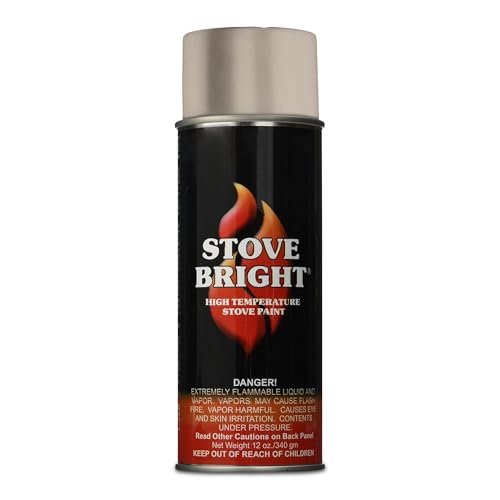
Stove Bright High Temp Paint is engineered specifically for extreme heat surfaces up to 1200°F. While primarily a heat-resistant coating for stoves, fireplaces, grills, and engines, it provides a durable metallic finish suitable for metal substrates, including steel. The product is designed for both indoor and outdoor use, with recommended prep and a primer-friendlier approach to ensure optimal adhesion and color retention. It delivers a satin finish that resists heat-related damage and helps preserve the appearance of hot surfaces and metal components exposed to high temperatures.
Practical use: For steel environments with heat exposure—such as stoves, radiators, or engine compartments—Stove Bright can function as a protective spray or touch-up coating. Ensure surface cleaning and correct curing to maximize heat resistance and finish longevity.
Steel-It Polyurethane Aerosol Coatings

Steel-It offers polyurethane aerosol coatings formulated for steel protection, featuring corrosion resistance and suitability for industrial coatings. The product line emphasizes stainless steel compatibility and suitability for areas where incidental food contact approval is relevant, expanding its use beyond purely decorative finishes. While primarily marketed for corrosion resistance and durability on metal surfaces, its chemical composition supports heat resistance and robust performance on steel substrates that face outdoor exposure or high-temperature environments.
Applications and considerations: Steel-It coatings can be part of a steel protection strategy in industrial or home settings. When fire safety is a priority, pair these coatings with dedicated intumescent or flame-retardant layers designed to remain compliant with local fire codes. Surface preparation, drying time, and the film thickness all influence performance in heat-prone areas.
Buying Guide: Key Considerations For Steel Fire-Protection Coatings
Choosing the right fire-retardant or heat-protective coating for steel involves balancing performance, environmental impact, and application practicality. The following factors help compare options and match products to your project goals.
- Intumescent vs. barrier coatings: Intumescent coatings swell on heat to create insulation, slowing flame spread. Barrier coatings form a protective layer that resists heat transfer. For interior steel framing, intumescent coatings often provide stronger fire resistance, while barriers can offer durable protection for exposed metal surfaces.
- VOC content and safety: Low or no-VOC formulations reduce indoor air exposure during application and curing. This is especially important for residential settings like kitchens, nurseries, and living spaces.
- Substrate compatibility: Confirm whether the coating adheres well to steel, concrete, drywall, or wood adjacent to steel elements. Surface prep, including cleaning and priming, improves adhesion and performance.
- Application method: Brush, roller, or spray applicability affects project speed and coverage on large areas. Consider the available tools and the required film thickness for the desired fire rating.
- Fire rating and standards: Look for certifications or test results aligned with NFPA, ASTM, and local building codes. Some products state Class A ratings or equivalent standards, which are important for compliance.
- Durability and maintenance: In outdoor or high-traffic environments, choose coatings with weather resistance, UV stability, and easy re-coating schedules to maintain protective performance.
- Impact on aesthetics: If steel finishes are visible, select coatings offering color, gloss, and texture options that align with interior design goals without compromising fire performance.
- Environmental and health considerations: Some coatings emphasize non-toxicity and low solvent content. Evaluate long-term environmental impact and worker safety during application.
This set of options covers interior fire safety for steel structures, exterior perimeter protection against wildfires, and heat-resistant finishes for metal surfaces. When evaluating products, prioritize fire performance, substrate compatibility, and ease of application to ensure a durable, compliant solution. Always follow manufacturer instructions for surface preparation, curing times, and reapplication intervals to maximize protection over time.