Fabrics used in homes, offices, and theaters face unique fire risks. Modern fire retardant sprays and blankets help slow flame spread, reduce toxic smoke, and buy valuable time for safe evacuation. This article highlights top-rated products suitable for fabrics and other materials, explaining how they work, where to use them, and what to consider before buying. Each option meets established safety standards and offers practical application guidance for American users.
Summary of Selected Products
| Product | Brand | Typical Use | Notes |
|---|---|---|---|
| DRI-ONE Fire Retardant Spray for Fabric, Wood & More | DRI-ONE | Fabric, wood, theater curtains, upholstery | Class A, NFPA 701 and ASTM E84 compliant; ready-to-use; dries clear |
| ForceField FireGuard Flame Retardant | ForceField | Clothing, fabrics, draperies, furniture, carpets | Nonhazardous, environmentally friendly |
| Flamecheck M-111 Fire Retardant Spray | Flamecheck Simply Safer | Fabric, wood, draperies, banners | Class A, non-toxic, compatible with many absorbent surfaces |
| Matace 2 Pack Fireproof Welding Blanket | Matace | Welding, heat shielding, soldering | High temp rating, durable carbon felt cloth |
| Other DRI-ONE Class A Sprays | DRI-ONE | Fabric, wood, theater curtains, decorative textiles | Multiple sizes; American-made; PBDE-free |
When selecting a product, consider the material type, whether you need a spray or a blanket, dry time, coverage area, and any environmental or safety certifications. The following sections present five top options, with technical details and practical usage notes to help inform a purchase aligned with fabric protection needs.
DRI-ONE Fire Retardant Spray for Fabric, Wood & More

DRI-ONE offers a longstanding option for fabric protection, backed by a family-owned legacy since 1958. The formula bonds with treated materials, creating a protective shield that remains compatible with finishing steps such as painting or staining after application. It is designed to limit flame spread and reduce the release of toxic smoke, providing an added safety layer for upholstery, curtains, and other fabric-heavy environments. The product is available in various sizes to suit different project scales and maintenance routines. It is marketed as environmentally mindful, avoiding certain halogenated compounds and PBDEs.
Key considerations for this product include its ready-to-use nature—no mixing or dilution required—and its clear-drying properties that preserve fabric appearance. Applications span from home furnishings to theater and event spaces. Potential users should ensure the surface is clean and dry before application and follow coverage guidelines for uniform protection. Ideal for those seeking a trusted, American-made solution with a straightforward spray or brush method.
ForceField® FireGuard Flame Retardant

The ForceField FireGuard line emphasizes a nonhazardous, eco-friendly formula designed for fabrics and textiles used in clothing, draperies, furniture, carpets, and upholstery. The product aims to reduce flame spread while maintaining a user-friendly profile. This option is particularly suitable for households and commercial spaces where fabric safety is a priority without introducing strong odors or harsh chemical profiles. Reviewers often highlight its straightforward application and compatibility with a range of fabric types, though users should verify surface interactions with delicate textiles.
For decision-makers, considerations include the environmental profile, regulatory approvals, and the ability to treat large or multi-fabric installations efficiently. As with all fire retardants, adequate ventilation during application and a proper re-evaluation after cleaning or laundering are recommended to sustain protection levels over time.
Flamecheck M-111 Fire Retardant Spray
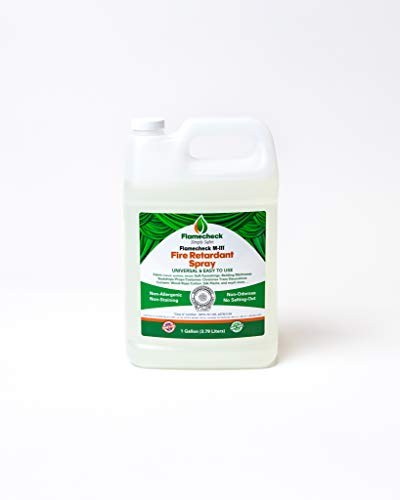
Flamecheck M-111 is positioned as a universal fire retardant with a history of exposure in film and stage environments. It meets NFPA 701 on fabric and leverages a Class A rating per ASTM E-84 for compatible wood surfaces. The product emphasizes non-toxicity and non-corrosiveness, appealing to facilities that require safe handling around people and sensitive fabrics. It is designed to prevent fabric stiffening and odor issues, with a focus on draperies, banners, and textiles used in public spaces.
Practical use scenarios include theater upholstery, costumes, event decor, and stage backdrops. The user should follow surface preparation guidelines and verify media compatibility for delicate fabrics. Coverage can be influenced by fabric absorbency, so test on a small area before wide-scale application to ensure consistent results.
DRI-ONE Class A Fire Retardant (1 Gallon)

This 1-gallon option from DRI-ONE continues the brand’s emphasis on a ready-to-use formula that bonds with materials, offering protection for fabrics and wooden surfaces alike. It is designed to be applied without dilution and dries clear, reducing the risk of altering fabric aesthetics. The product claims to limit flame spread and minimize toxic smoke, aligning with safety standards cited by fire officials and building authorities. It remains an American-made choice with a strong track record for reliability in professional settings such as theaters, stage productions, and large fabric installations.
Users should consider whether a gallon size suits their ongoing protection needs versus smaller volumes. Because this product targets professional or commercial use, ensure adequate ventilation during application and adhere to storage guidelines to preserve efficacy over time.
Matace 2 Pack 12×14 Inch Fireproof Welding Blanket

Matace offers a carbon felt fire-retardant welding blanket designed for heavy-duty heat and spark protection. With a thickness of 5 mm, it delivers robust insulation against high temperatures, up to 3000°F, and is tested to ASTM D6413 and UL94-V0 standards. While primarily marketed for welding, soldering, HVAC, and plumbing maintenance, the product also serves as a clear example of fabric-appropriate fire safety in environments with exposed flames or radiant heat. Its durability makes it suitable for repeated use on workbenches, welding stations, and other high-heat settings.
Key buying considerations include heat tolerance, thickness, coverage area, and the ability to fold or cut the blanket to fit awkward spaces. For fabric-related applications, it can act as a shield for nearby textiles and equipment, complementing spray-based retardants where both flame resistance and heat protection are needed.
Buying Guide: Key Purchase Considerations
Safety standards and certifications are a primary filter when selecting fire retardants for fabrics. Look for products that meet NFPA 701 for fabrics and ASTM E84 Class A ratings for interior use. Consider the environment: households may prefer non-toxic, odorless formulas, while industrial settings may require higher-durability materials like blankets or high-temp barriers.
Material compatibility is crucial. Fabric types vary from natural fibers such as cotton and linen to synthetics like polyester and nylon. Always perform a small test on a hidden area to assess any impact on texture, color, or hand feel. For delicate fabrics, choose products with minimal odor and no staining risk, and follow manufacturer guidelines for post-treatment care and laundering.
Application method and coverage are practical factors. Sprays are convenient for large fabric surfaces and curtains, while blankets provide robust heat shielding for welding and other high-heat tasks. Consider drying times, reactivation potential after cleaning, and whether repeated treatments are needed to maintain protection over time.
Environmental and health considerations matter for long-term use. Many products emphasize PBDE-free formulas and reduced environmental impact. Manufacturers often provide safety data sheets and usage recommendations; reviewing these documents helps ensure compliant and responsible use in both homes and businesses.
Cost and availability can influence choice. If frequent reapplication is anticipated, you might prefer a larger container or a multi-pack for ongoing projects. Availability from reliable sellers or distributors matters for timely replenishment in commercial operations.
Usage context is a final priority. For interior fabrics like draperies, cushions, and upholstery, prioritize products with safe finishes and low odor. For workspaces involving welding or exposure to sparks, combine flame retardant sprays with physical barriers such as welding blankets to maximize protection.