When testing fire hydrant flow, precise instrumentation matters. This article highlights four essential pieces of flow test equipment designed to improve accuracy, reliability, and efficiency in hydrant testing workflows. Each item provides specific functions—from diffusion and pitot measurement to secure installation and rugged hoses—making it easier to assess hydrant performance in the field. The following buying guide offers considerations to help choose tools that fit your testing needs and safety requirements.
| Product | Brand | Key Features |
|---|---|---|
| 1 Pc Fire Hydrant Flow Diffuser Pitot Tube Assembly | Generic | Diffuser Pitot, Snubber, Bleeder Valve; 2½” diffuser compatibility; 1/4″ filter snubber; 3-way bleeder |
| Hydrant Setter with Spreader Bar | Generic | Quicker, safer hydrant setting; Grade 8 galvanized chain; swivel joint; easy alignment |
| Parts Kit “AF” for Any Flow Hydrant | Merrill | G-20 straps, G-25 pivot connector & nut, G-30 packing nut |
| Ace BMF XL.02 Fire Hose | ACE FIRE Preparedness | 75 ft, 1.5″ nitrile-lined hose; high burst pressure; aluminum NH/NST couplings; NFPA 1962 compatible |
Fire Hydrant Flow Diffuser Pitot Tube Assembly
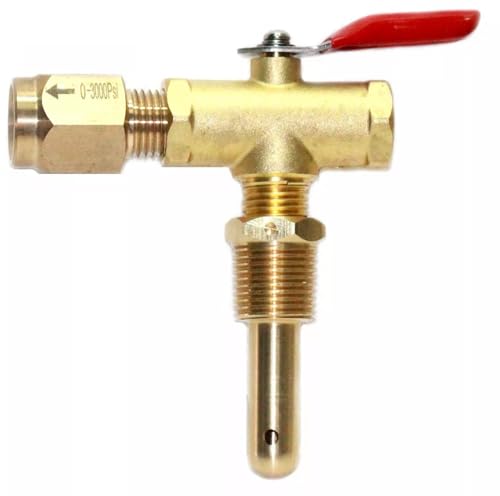
The Fire Hydrant Flow Diffuser Pitot Tube Assembly combines a diffuser pitot tube with a snubber and a bleeder valve to stabilize readings during hydrant flow tests. Its inner pitot tube is designed for 2½” diffusers and includes a 1/4″ filter snubber plus a 3-way bleeder valve for controlled pressure release. This setup improves measurement accuracy by reducing turbulence at the measurement point and allowing easier valve adjustments in the field.
Hydrant Setter with Spreader Bar

The Hydrant Setter with Spreader Bar is designed to streamline the installation of heavy hydrants. It offers quicker, safer, and more precise setting, leveraging Grade 8 galvanized chain and a swivel joint for durable maneuverability. The spreader bar assists with aligning lifting rings, ensuring a secure fit to hydrant hose nozzles and reducing handling time on demanding sites.
Parts Kit “AF” for Any Flow Hydrant

The Parts Kit “AF” provides essential components for adaptable hydrant testing setups. Including two G-20 draw straps, one G-25 pivot connector and nut, and one G-30 packing nut, this kit supports quick assembly and flexible reconfiguration for different hydrant models and flow scenarios. It helps technicians assemble reliable test circuits with minimal downtime.
Ace BMF XL.02 75ft Fire Hose

The Ace BMF XL.02 hose combines durability and performance for fire flow tests. Measuring 75 feet in length and 1.5 inches in diameter, this nitrile-lined hose is rated up to 600 psi with a 900 psi burst capacity. Aluminum NH/NST couplings meet NFPA standards, making it a solid option for reliable outdoor water delivery during hydrant testing and related operations.
Buying Guide: Key Purchase Considerations
- Compatibility: Ensure components fit your hydrant sizes (common are 2½” diffusers) and connect to your existing tester or water supply setup.
- Durability: Look for rugged materials such as galvanized steel, nylon, and nitrile liners that tolerate field use, abrasion, and weather exposure.
- Measurement Accuracy: Pitot-based diffusers and snubbers should minimize turbulence and provide stable pressure readings for repeatable results.
- Ease of Use: Features like quick-release components, swivels, and spreader bars can reduce setup time and improve safety when handling heavy hydrants.
- Compliance and Standards: Verify that hoses and fittings meet relevant standards (e.g., NFPA 1962) for reliability in professional firefighting contexts.
- Portability: Consider weight, storage size, and packability of the kit components for field testing across multiple sites.
- Maintenance: Opt for components with replaceable parts (seals, filters, valves) to extend the life of your testing equipment.
- Cost vs. Coverage: Balance price with the range of hydrant types you test, to avoid multiple redundant tools.
- Safety: Choose gear with secure handling features—snubbers, bleeders, and proper hardware to prevent accidental leaks or misreads.