When working with carbon fiber, choosing the right epoxy system is essential for strong bonds, clear finishes, and durable repairs. This guide highlights five epoxy resin kits that pair well with carbon fiber fabrics, cloths, and composites. Each selection emphasizes wetting out, cure time, UV resistance, and finishes suitable for automotive, marine, and DIY projects. Read on to compare options that offer reliable performance, clarity, and manageable working times for carbon fiber applications.
| Product | Brand | Key Benefit |
|---|---|---|
| Krbnk Carbon Fiber Repair Kit | Krbnk | 2:1 mix, UV resistant, strong repair with carbon cloth |
| TotalBoat 5:1 Marine Epoxy Kit | TotalBoat | Versatile, bonds to carbon fiber, long-term durability |
| Venom Carbon 12 Ounce Resin System | Venom Carbon | Easy-to-use, durable epoxy for carbon fiber repairs |
| Epoxy Resin 16 oz Kit by East Coast Resin | East Coast Resin | Crystal clear, 1:1 formula, safe for various substrates |
| MAS Epoxies Marine Epoxy Kit (1.2-Gallon, Slow) | MAS | High-capacity kit, good for larger carbon fiber projects |
Krbnk Carbon Fiber Repair Kit

The Krbnk kit provides a complete package for carbon fiber repairs, including a 10 ft roll of 12″ carbon fiber cloth, epoxy resin, and a 2:1 hardener system. The cloth features high strength and low density, with a specific gravity about one-fifth of iron and strength roughly ten times greater than iron. The kit is designed for high-temperature resistance, corrosion resistance, and stable performance, making it suitable for automotive panels, body repairs, and structural patches. The 2:1 resin-to-hardener ratio facilitates straightforward mixing, while UV resistance helps preserve gloss and rigidity after cure.
In practice, users apply the mixed epoxy onto the carbon fabric using a brush or roller, then lay the fabric onto the repair area. Once cured, the fabric becomes rigid with a glossy finish, offering durable patching that resists environmental exposure. The included cups, sticks, and gloves support a clean workspace, enabling multiple coats or patch layers as needed for credibility in load-bearing repairs.
TotalBoat 5:1 Marine Epoxy Resin Kit

This kit is designed for bonding, coating, and laminating across marine and composite applications, including carbon fiber. The 5:1 resin-to-hardener system offers strong bonding capabilities and durability, with compatibility across wood, metal, fiberglass, carbon fiber, and other composites. It supports wetting out carbon fabric evenly and provides a reliable pot life and curing profile for various project scales. The kit is often favored for repairs on boats, kayaks, and trailers where clear, robust layers are desired.
Users appreciate its self-leveling aspect and broad compatibility with different substrates. The kit’s resin and hardener are formulated to deliver clear sheens, controlled viscosity, and durable performance in marine environments. For carbon fiber composites, it helps achieve reliable fiber wet-out, uniform thickness, and a smooth final appearance, reducing the risk of air pockets and weak spots. The system is supported by color-coded pumps and mixing supplies in larger configurations for ongoing production or frequent repairs.
Venom Carbon 12 Ounce Epoxy Resin

The Venom Carbon epoxy system offers a convenient 12-ounce package designed for carbon fiber repairs and related composites. The resin is engineered for strength and durability, with straightforward application suited to carbon fabric wet-out and coating. This option is suitable for small to mid-sized repair jobs where a clear, high-gloss finish is desirable after curing. The product emphasizes ease of use, making it accessible for hobbyists and professionals alike who work with carbon fiber panels or repairs.
For custody of performance, the resin follows standard epoxy chemistry, enabling strong adhesion to carbon fiber surfaces and compatible substrates. It can be used for repairs on fiberglass, carbon fiber, and other composites, supporting a reliable bond and a sturdy finished layer. The 12-ounce format helps manage working time while reducing waste on smaller repairs, with a finish that resists moisture and general wear in typical project settings.
Epoxy Resin 16 oz Kit by East Coast Resin
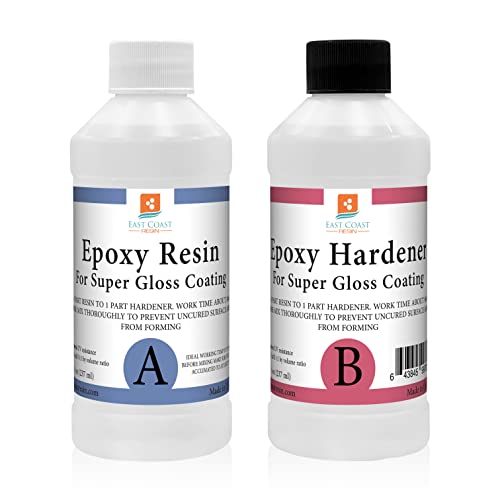
East Coast Resin’s 16 oz kit presents a 1:1 crystal-clear epoxy system designed for coatings, bars, tabletops, jewelry, and general composites including carbon fiber. The formulation emphasizes super gloss finish, water resistance, and self-leveling properties, helping produce a smooth surface over carbon fiber fabrics or layers. This kit is commonly used for decorative or functional coatings where a transparent, clean aesthetic is needed after cure.
Professionals may value its predictable cure times and ease of mixing in a 1:1 ratio, enabling straightforward application with brushes or rollers. The resin’s clarity and depth help highlight carbon fiber textures while providing a protective, durable layer. It is suitable for indoor projects, craft work, and repairs where a clear protective shell is preferred over the fabric’s visible weave or underlying substrate.
MAS Epoxies Marine Epoxy Kit (1.2-Gallon, Slow)

The MAS marine epoxy kit offers a substantial 1.2-gallon slow-curing system with a 5:1 resin-to-hardener ratio, designed for robust bonding, lamination, and repair work. It is well-suited for carbon fiber fabric reinforcements, boat repairs, and heavier-duty composite construction where longer working time is beneficial for complex layups. The kit supports bonding to wood, fiberglass, carbon fiber, etched aluminum, and more, making it a versatile choice for large carbon fiber projects or repairs.
Key benefits include moisture-resistant curing, self-leveling properties for even fabric wet-out, and compatibility with fillers for fairing and reinforcement. The system aims to minimize blush and simplify cleanup, reducing the need for interim washdowns between coats. Its heavier volume makes it appropriate for workshops or projects requiring extended open time to ensure precise alignment and thorough saturation of carbon fabric layers.
Buying Guide: Key Purchase Considerations And Comparisons
Choosing the right epoxy for carbon fiber depends on project size, desired finish, and environmental considerations. Here are important factors to weigh when selecting a kit:
- Working time and cure profile: For small repairs, a 12–20 minute pot life with 30–60 minute handling can be ideal, while larger laminations benefit from slow hardeners and longer open times.
- Viscosity and wet-out: Low to medium viscosity helps carbon fiber fabrics saturate evenly, reducing air pockets and uneven layers. Self-leveling formulas aid coating applications on curved surfaces.
- Strength and durability: Look for formulations designed for marine, automotive, or industrial use, with UV resistance and high bond strength to carbon fiber and common substrates.
- UV resistance and clarity: If the surface will be exposed to light, UV-stable resins prevent yellowing and maintain gloss. Clear systems preserve the fiber weave’s appearance.
- Compatibility with fillers and reinforcements: Some kits work well with additional filler compounds or shear-thickening agents to achieve fairing and shaping for aerodynamic parts.
- Volume and cost efficiency: For frequent or large projects, choose kits with larger resin/hardener quantities and included accessories to minimize waste and downtime.
- Safety and application tools: Disposable gloves, measuring cups, and mixing sticks improve work-site hygiene and accuracy, especially in hobbyist settings.
- Substrate versatility: If you plan to bond carbon fiber to wood, metal, or plastic, ensure the epoxy offers good adhesion to all intended materials and provides a durable, stable finish.
Across these options, Krbnk and TotalBoat provide robust repair and laminating capabilities with carbon fiber fabrics, while Venom Carbon, East Coast Resin, and MAS Epoxies each offer different balance points between ease of use, cure times, and project scale. For automotive panels, repairs on outdoorsy projects, or marine equipment, the right choice depends on whether you prioritize fast turnaround, maximum clarity, or extensive working time for complex layups. Always follow the manufacturer’s safety guidelines and perform small test patches before committing to larger builds.