Choosing an energy efficient air compressor can reduce operating costs and extend equipment life. This guide highlights five high‑efficiency models, drawn from top sellers, that balance power, reliability, and energy use. Each product section provides key features, plus real‑world considerations to help you compare performance, noise, and maintenance needs.
Buying summary table for quick comparison:
| Product | Brand | Key Energy Features | Tank/Power | Typical Use |
|---|---|---|---|---|
| POLAR AIR Industrial Plus Silent Air Compressor – 10HP 80 Gal (PSP10V080V1) | POLAR AIR | 38 CFM at 175 PSI; pressure lube pump; auto drain; USA assembled | 80 Gal; 10 HP | Manufacturing, automotive, industrial shops |
| POLAR AIR Industrial 3-Cylinder Silent Air Compressor – 5HP 60 Gal (PS05V060Y1) | POLAR AIR | Energy-efficient performance; USA assembled; long pump life | 60 Gal; 5 HP | General industrial in compact spaces |
| Ultra Quiet Air Compressor – 3 HP Oil Free (HPDMC) | HPDMC | Oil-free, low noise (≈70 dB); low RPM design | 17 Gal tank | Home, garage, small shop |
| 460V 10HP Air Compressor 3-Phase (Bilowk) | Bilowk | Soft start; energy efficient inverter screw design | 3-Phase; 120 psi | Industrial, larger scale usage |
| Kaibrite 175 PSI 10HP Pump Head | Kaibrite | Low energy consumption; aluminum cylinder head; heat dissipation | – | Repair and upgrade for energy efficiency |
POLAR AIR Industrial Plus Silent Air Compressor

Engineered for efficiency, this 10 HP unit delivers 38 CFM at 175 PSI with a favorable CFM-to-horsepower ratio. The design emphasizes reduced energy consumption for heavy workloads in manufacturing and automotive environments. A pressure lube pump with a long service life supports smooth operation, and the unit is assembled in the USA for quality control. An auto drain system helps minimize energy losses from moisture, contributing to lower operating costs over time.
Performance overview
The 80‑gallon vertical tank supports long runtimes between cycles, while the patented pressure-lubed pump is rated for up to 70,000 hours of service. This model suits demanding shops that need high air output without a proportional increase in energy use. Consider noise levels and space requirements when planning installation to maximize overall efficiency in a busy work environment.
POLAR AIR Industrial 3-Cylinder Silent Air Compressor

This 5 HP, 60 gallon unit emphasizes energy efficiency through a design optimized for maximum output with minimal power consumption. The USA assembly and 50,000‑hour cast-iron pump provide durability for continuous operation. The splash‑lubricated mechanism reduces friction and wear, enabling dependable compression power with lower energy spikes during startup and operation.
Performance considerations
For facilities needing steady airflow in a medium-sized footprint, this model offers a favorable balance of horsepower and tank size. The stepped, two‑stage operation helps stabilize pressure with less energy waste, especially in shops with variable air demands. Regular maintenance of the pump and filter system will support consistent efficiency over time.
Ultra Quiet Air Compressor (HPDMC)

Designed for residential and light commercial use, this 3 HP oil-free unit operates at a very low noise level (around 70 dB). The oil-free design eliminates the need for oil changes, reducing maintenance and energy waste associated with lubrication. The single, compact unit weighs approximately 112 pounds and includes a 17‑gallon tank, making it portable for diverse jobs that require quiet operation and reliable air delivery.
Energy and maintenance notes
Oil-free operation minimizes energy overhead from lubrication, and the lower RPM of 1700 helps reduce wear and draw on power during extended runs. While not suited for heavy industrial duties, it excels in home garages and small shops where noise constraints and energy efficiency are priorities.
460V 10HP Air Compressor (Bilowk)
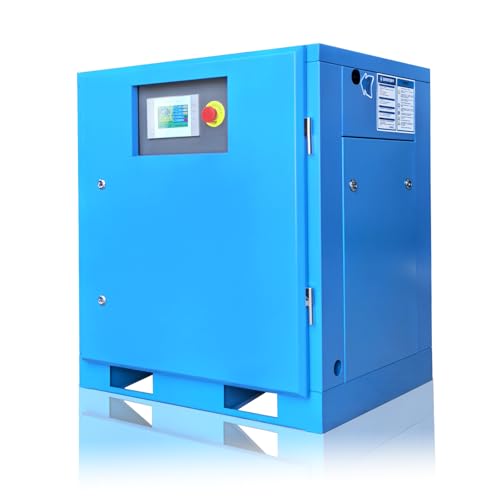
This 10 HP, 460V three‑phase unit uses inverter technology with soft start to reduce inrush current and energy spikes. The 39 CFM at 120 psi capacity makes it suitable for heavier air loads with better control over fluctuations. The inverter screw design helps maintain stable pressure and efficient operation, offering energy savings in larger industrial settings where air demand varies throughout the day.
Operational insights
Given the 3‑phase power and higher voltage, installation should consider electrical infrastructure and space. The soft start feature minimizes startup surges, which contributes to overall energy efficiency and reduced wear on motors and components. Regular system checks on filters and oil (where applicable) will support consistent performance.
Kaibrite 175 PSI 10HP Pump Head

This pump head emphasizes energy efficiency with a focus on aluminum cylinder construction for effective heat dissipation and reduced wear. The design includes features like a larger cylinder diameter and reinforced valve components to maintain consistent delivery at higher pressures without excessive energy use. Suitable for upgrades or repairs where energy efficiency and longer service life are priorities.
Buying Guide
Key considerations when selecting an energy efficient air compressor include output vs. power, tank size, and duty cycle. Higher CFM at lower horsepower generally indicates better efficiency, but the application matters—continuous heavy use benefits from larger tanks and robust pumps, while intermittent tasks can leverage soft-start and inverter technologies to minimize startup draw.
- Power type and voltage: Single‑phase for smaller setups; three‑phase units for industrial environments. Ensure electrical infrastructure can support startup currents.
- Tank size and duty cycle: Larger tanks provide stable pressure and fewer cycles, reducing energy spikes. Toxic or oily environments benefit from sealed designs to minimize maintenance energy costs.
- Lubrication: Oil-lubed pumps can last longer under heavy use, but oil-free designs reduce maintenance and energy consumption in light to moderate workloads.
- Noise level: For residential or shared spaces, lower dB ratings improve work quality and compliance with noise ordinances, while energy efficiency often aligns with quieter operation.
- Maintenance and parts availability: Look for models with readily available pumps, filters, and replacement parts to minimize downtime and energy waste during repairs.
When evaluating options, compare energy efficiency metrics (CFM per horsepower) and startup characteristics (soft start or inverter control). A system with efficient air delivery, smart control, and appropriate tank sizing tends to offer lower operating costs over time, despite higher upfront costs.