Electrically operated diaphragm pumps are widely used in chemical, oil, and waste transfer due to their reliable, seal-tight design and ability to handle viscous fluids. This guide highlights five top options that pair robust construction with solid performance metrics, making them suitable for demanding environments. Each model features double-diaphragm action, solid-state or bolted construction, and compatibility with common industrial liquids, while offering straightforward maintenance and moderate energy use.
Below is a quick overview table of the selected products, including their inlet/outlet sizes and typical flow capabilities to help you compare at a glance.
| Product | Brand | Inlet/Outlet | Flow (GPM) | Max PSI |
|---|---|---|---|---|
| QBY4-25L | PEAYLI | 1 inch | 35 | 120 |
| QBK_40L | PEAYLI | 1-1/2 inch | 44 | 120 |
| QBY4-25L (Cozyel) | Cozyel | 1 inch | 35 | 120 |
| QBK_40L (Cozyel) | Cozyel | 1-1/2 inch | 44 | 115 |
| EMAGENE 1/2 in | emagene | 1/2 inch | 9 | 100 |
PEAYLI QBY4-25L Diaphragm Pump — 1 Inlet, 35 GPM

The PEAYLI QBY4-25L is an air-operated, double-diaphragm pump built with an aluminum body and nitrile or fluorine rubber diaphragms. With a 1-inch inlet/outlet and 35 GPM flow, it supports non-corrosive fluids up to 120 PSI and a maximum head of around 275 ft. Its externally serviceable air distribution and all-bolted construction enhance durability, while the 1/2-inch NPT air inlet streamlines connection to standard shop air. Suitable for chemical transfer and waste oil handling when fluids are compatible with nitrile diaphragms.
Key specs: Aluminum body, 1″ ports, 35 GPM, 120 PSI, 275 ft head, max 150 °F. Not recommended for highly corrosive liquids. The pump emphasizes low pulsation and quick diaphragm changeover for reduced downtime.
PEAYLI QBK_40L Diaphragm Pump — 1-1/2 Inlet/Outlet
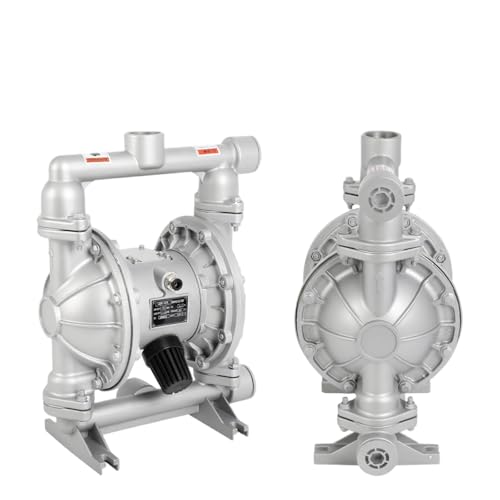
The QBK_40L from PEAYLI offers a larger 1-1/2 inch inlet/outlet with a 44 GPM flow and up to 120 PSI. The aluminum alloy body is bolted for a secure seal, and the pump is designed for easy service with a robust air valve system to minimize stall and downtime. It’s suitable for transferring waste oils and non-corrosive fluids, with a maximum operating temperature around 150 °F. The design supports high head performance and reliable operation in demanding environments.
Highlights include no lubrication requirements, submersibility in some media, and adjustable flow and suction via valve size. This model aligns with facilities seeking a higher throughput while staying within a compact, durable frame.
Cozyel QBY4-25L Diaphragm Pump — 1 Inlet, 1 Inch

The Cozyel QBY4-25L mirrors the QBY4-25L design with an aluminum body and nitrile diaphragms, offering 1 inch ports and a 35 GPM flow at up to 120 PSI. It features a double-diaphragm arrangement and external air distribution for smooth operation. The bolted construction and corrosion resistance support long service life in industrial settings, including chemical transfer and waste handling where liquids are not overly corrosive to nitrile materials.
Performance notes include a maximum head around 275 ft, a maximum temperature near 150 °F, and straightforward maintenance. The pump is suitable where quick response, dependable seals, and modest energy use are priorities.
Cozyel QBK_40L Diaphragm Pump — 1-1/2 Inlet/Outlet

The Cozyel QBK_40L is a 1-1/2 inch diaphragm pump designed for higher-volume transfer with a flow around 44 GPM and a maximum head near 226 ft. It uses aluminum alloy construction with bolted joints to reduce leaks and improve longevity in non-corrosive to mildly corrosive environments. With a maximum pressure around 115 PSI and a 150 °F temperature ceiling, the QBK_40L is well-suited for waste oil and chemical transfer applications that require steady performance and robust construction.
Its quality features include a dual-diaphragm setup, external serviceability, and low energy consumption. The pump is designed for reliable long-term operation in busy transfer lines.
EMAGENE 1/2 Inch Diaphragm Pump — 9 GPM, 100 PSI

The EMAGENE pump uses a polypropylene body with a 1/2 inch inlet/outlet, delivering about 9 GPM at up to 100 PSI. It employs a premium double-TEFLON diaphragm design for chemical resistance, suited for solvents, engine oils, and similar fluids. The pump emphasizes no lubrication, complete separation of pump moving parts from the conveyed medium, and low energy consumption. It is compatible with a wide range of fluids while maintaining corrosion resistance and manageable maintenance needs.
This model is appropriate for smaller-scale transfer tasks, or where compact footprint and reliable chemical compatibility are priorities in a busy facility.
Buying Guide
Key considerations when selecting an electrically operated diaphragm pump include fluid compatibility, material choice, and diaphragm type. For chemical waste and oil transfer, nitrile diaphragms offer good resistance to petroleum products, while fluorine rubber diaphragms excel with aggressive solvents. Material of construction—aluminum vs. stainless steel—impacts corrosion resistance and price, as does the bolted vs. externally serviceable air distribution system.
Other important factors are flow rate and head height. Higher GPM and greater head enable faster transfer across longer runs, but require more air consumption and energy. Look for pumps rated for your maximum anticipated pressure, and verify temperature tolerance to ensure safe operation with hot fluids.
Maintenance considerations include ease of diaphragm replacement, the availability of spare diaphragms and seals, and whether the pump supports modular air valves to reduce downtime. For hazardous or viscous liquids, ensure the seals, hoses, and fittings are suitable for the intended contents and comply with safety regulations. Finally, consider system integration: compatibility with existing air supply (PSI and CFM), compatible inlet/outlet sizes, and whether a bolted construction suits your facility’s maintenance workflow.