Dental laboratories increasingly rely on electric denture injection molding machines to produce flexible removable partial dentures with precision and reduced waste. This guide highlights five capable models, summarizing their key strengths and features to help labs choose a reliable system. The selections emphasize ease of use, durability, and efficiency for everyday denture fabrication tasks.
| Product | Brand | Key Benefit |
|---|---|---|
| Dental Flexible Denture Machine 110V 400W | KinHall | Low maintenance with high success rate |
| Laboratory Dental Vacuum Forming Molding 110V | dentQ | Efficient suction and portable design |
| Dental Flexible Denture Machine, 110V 400W | LUPENGSHOP | Easy operation and minimal waste |
| Digital De-ntal Flexible Denture Machine | DYRABREST | Time-saving operation with high casting success |
| Dental Flexible Denture Machine, 110V 400W Portable | TdiriNar | Portable and durable with hot press capability |
KinHall Dental Flexible Denture Machine

The KinHall dental injection system operates at 400W and 110V, designed for fabricating flexible removable partial dentures. It emphasizes minimal waste at the denture edges and claims a straightforward grinding process that can be completed in one pass. The device is described as easy to operate with a long service life and low maintenance costs, making it a practical choice for busy dental laboratories.
DentQ Laboratory Dental Vacuum Forming Molding Machine

This vacuum-forming unit features efficient suction and a portable design, suitable for lab environments requiring quick formation of dental shells and molds. While not a dedicated denture injector, it complements denture workflows by enabling accurate mold creation and rapid production cycles in compact spaces.
LUPENGSHOP 110V 400W Dental Flexible Denture Machine
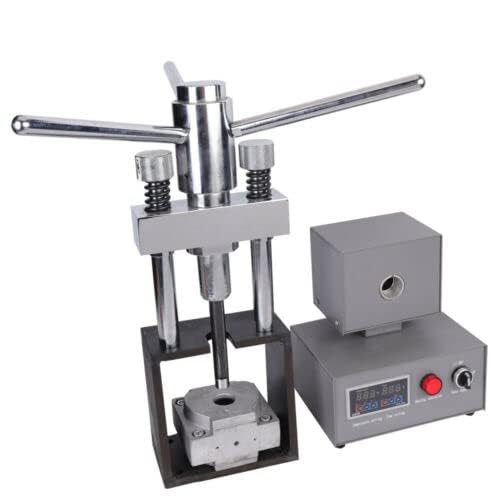
The LUPENGSHOP model mirrors the typical 400W/110V footprint for flexible partial dentures. The listing highlights easy operation, long service life, and low maintenance costs, with an emphasis on producing dentures with minimal waste edges. It is positioned as a practical option for dental offices and laboratories prioritizing reliability and straightforward use.
DYRABREST Digital De-ntal Flexible Denture Machine

The DYRABREST unit is described as a 400W/110V dental denture laboratory equipment designed to create flexible removable partial dentures. It emphasizes high performance with easy operation, long service life, and a low-maintenance profile, aiming for a high cast success rate in routine denture production.
TdiriNar Dental Flexible Denture Machine

The TdiriNar model is a portable 110V, 400W denture injection system with hot press and picking stick features. The description highlights easy operation, a long service life, and low maintenance costs, positioning it as a versatile option for labs needing mobility without sacrificing reliability.
Buying Guide: Key Considerations For Choosing An Electric Denture Injection Molding Machine
When evaluating options, consider the following factors to ensure a fit with your lab’s workflow and budgets:
- Power and voltage: Most models run on 110V with around 400W; confirm compatibility with your electrical infrastructure and room requirements.
- Edge waste and grinding: Look for minimal waste edges and a streamlined finishing process to reduce material waste and time spent post-processing.
- Ease of operation: Prioritize intuitive controls, clear display interfaces, and straightforward maintenance routines to minimize downtime and training needs.
- Durability and maintenance: Invest in models with robust construction and readily available replacement parts to maximize uptime and lifetime value.
- Portability vs. fixed setup: Portable units benefit small labs or multi-room facilities, while fixed units may offer more control for high-volume production.
- Safety features: Inspect for automatic shutoff, overheat protection, and compliant electrical safety standards to protect staff and equipment.
- Support and warranty: Favor sellers offering solid technical support and warranty terms to reduce risk over the machine’s life cycle.
- Compatibility with materials: Ensure the machine supports the specific denture materials you use, and check for any required consumables or tools.
- Footprint and air filtration: Consider the physical footprint and any ventilation needs, especially for compact lab spaces.
- Cost of ownership: Beyond the purchase price, account for maintenance, replacement parts, and potential downtime costs over several years.
How To Compare Different Models
- Performance vs. cost: Balance expected casting success rates with total ownership costs to identify the best long-term value.
- Workflow fit: Map each machine’s operation to your daily tasks, ensuring it integrates smoothly with current denture fabrication steps.
- Support availability: Check supplier reach and response times for spare parts, repairs, and software updates.
Common Questions
- Are these machines suitable for beginners? Yes, many models advertise easy operation and straightforward setup, but consider trainer support or initial guidance from the seller.
- Do they require special maintenance? Routine checks, cleaning, and periodic calibration are typical; refer to the user manual for specifics.
- Can they handle other dental materials? Most focus on flexible dentures, but some units may support related denture materials—verify with the manufacturer.