Electric crankcase vacuum pumps and related vacuum fuel and smoke testing tools offer a practical way to diagnose, maintain, and repair automotive, marine, and small-engine systems. This guide highlights five top picks with diverse applications—from automotive crankcase vacuum to fuel pumps and EVAP smoke testing. Each product features reliable construction, compatibility notes, and the essential specifications you need to compare options quickly. Read on to learn how these devices can improve leak detection, fuel system service, and engine maintenance.
Overview of chosen products
| Product | Brand | Key Features |
|---|---|---|
| Mercury Precision Crankcase Oil Pump 802889A 1 | MERCURY | OEM part, fits Mercruiser engines, threaded dipstick tubes, includes discharge hose |
| moseiny DF52-133-D Fuel Vacuum Pump | moseiny | For Honda GX610/GXV620, durable materials, single outlet, OE part compatibility |
| DF52-133-D 31 L/HR Vacuum Pulse Fuel Pump | SEADEAR | Honda GX610/GXV620 fitment, single outlet, OEM-like replacement |
| Automotive Smoke Machine Leak Detector (FENNICA) | FENNICA | Built-in air pump, multi-system leak testing, portable aluminum design |
| Smoke Machine Automotive Leak Detector (KOLSOL SL200) | KOLSOL | Real-time pressure gauge, flexible modes, comprehensive leak testing |
This selection balances OEM compatibility, general-purpose automotive service, and marine-specific applications. Whether you’re diagnosing crankcase vacuum, diagnosing EVAP leaks, or testing vacuum-operated fuel systems, these tools provide dependable operation and clear indicators to guide maintenance decisions.
Mercury Precision Crankcase Oil Pump 802889A 1

The Mercury crankcase oil pump is designed as an OEM replacement part for Mercruiser sterndrive and inboard engines. It fits threaded dipstick tubes and ships with an outlet/discharge hose for straightforward installation. This unit emphasizes compatibility with Marine Engine Service protocols, making it suitable for maintenance on boat engines that rely on precise crankcase vacuum for proper operation.
Key considerations include verifying engine model compatibility and ensuring the dipstick connection aligns with your current setup. The included hose helps streamline routing to the vacuum system or collection point, reducing installation time. While primarily serving marine applications, the pump’s robust hardware and OEM labeling suggest reliability in continuous service environments. This makes it a sensible choice for owners performing routine crankcase vacuum maintenance or OEM-replacement service.
moseiny DF52-133-D Fuel Vacuum Pump
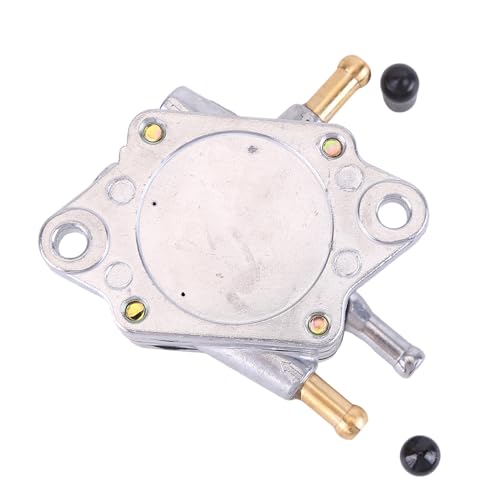
The moseiny DF52-133-D is a vacuum pulse fuel pump designed for Honda GX610 and GX620 series engines. Constructed with wear-resistant materials, it emphasizes durability and long service life. The unit is a single-outlet design intended to move fuel from a remote tank to carburetors via crankcase pressure fluctuations, aligning with typical outboard and small-engine vacuum-fuel pumping needs.
Key considerations include confirming compatibility with your Honda GX610/GXV620-based equipment and confirming the OE part numbers cited (6700-ZJ1-003 family). With its professional-grade build and defined OEM references, this pump serves as a reliable choice for marine or small-engine projects where crankcase or pump-driven vacuum assists fuel delivery. Installation should ensure clean connections and stable mounting to minimize vibration-related wear.
DF52-133-D 31 L/HR Vacuum Pulse Fuel Pump

This SEADEAR model mirrors the same broad compatibility with Honda GX610/GXV620 engines and is packaged as a direct replacement with a single outlet. It targets applications in personal watercraft, snowmobiles, and other small engines where crankcase vacuum pulses drive fuel delivery. The design emphasizes OEM-like performance, with materials and standards intended to meet or exceed factory specs.
Considerations for selecting this pump include evaluating installation layouts, ensuring a proper intake source, and confirming that the engine and carburetor configuration matches the pump’s flow characteristics. For aircraft-like reliability in small engines, this unit can be a strong option when OEM matching is a priority and where a single-outlet vacuum feed aligns with the vehicle’s fuel system architecture.
Automotive Smoke Machine Leak Detector (FENNICA)

The FENNICA automotive smoke machine integrates a built-in air pump with a dense smoke generator, enabling rapid leak detection across EVAP, EGR, vacuum, intake, exhaust, and related systems. It is designed for all DC 12V vehicles and ships with multiple adapters to fit various configurations. The device is compact, lightweight, and built from aircraft-grade aluminum, which supports durability in workshop environments.
Use cases include identifying minute leaks in piping, fittings, or seal interfaces where traditional pressure tests may be inconclusive. Its multifunctional nature makes it valuable for technicians and serious hobbyists who routinely inspect fuel vapor recovery systems, vacuum lines, or exhaust seals. When selecting a smoke tester, consider smoke output, ease of adapter changes, and the availability of spare cartridges or consumables for long-term use.
KOLSOL SL200 Automotive Smoke Detector

The KOLSOL SL200 is a smoke machine with an integrated pressure gauge, designed for comprehensive leak testing of DC 12V vehicle pipe systems. It targets throttle shafts, engine blocks, turbochargers, crankcases, EVAP, and fuel system leakage. The unit emphasizes real-time pressure monitoring, offering a range of 0 to 15 psi, with adjustable smoke output to accommodate different test scenarios. Safety features and dual-mode operation (Air and Smoke) expand its versatility for professional garages and advanced DIY setups.
When evaluating this tool, assess the test scope (evap, crankcase, intake, exhaust), gauge accuracy, and how easily the unit integrates with existing workshop tooling. The dual-mode operation provides flexibility in diagnosing leaks across many components, while the built-in monitoring helps prevent over-pressurization during testing. This can be particularly useful in diagnosing crankcase or vacuum-system leaks that affect engine performance.
Buying Guide: Key Purchase Considerations
Selecting the right electric crankcase vacuum pump or related vacuum tool depends on the application, environment, and maintenance goals. Consider the following perspectives to guide a smart purchase:
- Application fit: Marine engines, Honda GX-series small engines, or automotive EVAP systems each have distinct vacuum and flow requirements. Match the pump or tester’s flow rate and pressure range to your intended use.
- Compatibility: Verify OEM part numbers, engine models, and fitment notes to ensure seamless integration with your system. OEM replacements can simplify maintenance planning and parts availability.
- Durability and build: Look for rugged materials (e.g., aircraft-grade aluminum) and components suited for workshop environments. Oil-free pumps reduce maintenance and potential contamination.
- Ease of use: Built-in air pumps, integrated pressure gauges, and multiple adapters can shorten setup and testing time. Consider whether you need portable, compact units for on-site work or a heavier setup for a shop.
- Safety and reliability: Check for overload protection, safe operating ranges, and clear indicator reads to minimize risk during testing and service.
- Cost of ownership: Factor in consumables like filters, adapters, hoses, and replacement parts alongside initial price. Durable units with broad compatibility may offer lower long-term costs.
- Support and documentation: Ensure product manuals, troubleshooting guides, and supplier support are readily available, especially for OEM-replacement items.
In sum, the best choice depends on your primary duties—marine engine maintenance, small-engine servicing, or comprehensive automotive EVAP testing. The reviewed options provide a spectrum of capabilities from OEM-compatible crankcase pumps to versatile smoke detectors with real-time monitoring. Using the right tool improves diagnostic accuracy, reduces repair cycles, and helps maintain engine efficiency and safety across diverse vehicle types.