Grinding metal generates fine dust and potentially hazardous particles. Selecting the right dust mask or respirator can improve protection, comfort, and visibility during long sessions. This guide reviews five top-rated options designed for metal grinding, cutting, sanding, and related tasks. Each entry highlights filtration efficiency, comfort features, and fit considerations to help readers compare performance and select a model that fits their work demands and safety standards.
Product Overview
- BASE CAMP Upgrade M Plus Dust Mask 2 Pack — 99.4% filtration with six-layer filters and enhanced breathability.
- GVS SPR457 Elipse P100 Dust Half Mask Respirator — lightweight, replaceable filters, and low breathing resistance.
- AirGearPro G-500 Reusable Respirator Mask — dual filtration system (A1P2) for gases and particles; reusable design.
- Klein Tools 60552 Reusable P100 Half-Mask — P100 protection with quick seal validation and compact shape.
- 3M 8210V Particulate Respirator with Cool Flow Valve — comfortable fit with Cool Flow valve and secure seal.
BASE CAMP Upgrade M Plus Dust Mask 2 Pack

The BASE CAMP mask uses a six-layer filter with EAPI technology and advanced nanomaterials to block 99.4% of exhaust gas, dust, pollen, odors, and other airborne particles. The mask aims to improve air circulation and reduce moisture buildup, supporting longer wear during grinding tasks. A redesigned neck band and hook-and-loop system help tailor fit to different neck sizes for better comfort and protection. A note mentions replacing the mounted filter to maintain optimal filtration performance. This option is offered as a 2-pack for value and convenience, with emphasis on breathability and a secure seal during demanding tasks.
GVS SPR457 Elipse P100 Dust Mask
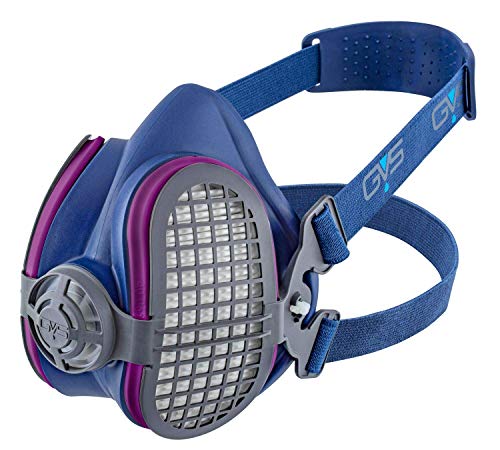
This model targets dusts and fumes common in grinding and sanding, offering P100-level filtration with replaceable, reusable filters. It is designed to be lightweight and compact to minimize interference with other eye or ear protection. The P100 rating supports protection against highly fine particulate matter, including potentially hazardous dusts. The design emphasizes low breathing resistance to reduce fatigue, making it suitable for extended sessions of grinding metal or composite materials. Filters have a long replacement window, helping users maintain performance with minimal downtime.
AirGearPro G-500 Reusable Respirator Mask

The AirGearPro G-500 is CE certified for protection during painting, woodworking, construction, sanding, and more. It uses a dual filtration system (A1P2), combining organic gas/vapor filtration with a P2 particulate filter to guard against gases and fine particles. The mask is designed for reuse with replaceable filters, reducing waste while maintaining filtration efficiency as filters age. The combination of gas and particle protection makes it a versatile option for metal grinding environments where fumes or lubricants may be present along with dust.
Klein Tools 60552 Reusable P100 Half-Mask

The Klein Tools 60552 offers P100-rated protection for dust, metal fumes, and oil mist, with a compact design that minimizes interference with safety glasses. A quick-face-seal validation feature helps verify a proper fit, and the respirator’s lightweight construction supports comfortable all-day wear. This model emphasizes reliable particulate filtration with easy-to-use fit checks, making it a solid choice for grinding metal where visibility and seal integrity matter.
3M 8210V Particulate Respirator with Cool Flow Valve

The 3M 8210V is designed for high filtration efficiency with a Cool Flow valve to ease exhalation and reduce heat buildup. A flexible nose clip and cushioning foam improve the seal around the nose and cheeks, contributing to comfort during prolonged grinding sessions. The two-strap design aids in maintaining a secure fit, while the electrostatically charged filter media supports efficient capture of non-oil-based particles, such as dust and metal particulates. This model is widely recognized for reliability in a variety of industrial settings.
Buying Guide
Protection level and filtration type: For metal grinding, P100 or better filters (or dual filtration systems including gas/vapor protection) are beneficial. Consider whether you need particulate-only protection or also gas/vapor filtration based on machining fluids, lubricants, or coatings in your environment.
Fit and comfort: A secure seal prevents leaks around the nose and cheeks. Look for adjustable nose clips, headbands, and easy-fit checks. Comfort features such as cooling valves, breathable materials, and minimal heat build-up help sustain use during long grinding tasks.
Filter replacement and maintenance: Reusable respirators save cost over time but require timely filter replacement. Check the availability of compatible replacement filters, replacement schedules, and any guidance from the manufacturer on maintenance and cleaning.
Compatibility with other PPE: Ensure the mask is compatible with safety goggles, face shields, and hearing protection used on the job. A mask that interferes with eye protection or ear protection can reduce overall safety performance.
Intended use and certifications: Confirm that a model meets relevant standards (for example, NIOSH ratings or CE certifications) and is appropriate for the type of work (dry dust, smoke, metal fumes, etc.). For metal grinding, selecting a model with robust filtration or dual protection helps address both dust and nuisance odors or vapors from lubricants.
Practical considerations: Availability of replacement filters, ease of storage, and whether the mask comes as a multi-pack can influence the total cost and convenience for ongoing projects. Evaluate your typical work environment, duration of use per day, and the likelihood of exposure to hazardous particles when choosing a model.