When coloring polyester, choosing the right disperse dye is essential for consistent, vibrant results. This guide highlights top options that perform well on polyester fabrics and related materials. Each pick is evaluated for color strength, ease of use, and versatility across synthetic fibers. The products featured here come from trusted brands and offer dissolvable or easy-to-use formats for home dyeing, crafts, and small projects.
Summary of selected products:
- Jacquard iDye Poly, by Jacquard
- Jacquard iDye Fabric Dye 14 Grams – Gun Metal, by Jacquard
- Jacquard iDye Fabric Dye Violet (For Polyester), by Jacquard
- Rit Liquid Fabric Dye Black
- Alumilite Liquid Color Dye Flo Orange, 1 oz, by Alumilite
Product Overview Table
| Product | Brand | Key Use |
|---|---|---|
| iDye Poly | Jacquard | Color polyester and other synthetics |
| iDye Fabric Dye 14g – Gun Metal | Jacquard | Polyester, Nylon, all 100% natural fabrics |
| iDye Fabric Dye Violet | Jacquard | Polyester and synthetics |
| Rit Liquid Fabric Dye Black | Rit | Clothing, nylon, plastic, furniture and more |
| Alumilite Flo Orange Dye | Alumilite | Resin, polyester casting and crafts |
Jacquard iDye Poly for Polyester

iDye Poly is positioned as a standout option for coloring polyester and several other synthetics. The dye is packaged in a dissolvable form, eliminating powder handling and mess. Users simply drop the packet into a pot of water, add the fabric or objects, and bring to a simmer. This format is designed to simplify the dyeing process, especially for beginners or quick DIY projects. Its broad claim to color many synthetic materials, including plastics and nylon, makes it a versatile choice for mixed-media projects in addition to textiles.
Benefits include a straightforward workflow and compatibility with a wide range of synthetic materials. The dye’s fast-dissolving packet reduces prep time, and its ability to color items beyond textiles can be appealing for craft projects involving plastic components, buttons, and other accessories. As with most disperse dyes, heat and fiber content influence the resulting shade and evenness of color. For best results on polyester, pre-wetting fabric and following dyeing temperatures closely helps achieve uniform results.
Jacquard iDye Fabric Dye 14 Grams – Gun Metal

This variant is marketed for use on polyester, nylon, and all 100% natural fabrics, making it a flexible option for mixed fabric projects. Each 14-gram sachet is designed to color 2-3 pounds of fabric, providing a balance between cost and coverage. The Gun Metal shade offers a metallic-like finish that can provide unique effects on synthetic fibers, particularly when layered or used with multiple dye tones. Users should consider fabric pre-treatment and dye bath maintenance to ensure even color distribution on polyester.
Key considerations include dye-to-fabric ratio, heat stability, and the potential for color shifts on different polyester blends. For reliable results, maintain consistent agitation and monitor dye bath temperature. The product’s compatibility with a wide range of fabrics provides flexibility if you’re dyeing blends or experimenting with mixed textiles, but results can vary across fiber types.
Jacquard iDye Fabric Dye Violet (For Polyester)

The Violet option is explicitly labeled for polyester use, aligning with the core needs of those dyeing synthetic fabrics. Each 14-gram packet typically dyes 2-3 pounds of fabric, providing predictable coverage for small to medium projects. The dye is designed to work with synthetic fibers, making it a practical choice for polyester garments, home textiles, and hobby crafts. When dyeing polyester, heat and fiber content will influence the final shade, so follow recommended dye bath temperatures and times to maximize color uptake.
As with other disperse dyes, the dye’s performance depends on fabric preparation, saturation, and post-dye rinsing. Violet yields a bold color that can be used alone or as part of a multi-step color plan to achieve gradients or tonal variations on polyester fabrics. Always test a swatch before large-scale dyeing to anticipate any shade shifts on your specific material.
Rit Liquid Fabric Dye Black
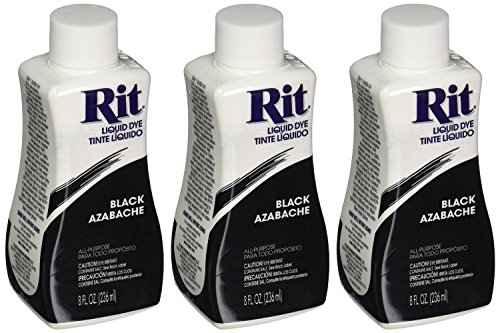
Rit Liquid Fabric Dye is a widely available option that can work on a variety of materials, including some synthetics and nylon, with caution. The product is pre-dissolved, making it convenient for staining unfinished wood and wicker beyond textiles, illustrating its versatility. For polyester applications, use on heat-set blends or prepared synthetic fabrics and follow the product instructions for best results. The liquid format can be appealing for dyeing smaller items, craft projects, or touch-ups where powder handling is impractical.
Practical notes include ensuring fabric is clean and pre-treated as needed, testing a small sample before proceeding, and maintaining consistent heat and agitation during the dye bath. Because the dye can act on multiple surfaces, plan projects with the final look in mind to avoid unintended color transfer or staining on nearby items.
Alumilite Flo Orange Dye for Casting Resin

This dye is designed for casting resins, including polyester-based systems used in crafts and DIY art. It’s highly concentrated, so only a small amount is needed to achieve vibrant color in transparent or translucent resin. Though not a fabric dye, it can be relevant for projects involving polyester resins, molds, and resin crafts where color uniformity and vividness are important. Color consistency is emphasized, requiring thorough mixing to prevent settling and to maintain uniform shade across cured pieces.
Considerations include resin type, curing time, and compatibility with other additives. While not a traditional textile disperse dye, it covers cases where polyester-based resins demand precise color control, making it a useful complement to textile-focused disperse dyes in a broader color toolkit.
Buying Guide: Key Purchase Considerations
- Fiber compatibility: Polyester and other synthetics respond differently to heat and dye chemistry. Look for dyes explicitly labeled for polyester or synthetic fibers to maximize color uptake and evenness.
- Form factor: Disperse dyes come as powders or dissolvable packets. Choose based on your comfort with handling powders and your project scale. Dissolvable packets reduce mess but may require precise timing.
- Shade range and opacity: Metallic or deep shades (e.g., Gun Metal or Violet) offer unique effects, especially on dark or synthetic fabrics. For bold, uniform color, test on swatches first.
- Heat and dye bath: Polyester dyeing typically requires heat to activate color uptake. Maintain consistent temperature and agitation to avoid uneven coloration or blotching.
- Washfastness and repeatability: Consider dyes with proven colorfastness through multiple wash cycles. Some brands advertise the ability to withstand many launderings, which is important for apparel and linens.
- Cross-material use: Some dyes perform well on plastics, nylons, or resins in addition to fabrics. If your project includes multi-material components, look for versatile options with clear usage guidelines.
- Safety and handling: Follow manufacturer instructions for ventilation, protective gear, and cleanup. Dissolvable packets or ready-to-use liquids reduce the risk of accidental spills, but you still need to handle dyes with care.
The choices above provide a spectrum of options from dedicated textile disperse dyes to resin-compatible dyes. For pure polyester fabrics, iDye Poly and the Jacquard iDye Fabric Dye lines are strong starting points, thanks to explicit polyester labeling and user-friendly formats. If your project involves metallic finishes or experimental tones, Gun Metal and Violet shades offer appealing results. For mixed-media crafts or non-fabric surfaces, Rit Liquid Dye and Alumilite resin dyes extend color potential beyond textiles, allowing a broader creative palette.