Choosing the right dust collector for a dental lab can reduce exposure to fine particles, protect respiratory health, and keep benches tidy. Below are five top options, each with strong suction, compact designs, and practical features for dental laboratory tasks such as grinding, polishing, and dust-intensive work. The overview table highlights key specs to compare at a glance.
| Product | Brand | Key Power / Features |
|---|---|---|
| DNYSYSJ 370W Portable Dust Collector | DNYSYSJ | 110V, 370W, compact rectangular box, 70m³/h airflow, -9.8kPa vacuum |
| LVCHEN Dental Lab Grinding Vacuum Cleaner | LVCHEN | 370W, carbon brush motor, adjustable speed, portable under bench |
| BUIFAC 500W Laboratory Vacuum Cleaner | BUIFAC | High suction, adjustable airflow, versatile use with hose or direct port |
| ANEWNICE Kaning Dust Collector | Kaning | 370W, 70m³/h air flow, metal motor housing, 110V |
| DOC.Royal JT-26 / JT-26 Style Dust Collector | DOC.ROYAL | 370W, 17kPa, 70m³/h airflow, compact single-row design |
DNYSYSJ 370W Portable Dust Collector
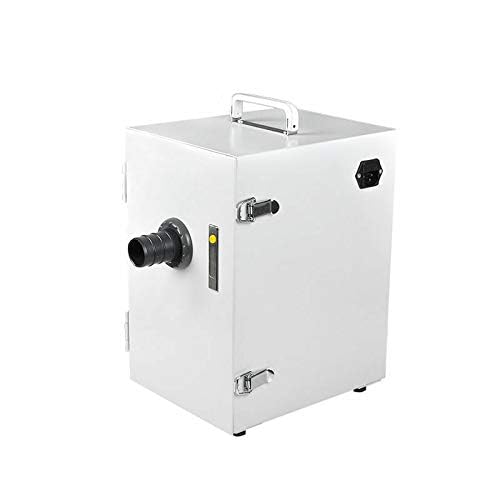
The DNYSYSJ dust collector features a compact rectangular box design with dimensions of 35 x 20 x 35 cm and a weight of 9 kg, making it easy to move with a top handle. It runs on 110V/60Hz and delivers 370W of power, with a maximum airflow of 70 m³/h and a maximum vacuum of -9.8 kPa. The unit emphasizes low-noise operation and cost efficiency, suitable for small to mid-sized dental labs seeking portability without sacrificing suction power.
Key considerations include: true portability for under-bench placement, and a simple maintenance design that keeps the motor accessible. It is best used for handling dust generated during grinding and polishing tasks, helping to keep ambient air cleaner and reducing surface contamination on tools and work surfaces.
LVCHEN Dental Lab Grinding Vacuum Cleaner
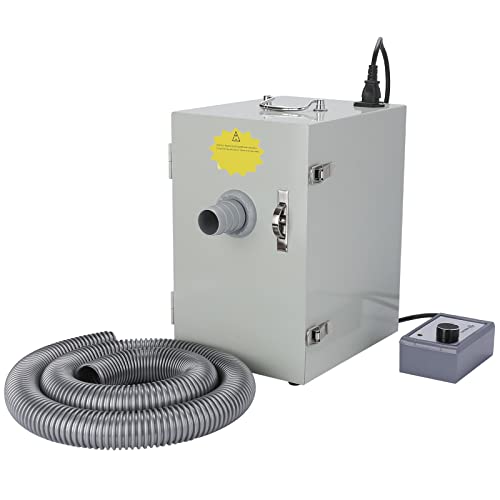
LVCHEN’s unit is designed for grinding tasks, focusing on effective dust extraction and clean air. It uses a rectangular box housing for convenient placement under a bench, with a carbon brush motor and adjustable speed to optimize suction and energy use. The dust-collector bag is accessible for quick maintenance, helping to remove debris and keep the lab environment safer for technicians and patients alike.
Considerations include motor efficiency, noise levels, and the ability to tailor airflow to different grinding materials. Its compact form factor makes it a practical choice for mid-size labs that need reliable dust control without occupying valuable floor space.
BUIFAC 500W Lab Vacuum Cleaner

The BUIFAC model emphasizes strong suction with adjustable airflow, enabling efficient removal of debris, dust, and saliva remnants from work surfaces and tools. It supports multiple usage modes: using a hose with a handheld nozzle, connecting to a universal desktop suction port, or operating directly at a suction port. This versatility suits various lab layouts and cleaning preferences, helping to maintain a clean, hygienic workspace across different dental procedures.
When evaluating this unit, consider the flexibility of hose length, dust-collection efficiency for fine particulates, and ease of maintenance. The model’s higher 500W rating provides robust performance for busier labs or multi-seat clinics where dust generation is frequent and varied.
ANEWNICE Kaning Dust Collector

Kaning’s dust collector is described as powerful with an imported motor, housed in a metal box for durability and dust protection. Specs indicate 110V input, 370W, up to 70 m³/h air flow, 17 kPa maximum air pressure, and 60 dB noise level. The metal construction provides durability in busy dental labs, while the single-row design aims for easy maintenance and straightforward integration into existing benches or stations.
Key considerations include motor longevity in a high-dust environment, reliability of the dust bag, and whether the unit’s noise level remains comfortable during long cleaning sessions. The device is suitable for general dust collection needs in polishing and grinding tasks where robust airflow is beneficial with minimal setup complexity.
DOC.Royal JT-26 Single-Row Dust Collector

The DOC.Royal JT-26 style unit provides 370W of power, a maximum pressure of 17 kPa, and an airflow of 70 m³/h. Its single-row configuration is designed for compact spaces, making it adaptable to smaller dental labs or compact workstations. The combination of solid airflow and a compact footprint supports efficient dust capture during polishing, grinding, and other routine lab tasks.
Purchase considerations include how well the unit integrates with bench-mounted fixtures, ease of filter access, and how it handles continuous use. This model is appropriate for labs needing steady suction without occupying a large footprint, while maintaining straightforward serviceability.
Buying Guide: Key Purchase Considerations For Dental Lab Dust Collectors
Purpose and workspace fit: Evaluate the intended tasks (grinding, polishing, milling) and the bench layout. Compact units are easier to place under benches, while taller models may offer higher filtration capacity for busier labs.
Airflow and suction: Look for airflow ratings around 60–70 m³/h for small to mid-size labs, with higher suction for heavy grinding. A negative pressure capability (kPa range) indicates stronger pickup of fine dust.
Filtration and filtration maintenance: Check filter type (dust bags, cartridges, or HEPA-ready options) and how easy removal and cleaning are. Reusable or washable filters reduce running costs over time.
Noise and ergonomics: Noise levels influence comfort during long sessions. A unit with a stable base, minimal vibration, and easy maneuverability helps maintain a productive workflow.
Durability and warranty: Metal housings and robust motors are preferable in dusty environments. A reliable warranty protects against early motor failure and filter wear.
Power compatibility: Most units operate on 110V in U.S. facilities; verify plug type and any voltage requirements for your workshop.
Upgrade path and accessories: Consider hose length options, additional nozzles/adapters, and compatibility with existing lab fixtures. Some units support direct connection to desktop suction ports for hands-free cleaning.
Overall, the ideal dust collector balances solid suction, compact footprint, ease of maintenance, and a price point aligned with your lab’s usage level. For shared spaces, prioritize quieter models and those with straightforward filter changes to minimize downtime.