Conveyor belt 3D printers enable continuous or batch production, letting makers push large or long prints with improved throughput. This guide highlights top conveyor belt and GT2 timing belt accessories that optimize speed, adhesion, and reliability for American shoppers. Each product is selected for compatibility with common 3D printers, ease of use, and durable materials. Explore practical options for upgrading belt systems, improving bed leveling, and maintaining precise movement across wide print areas.
| Product | Brand | Approx. Length / Width | Key Benefit |
|---|---|---|---|
| Official IdeaFormer-3D IR3 V2 Conveyor Belt 3D Printer | IdeaFormer-3D | 250×250×∞mm | Endless Z-axis printing with auto calibration |
| HANGLIFE GT2 Timing Belt with Copper Buckle | Hanglife | 2mm pitch, 6mm width, 2M | Durable, low-noise, reliable belt for precise movement |
| HICTOP 3D Printer Belt GT2 Belt 5 Meters | HICTOP | 6mm wide, 2mm pitch | Long belt length, versatile printer compatibility |
| Zeelo 3D Printing GT2 Timing Belt | Zeelo | 10M, 6mm width, 2mm pitch | High-flexibility, suitable for multiple printers |
| MOTOU 5M GT2 Timing Belt | MOTOU | 5M length, 6mm width, 2mm pitch | Upgraded anti-slip, durable and stable |
Note: Each product below is linked to its Amazon listing for easy viewing and purchase. Images are provided to help you identify the exact model when shopping for upgrades or replacements.
Official IdeaFormer-3D IR3 V2 Conveyor Belt Printer

The IR3 V2 uses a rolling conveyor belt to enable continuous Z-axis printing, supporting large-scale projects or batch production. Its upgraded metal conveyor belt features a durable PEI coating to improve layer adhesion across multiple filaments, including PLA, PETG, ABS, TPU, ASA, and more. A standout feature is the one-click auto-calibration with a Y-offset strain sensor, reducing manual bed leveling time and improving first-layer success rates. This setup is ideal for users prioritizing automation and scalable prints.
HANGLIFE GT2 Timing Belt With Copper Buckle

Hanglife’s GT2 timing belt combines nylon jacket, neoprene rubber, and fiberglass reinforcement for longevity and resistance to high temperatures and chemical exposure. It’s designed for quiet operation with minimal dust, contributing to smoother motion and better print consistency in belt-driven drives. This belt supports a wide range of 3D printers, making it a reliable upgrade for improved motion accuracy and reduced maintenance over time.
HICTOP GT2 Belt 5 Meters
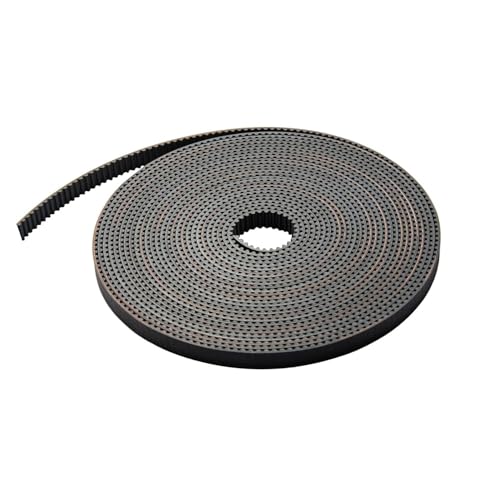
HICTOP’s GT2 belt comes in a long 5-meter length, offering flexibility for printers with larger work areas or those needing replacements across multiple axis. The belt’s GT2 specification (2mm pitch, 6mm width) is a standard in many RepRap-style machines, allowing straightforward installation. Its durability and compatibility make it a practical upgrade for ensuring consistent drive accuracy and reduced risk of belt stretch during long prints.
Zeelo 3D Printing GT2 Timing Belt

Zeelo’s 10-meter GT2 belt provides ample length for custom setups or multiple printers in one workspace. The belt features 2mm pitch and a 6mm width, with rubber fiberglass reinforcement that resists wear and maintains elasticity. This makes it suitable for heavy-duty prints or setups where frequent belt changes would interrupt production, delivering reliable performance over extended usage.
MOTOU 5M GT2 Timing Belt
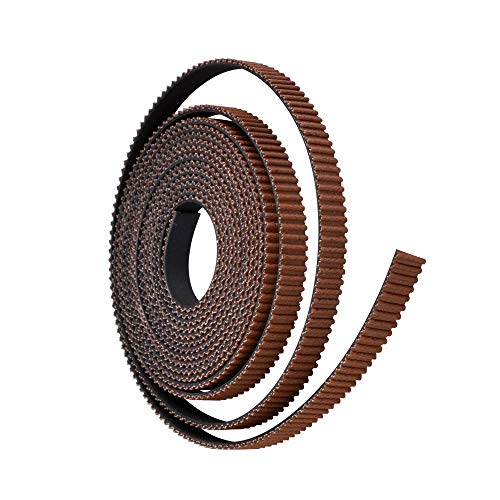
The MOTOU GT2 belt features an upgraded anti-slip design for more stable transmission, combining high precision and a robust anti-extension framework. This belt is designed to minimize slipping and improve print accuracy in belt-driven extruders and axis assemblies, contributing to consistent layer alignment across longer prints. Its durability supports longer service life in busy printing environments.
Buying Guide
Key purchase considerations
When selecting conveyor belt or GT2 timing belt upgrades for a 3D printer, consider compatibility with your machine’s axis dimensions, belt pitch (commonly 2 mm for GT2), width (6 mm is standard), and overall system tension. Long belts can simplify replacements across multiple axis but require careful installation to avoid skew or misalignment. Materials like reinforced rubber and PTFE coatings offer tight grip and reduced wear, which help sustain print quality over time.
Performance and reliability
Durability is essential for frequent or batch printing. Look for belts with fiberglass reinforcement, low stretch, and corrosion resistance. For belt-driven beds or conveyors, quieter operation and smooth motion directly translate to more consistent first layers and fewer print failures. Auto-calibration features in belt printers can reduce setup time and improve bed leveling accuracy, especially for large-format builds.
Compatibility and ecosystem
Check whether the belt model supports your printer brand and model family. GT2 belts are widely interchangeable across many RepRap, Ender, CR-10, and Kobra-based machines, but integration with existing pulleys, idlers, and belt clips matters. If you operate multiple printers, longer belts may cover more axis needs without frequent replacements.
Cost and long-term value
While price matters, evaluate total cost of ownership including wear resistance, replacement frequency, and potential downtime. Upgraded anti-slip designs or reinforced belts can reduce calibration time and improve print reliability, offering savings over time even if upfront costs are higher.
Installation and maintenance
Follow manufacturer installation notes to tension belts appropriately—too tight or too loose can cause skipped steps or premature wear. Regular inspection for frayed edges, glazing, or glazing of pulleys helps prevent unexpected failures. Keeping belts clean and dry reduces dust build-up that can affect movement and precision.
These selections provide a balanced mix of conveyor belt capabilities and GT2 timing belts to support both large-format and high-throughput 3D printing workflows. Whether upgrading an all-in-one belt printer or standard belt-driven machines, choosing durable materials, proven compatibility, and thoughtful installation will help maximize uptime and print quality.