Selecting the right chlorine injection setup ensures safe, taste-clean well water and steady disinfection performance. The following five products are designed to inject precise chlorine doses, handling residential to small- to mid-size needs. Each option emphasizes reliability, compatibility with well systems, and straightforward operation to support consistent water quality at home.
| Product | Brand | Key Benefit | Best For |
|---|---|---|---|
| Stenner Peristaltic Pump 85mhp17 | Stenner Pump Company | Adjustable flow: 0.8–17 GPD, 100 psi | Precise chlorine dosing for larger homes or higher-flow wells |
| WELL SAFE Well Sanitizer Kit | WELL SAFE | Easy DIY disinfection and odor removal | Quick sanitation and maintenance without complex equipment |
| Precision Controls Diaphram Metering Chlorine Pump | Generic | Diaphragm metering with high-pressure capability | Reliable metering for diverse well configurations |
| Better Water Industries C21044 Chlorine Pellets | Better Water Industries | Pellet chlorine source for automatic chlorinators | Pellet-based chlorination compatibility |
| Injection Valve for 3/8″ Tubing | Generic | Universal injection valve with backcheck | Simple integration into existing chlorine systems |
Stenner Peristaltic Pump 85mhp17

The Stenner 85MJH2A2S adjustable head pump provides a variable dosing range from 0.8 to 17 gallons per day (GPD) at up to 100 psi. Its Santoprene tubing and 20 feet of 1/4″ tubing support flexible chlorine injection into well systems, delivering consistent metering for residential disinfection. Ideal for homes with moderate to higher water usage where stable concentration control is important.
WELL SAFE Well Sanitizer Kit
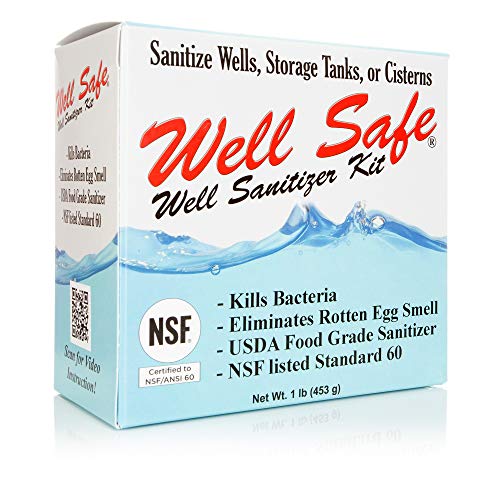
The WELL SAFE Well Sanitizer Kit is designed for straightforward disinfection of wells, storage tanks, and cisterns. It supports elimination of foul odors and rotten egg smells by addressing bacteria and sulfate-related bacteria. The kit emphasizes ease of use with clear DIY instructions and does not require ongoing filtration or professional maintenance between treatments.
Precision Controls Diaphram Metering Chlorine Pump

This diaphragm metering chlorine pump delivers reliable dosing with a practical 31.6 GPD maximum and supports up to 150 psi. It includes a 115V power cord and plug and offers 230V compatibility for different electrical setups, making it suitable for varied well water configurations and local codes.
Better Water Industries C21044 Chlorine Pellets
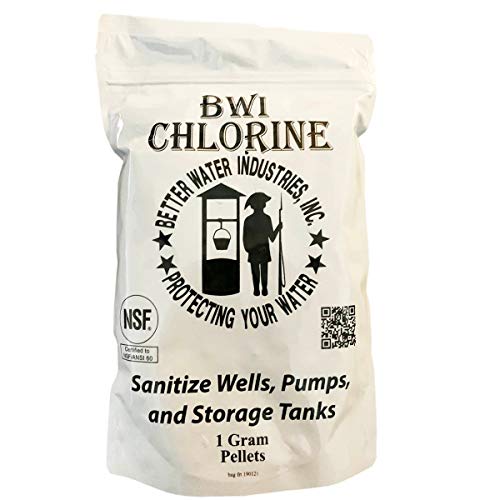
These chlorine pellets are formulated for automatic chlorinators and offer broad applicability for well systems. They’re designed for use with compatible chlorination equipment, enabling dependable chlorine delivery for residential disinfection and water quality management without requiring complex handling.
Chlorine Well/Pool SANITIZER PELLETS (2X) PENTAIR LP-3000

These sanitizer pellets are compatible with LAND-O-MATIC LP-3000 or similar dry pellet chlorinators and can also suit pools and ponds. They provide a straightforward chlorine source for well water systems that rely on pellet-based injection for disinfection cycles and ongoing water treatment cycles.
Injection Valve for 3/8″ Tubing

This universal injection valve fits 3/8″ OD tubing and includes a back check valve, with overall dimensions suitable for compact integration into chlorine dosing lines. It’s a practical component for ensuring reliable backflow prevention and controlled injection in small to mid-size well water systems.
Buying Guide
Key purchase considerations for chlorine injection systems include dosing accuracy, system compatibility, and maintenance needs. Dosing accuracy depends on pump design, tubing material, and feed volume control. Look for pumps with adjustable GPD ranges and materials such as Santoprene that resist chemical wear. Compatibility matters: confirm flow rates and peak pressures match your well size and the desired disinfection level. Consider ease of installation, availability of spare parts, and whether the unit supports upgrades like digital metering or automatic backwashing. Finally, assess maintenance frequency, protective enclosures, and warranty terms to ensure long-term reliability in varying well water conditions.
Overview of perspectives:
- Pros of pump-based injection: precise dosing, scalable for different water demands, good control over chlorine residuals.
- Pros of pellet-based or sanitizer kits: straightforward chemical source, simple maintenance, cost-effective for smaller homes or temporary setups.
- Trade-offs: higher upfront equipment cost for pump systems versus ongoing chemical management with pellet kits; complexity vs. ease of use.
- Safety and compliance: ensure proper handling, storage, and local regulations for chlorine use in well systems.