Finding the right chemical feed pump for well water helps maintain water quality, protects plumbing, and ensures safe, consistent dosing. This article highlights five dependable options, covering peristaltic pumps, diaphragm metering pumps, and alternative dosing devices suitable for well systems. Each product is evaluated on reliability, flow range, pressure tolerance, and ease of use to help you choose a model that fits your well’s chemistry and maintenance schedule.
Summary of chosen products:
| Product | Brand | Key Benefit | Typical Application |
|---|---|---|---|
| Stenner Peristaltic Pump 85mhp17 | Stenner Pump Company | Wide adjustable dosing from 0.8 to 17 GPD, high pressure | Chlorine or chemical injection for well water |
| Precision Controls Diaphram Metering Chlorine Pump | Generic | High accuracy metering, up to 150 PSI | Chlorine dosing in water systems |
| Stenner Peristaltic Pump 4.3-85 GPD | Stenner Pump Company | Robust, smooth output, versatile applications | Well water chemical dosing |
| Dodoam Adjustable Fertilizer Injector | Dodoam | Water-powered, proportional dosing without electricity | Chemical dosing in irrigation and water lines |
| Hayward CL2002S In-line Automatic Chemical Feeder | Hayward | Automatic release and secure dosing for inline systems | Pool/spa but adaptable to inline chemical feeding |
Stenner Peristaltic Pump 85mhp17 — Adjustable Head, 0.8 to 17 GPD

The Stenner 85mhp17 is a variable-output peristaltic pump designed for precise chemical dosing in water systems. Its adjustable head supports a dosing range from 0.8 to 17 gallons per day, enabling contractors to tune chlorine or other chemical injections to match fluctuating well flow. Maximum pressure capabilities reach up to 100 PSI, helping push chemicals through longer feed lines or small-diameter tubing. The pump uses a Santoprene tubing set with 20 feet of 1/4″ tubing, which offers durability in chlorine-containing solutions. This model suits scenarios requiring responsive, reliable metering with straightforward maintenance.
Key considerations: Its simple mechanical design minimizes electrical components, which can reduce failure points in remote well installations. Consider the gas-tight compatibility of Santoprene with your chemical lineup and whether your feed line length and elevation changes require the higher end of the pressure rating. For best results, pair this pump with a compatible injection valve and ensure regular tubing inspection to prevent leaks or occlusion.
Precision Controls Diaphram Metering Chlorine Chemical Water Pump

This diaphragm metering pump delivers consistent chlorine dosing with substantial pressure tolerance up to 150 PSI, making it suitable for well water treatment lines that require steady chemical input under varying flow. The unit ships with a standard 115-volt cord and plug, and a 230-volt option is available for hardwired installations. Its design emphasizes precision and reliability, essential for maintaining residual chlorine levels in household wells or irrigation systems connected to well water supplies.
Key considerations: Review compatibility with the chemical being dosed, particularly oxidizers and chlorinating agents. Check that the available power setup (115V vs. 230V) matches your electrical panel. Regular calibration and inspection of seals will help prevent drift in dosing accuracy and extend pump life in harsher water chemistries.
Stenner Peristaltic Pump 4.3-85 GPD, 25 PSI

The Stenner 4.3-85 GPD pump is built for robust duty, providing a wide dosing range and reliable output. Its 25 PSI operating pressure suits many well water injection setups where lift and line friction are modest. The unit is designed for heavy-duty use across multiple applications, including chlorine injection and other chemical metering tasks. Its peristaltic design protects the pumped chemical from contamination, since the fluid only contacts the tubing.
Key considerations: While the 25 PSI rating covers many residential applications, taller or longer feed lines may require a higher pressure model. Ensure the tubing material is compatible with the specific chemical used (chlorine, acid, or bases). Regular tubing replacement is recommended to maintain dosing accuracy and pump integrity.
Stenner Pump Company UCDBINJ Injection Check Valve 1/4-Inch

This injection check valve ensures reliable, backflow-protected dosing in 1/4-inch configurations. Manufactured to high standards, it contributes to safe, steady chemical injection by preventing reverse flow, which can occur in pump-and-tlooder setups or fluctuating line pressures. While not a pump, this valve is a critical accessory for well-water chemical injection systems, helping protect pumps and downstream equipment from unintended chemical backflow.
Key considerations: Confirm compatibility with your pump model and tubing size. Consider the overall system layout to minimize potential dead zones where backflow could occur. Regular valve inspection for wear, seating, and potential chemical attack will help sustain long-term performance.
Stenner Pump Company UCINJ38 Injection Check Valve 3/8-Inch

The UCINJ38 offers a larger 3/8-inch injection check valve option for higher-flow injections or systems with bigger piping. Like other injection valves, it supports preventing backflow and maintains consistent dosing performance. Its construction emphasizes durability and reliability, aligning with well-water treatment setups that require steady chemical transfer over extended periods.
Key considerations: Size and seating must match your feed piping and pump outlet. Larger valve sizes may introduce minimal pressure losses; account for these in overall system design. Regular checkups of the valve’s seat and seals will help ensure long-term performance in aggressive chemical environments.
Whale GP0550 Gusher Galley Pump — Manual Freshwater

The Whale GP0550 is a manually operated freshwater pump designed for galley use with a foot pedal, offering a simple, reliable way to dispense water in tight spaces. While not a chemical dosing pump, it adheres to a broader category of inline water handling devices and can inform considerations for pump placement, ease of manual operation, and compatibility with non-electrical feed scenarios when well water systems must rely on manual injections or topping off with basic fluids.
Key considerations: For well-water chemical dosing, this pump is not a direct substitute for automatic chemical feeders, but its design showcases practical inline pumping principles. In scenarios requiring automated dosing, this unit can inspire ergonomic placement and user interaction planning for remote locations where electricity is limited.
Dodoam 0.4%~4% Adjustable Fertilizer Injector
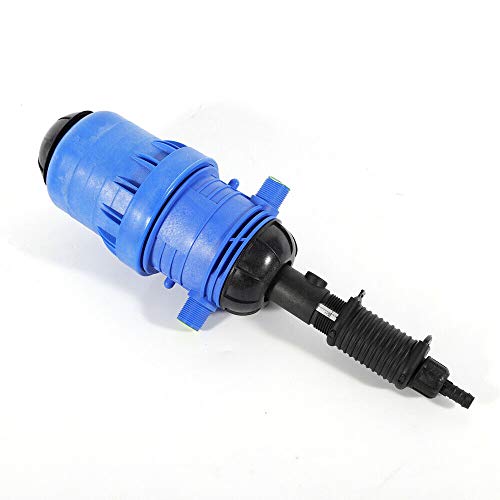
The Dodoam adjustable fertilizer injector is a water-powered doser that does not require electricity to operate. Its proportional injection design ensures that the dose scales with the water flow, maintaining consistent concentration in line with water entering the system. This makes it appealing for well-water setups where electrical access is limited or where a low-maintenance, passive dosing solution is preferred.
Key considerations: Verify chemical compatibility with your well’s treatment needs. The absence of electrical power can be an advantage in remote locations, but installation must ensure stable water pressure and predictable flow. Regular checks should validate proportional dosing accuracy, and you may need supplementary filtration or pre-treatment to avoid clogging the injector.
Buying Guide: Key Purchase Considerations And Comparisons
- Flow rate and dosing range: For well water, select a pump with a dosing range that matches your treatment plan and fluctuating well flow. Peristaltic pumps offer wide adjustability, while diaphragm meters excel in precise, stable dosing under higher pressure.
- Pressure tolerance: Consider the maximum system pressure and the elevation or length of feed lines. Pumps rated higher in PSI provide more flexibility for challenging layouts or long runs.
- Power source and installation: Decide between electric-powered metering pumps and passive, water-powered injectors. In remote locations, a non-electric solution can reduce maintenance, but ensure it meets dosing accuracy requirements.
- Materials compatibility: Check tubing and wetted parts for chemical resistance against chlorine, oxidizers, acids, or bases in your well water treatment regime. Santoprene and similar elastomers are common, but compatibility varies by chemical.
- Maintenance and accessibility: Pumps in remote wells benefit from straightforward maintenance routines and readily available replacement parts, such as tubing, check valves, and seals.
- System integration: Ensure compatibility with existing injection valves, check valves, and inline chemical feeders. A cohesive system reduces the risk of backflow, leaks, or dosing drift.
- Reliability and warranty: Look for pumps with proven track records and parts availability. A robust warranty and easy access to service centers help minimize downtime.
- Safety and compliance: Follow local water-use regulations and ensure chemical handling and dosing meet safety guidelines, including proper containment and venting where required.