Finding a reliable cement bag packing machine can streamline bulk packaging in warehouses, construction sites, and chemical plants. This guide reviews five top-rated options that emphasize speed, durability, and portability, helping facilities choose a tool that fits their workflow. Below is a quick summary of the featured products, followed by detailed sections and a practical buying guide.
| Product | Brand | Key Benefit |
|---|---|---|
| DOIBG Handheld Electric Sack Packing Machine | DOIBG | High-efficiency sealing, portable power |
| Moonshan Bag Sewing Machine 2s/bag | Moonshan | Fast, durable, suitable for industrial bags |
| Yokoma 110V Portable Bag Stitcher | Yokoma | On-site mobility with strong performance |
| Cyuanll Mini Bag Closing Machine | Cyuanll | Upgraded battery, fast sealing |
| Moonshan Cordless Bag Closing Machine | Moonshan | Cordless convenience, high capacity |
DOIBG Handheld Electric Sack Packing Machine

The DOIBG handheld unit is designed for rapid bag sealing in industrial settings. With a sealing speed of approximately two seconds and a capacity to process more than 5,000 bags per day, it emphasizes throughput. The tool runs on a 36V battery and features a copper motor for durability, along with a robust aluminum and alloy body. Two cutting methods—manual and automatic—provide flexibility in line logistics, making this model suitable for cement, grain, and chemical packaging workflows where quick closure and reliability matter.
Moonshan Bag Sewing Machine 2s Per Bag
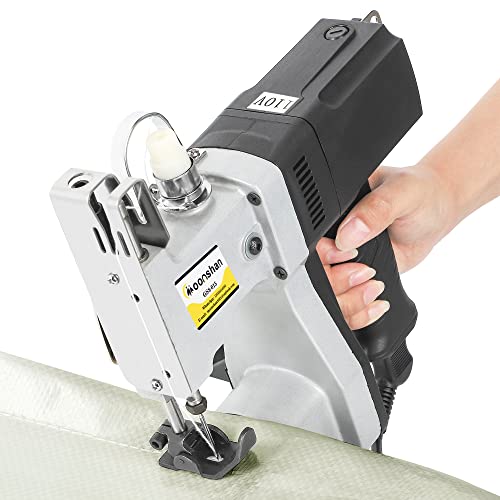
The Moonshan bag closer is a portable, high-speed packaging tool designed for non-woven and woven bags, including leather and paper variants. It can process more than 5,000 bags per day with a consistent 2-second per bag cycle and 2600 stitches per minute. Powered by a 190W motor, this model supports a thickness range of 0.3–5mm and features a compact, 6.4-pound design with an ergonomic handle for extended use across factories and packaging stations.
Yokoma 110V Portable Bag Stitcher

Yokoma’s 110V handheld stitcher targets on-site efficiency for cement, fertilizer, and other heavy materials. Its compact design supports one-handed operation, enabling workers to hold bags steady while stitching. The device handles thick materials up to 0.16 inches, with a stitch spacing of 0.27–0.33 inches and a steady 1250 RPM. This combination is ideal for facilities seeking mobility without sacrificing seam strength in rugged packaging applications.
Cyuanll Mini Bag Closing Machine

This upgraded Cyuanll model features a wireless lithium battery and a powerful copper motor. With a 36V 2.6Ah pack, it operates without wires, enabling flexible use in locations lacking power outlets. The machine delivers a sewing speed of 1500–1700 stitches per minute and can reach up to 1800–2100 stitches per minute with automatic thread break. It supports 0.2–10mm thickness and 6–11mm needle width, packaged in a sturdy aluminum alloy body for durability in industrial environments.
Cyuanll Blue Bag Closer Machine

The second Cyuanll model in the lineup emphasizes a cordless approach with similar specifications to the other Cyuanll unit. It offers a 36V battery, high-speed operation, and a robust aluminum alloy build. Its 0.2–10mm sewing thickness and 6–11mm needle width support a broad range of packaging materials, including burlap, PP woven, and kraft papers, making it adaptable for varied cement and industrial bagging tasks.
The Cement Solution Concrete Mixing Bag
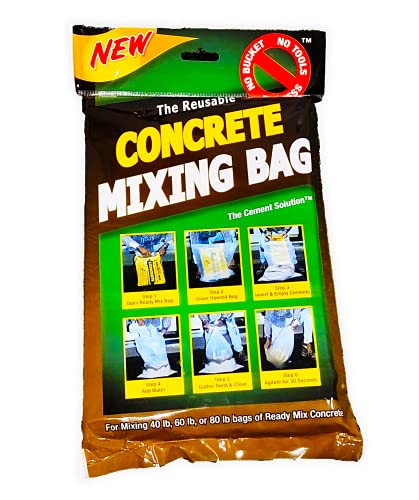
The Cement Solution Concrete Mixing Bag is a specialized item within the cement packaging ecosystem, offering a bag option geared toward cement mixing and storage. Note that cement is not included. This product complements bag closing machines by providing compatible containers and packaging strategies for cement and related materials in industrial environments.
Buying Guide
Key purchase considerations focus on application needs, mobility, and durability. The following perspectives help align a bag packing solution with specific workflows:
- Power and mobility: Corded units deliver consistent power but limit placement, while cordless models enable on-site sealing away from outlets. Consider battery life, recharge time, and whether a cable-free tool is essential for your operation.
- Material compatibility: Packaging materials vary from cement bags to woven polypropylene and burlap. Check the maximum sewing thickness and needle width to ensure reliable seams for your typical bag type.
- Throughput vs. control: High-speed machines boost daily output but may require training. Some models offer fixed-speed operation, while others provide adjustable speed controls for different bag weights and textures.
- Durability and construction: Industrial environments demand robust frames, copper motors, and corrosion-resistant housings. Aluminum bodies and alloy components typically provide longevity in dusty or humid settings.
- Portability and ergonomics: Lightweight handheld and backpack-style tools reduce worker fatigue. Look for ergonomic handles, balance, and weight that suits your team’s workflow duration.
- Maintenance and service: Access to spare parts, local service centers, and warranty terms influence downtime. Consider brands with clear service networks and readily available components.
- Operational constraints: Some machines are designed for on-site use only and should not be applied to household or consumer-grade tasks. Confirm recommended bag types and operating environments in product specifications.
For facilities evaluating options, a practical approach is to match machine capabilities with daily bag closure targets, bag material rigidity, and the need for mobility. Prioritize models with strong motor performance, durable housings, and flexible cutting or threading options to minimize line interruptions. A balanced combination of speed, reliability, and ergonomic design typically yields the best overall return on investment for cement, grain, and chemical packaging operations.