For builders, fabricators, and structural projects, C channel steel combines strength, versatility, and ease of fabrication. This guide highlights five reliable C channel options across common sizes and weights, with practical notes on use cases, cutting, welding, and load distribution. Readers will find quick comparison points and a buying guide to help align product selection with structural needs, project scope, and fabrication capabilities.
| Product | Brand | Size / Description | Notes |
|---|---|---|---|
| MSP Metals A36 C4 x 5.4# | MSP Metals | C4 x 5.4#, 1.584″ width, 0.184″ web, 36″ cut | Hot rolled, ASTM A36, standard channel profile |
| Des Moines Steel C-Channel 6″ x 8.2# | DMS DES MOINES STEEL CO. | 6″ depth, 8.2 lbs/ft | Hot-rolled, Grade A36, fabrication-friendly |
| Des Moines Steel C-Channel 4″ x 7.25# | DMS DES MOINES STEEL CO. | 4″ depth, 7.25 lbs | Versatile for structural and repair jobs |
| MSP Metals C3 x 5# | MSP Metals | C3 x 5#, 1.498″ width, 0.258″ web, 12″ length | Standard channel, hot rolled, uniform thickness |
| Rocaris C Channel A36 | Rocaris | 1.85″ depth, 1.2″ flange, 0.1″ web, 12″ length | U-shaped cross-section, clean cut, coated |
style=”margin-top:28px;”>MSP Metals A36 C4 x 5.4#

The American Society for Testing and Materials A36 hot-rolled carbon steel C channel is a common structural element in commercial and residential construction. The C4 x 5.4# designation indicates a standard channel depth paired with a weight class suitable for moderate load bearing. The product is designed with uniform flange thickness to promote even load distribution and predictable performance during welding, bolting, or riveting. Hot-rolled processing enhances formability, enabling on-site adjustments and fabrication flexibility for frames, brackets, and supports.
Key features include a consistent channel profile, structural grade material, and straightforward compatibility with common fabrication tools. When selecting this size for a project, consider spanning capabilities, connection details, and the available fabrication equipment. Maintenance typically involves basic corrosion protection for outdoor use and inspection of welds and fasteners over time.
style=”margin-top:28px;”>C Channel With A36 Steel: 36-Inch Cut Length
Reference features emphasize the ASTMA36 hot-rolled grade, versatile manufacturing, and standard channel design. This option is suitable for structural frames, supports, and fabrication projects where predictable load transfer is essential. The product’s dimensions—depth, width, and web thickness—offer a basis for preliminary structural calculations and quick prototyping in shop environments.
style=”margin-top:28px;”>Des Moines Steel C-Channel 6″ x 8.2#

This 6″ depth channel weighs 8.2 pounds per foot and is manufactured to tight specifications for consistent structural performance. As a hot-rolled A36 product, it demonstrates good weldability and formability, enabling its use in frames, rails, guards, and heavy-duty bracing. The heavier profile supports higher load paths while maintaining straightforward installation practices with standard hardware.
Design considerations include alignment with other structural members, proper bracing to resist bending moments, and attention to corrosion protection in exterior environments. For longer spans, ensure adequate support spacing and assess deflection under expected loads. This size is well-suited for industrial racks, mezzanine supports, and equipment frames.
style=”margin-top:28px;”>Des Moines Steel C-Channel 4″ x 7.25#

This 4″ channel provides robust versatility for a broad range of structural applications, fabrication tasks, and repairs. The C-shaped profile distributes loads efficiently, benefiting both horizontal and vertical support scenarios. It is easy to weld, cut, form, and machine with standard shop tools, which supports rapid fabrication workflows and on-site adjustments where needed.
Potential uses include brackets, light structural frames, and support members for machinery or shelving. When integrating this channel into a larger assembly, plan for compatible fasteners, joint details, and surface protection to extend service life in challenging environments.
style=”margin-top:28px;”>MSP Metals C3 x 5#
The C3 x 5# size offers a compact, lighter channel option with a 1.498″ width and a 0.258″ web thickness. This profile is often used for lighter framing, brackets, and non-load-bearing supports where ease of handling and rapid installation are priorities. Maintaining consistent welds and accurate cuts helps ensure stable connections in small or intricate assemblies.
The product uses hot-rolled carbon steel in accordance with typical structural standards, promoting compatibility with standard fabrication practices. When applying this channel in a project, consider the necessary bracing, load paths, and joint configurations to maintain overall rigidity and alignment throughout the structure.
style=”margin-top:28px;”>Rocaris C Channel A36 Hot Rolled
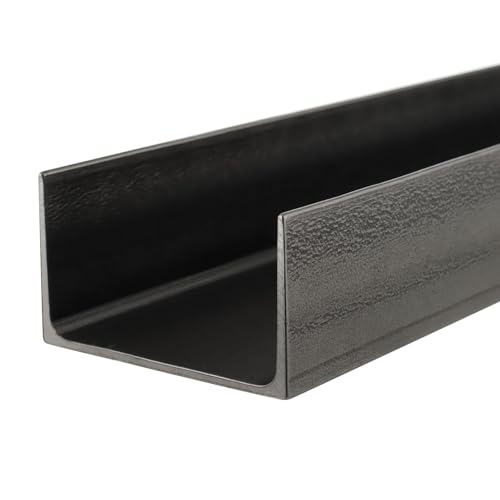
Rocaris offers an A36 hot-rolled C channel with a 1.85″ depth and 1.2″ flange width, accompanied by a 0.1″ web thickness and a 12″ cut length. The distinctive U-shaped cross-section provides robust rigidity and predictable load distribution for structural applications, frames, and supports. Surface treatment includes rust prevention steps before shipment, which aids in reducing initial corrosion risk during handling and installation.
Applications include light-to-moderate structural framing, equipment support, and bracket assemblies. When working with this size, ensure accurate alignment during welding and bolting, and verify compatibility with other members to maintain straight, true assemblies throughout the project life cycle.
style=”margin-top:28px;”>Buying Guide: Key Purchase Considerations
- Material grade and process: A36 hot-rolled carbon steel is common for structural use due to its formability and weldability. Verify that the grade matches project specifications and engineering requirements.
- Profile and dimensions: Choose depth, width, and web thickness to align with load paths and moment demands. Thicker webs and deeper channels suit heavier loads, while lighter profiles fit lighter framing or fabrications.
- Length and cut options: Pre-cut lengths save field time but consider splicing and end treatments. Confirm whether the product comes in standard lengths or needs custom cutting.
- Fabrication compatibility: Ensure compatibility with welding, bolting, and machining capabilities. Some profiles weld more cleanly than others depending on thickness and edge quality.
- Corrosion protection: For outdoor or high-moisture environments, consider protective coatings or corrosion-resistant finishes, especially if surfaces will be exposed to weather or salt-containing atmospheres.
- Load distribution and connection design: Plan joints, gussets, and bracing to achieve uniform load transfer. The channel’s geometry influences where stiffness is most needed.
- Availability and lead time: Check supplier lead times and stock levels, particularly for standard profiles (C3, C4, 4″ and 6″ channels) to avoid project delays.
- Cost-to-performance balance: Weigh higher-profile channels against project demands. Larger channels provide greater bending resistance but require more material and heavier fabrication tools.
- Documentation and standards: Ensure that the chosen products meet applicable codes and standards for your jurisdiction and project type (industrial, commercial, or residential).
Overall, selecting the right C channel involves balancing structural requirements, fabrication practicality, environmental exposure, and project timeline. The five products highlighted here cover a spectrum of depths, weights, and lengths to help inform decisions for typical construction and fabrication tasks.