Choosing a reliable bus bar bending machine can streamline electrical installations, panel fabrication, and maintenance work. This guide highlights top options that deliver strong hydraulic force, wide bending capacity, and angle accuracy for copper, aluminum, iron, and stainless steel bus bars. Each product section includes a quick-look summary and practical considerations to help facilities choose the right tool for on-site or workshop use.
| Product | Brand | Width Capacity | Max Bending Thickness |
|---|---|---|---|
| Hydraulic Busbar Bender (8″) | HYDRAFORE | 200 mm | Copper/Aluminum 12 mm; Iron 8 mm; Stainless 6 mm |
| Lfhelper CB-200A | Lfhelper | 200 mm | Copper/Aluminum 12 mm; Iron 8 mm; Stainless 6 mm |
| Hydraulic Busbar Bender with Angle Indicator | Generic | 200 mm | 12 mm copper/aluminum; 8 mm iron; 6 mm stainless |
| SOFEDY 20T CB-200A | SOFEDY | 200 mm | Copper/Aluminum 12 mm; Iron 8 mm; Stainless 6 mm |
| SUDEG Hydraulic Busbar Cutter/Bender | SUDEG | 200 mm | Copper/Aluminum 12 mm; Iron 8 mm; Stainless 6 mm |
Below are five focused product profiles, drawing on widely used models that balance power, durability, and ease of use for professionals working with copper, aluminum, and steel bus bars. Each section provides a practical view of features and how they translate to real-world tasks.
Hydraulic Busbar Bender (8″) By HYDRAFORE
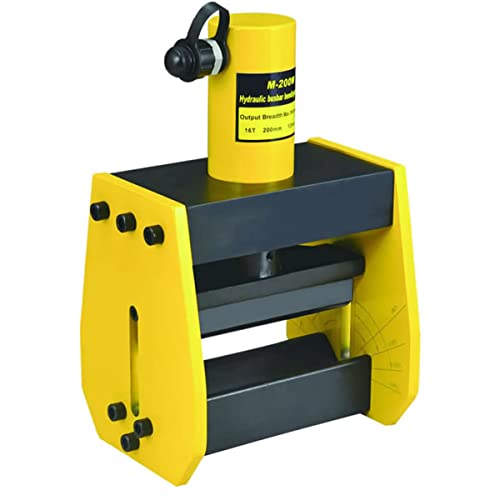
The HYDRAFORE Hydraulic Busbar Bender offers a compact 8-inch bending width designed for copper and aluminum bus bars, with a robust construction intended for professional use. The tool provides etched degree indicators for accurate angle control, helping users achieve precise bends with repeatable results. Quick setup reduces on-site downtime, making it suitable for field crews and shop floors alike. The 20-ton-plus hydraulic capability supports thicker sections while maintaining smooth operation, aligning with standard electrical installation standards.
Lfhelper CB-200A Hydraulic Bus Bar Bender

The Lfhelper CB-200A combines a 20-ton hydraulic system with a 200 mm bending width, enabling bends in copper and aluminum up to 12 mm thick and iron up to 8 mm. It supports stainless steel up to 6 mm and emphasizes a smooth bending surface for reliable electrical conductivity. Power sources vary, as the output can be used with hand, foot, or electric pumps, offering on-site flexibility. This model is well-suited for workshops handling diverse metal types and thicknesses.
Hydraulic Busbar Bender With Angle Indicator

This all-in-one metal forming tool handles copper, aluminum, and iron plates with a built-in 20-ton hydraulic system. It supports a 200 mm width and provides a smart angle indicator to ensure precise bends, which reduces material waste and rework. The design is intended for industrial production lines as well as field repairs, where dependable performance and repeatable results matter most. It also accommodates various pumping options to fit different job sites.
SOFEDY 20T Hydraulic Busbar Bender
The SOFEDY 20T model emphasizes a robust hydraulic drive to generate up to 20 tons of bending force. It supports busbars up to 200 mm wide and can bend copper and aluminum up to 12 mm, iron to 8 mm, and stainless to 6 mm. Compatibility with various pump types broadens its usability on different work sites, with a straightforward quick-connector system for rapid setup. The tool is positioned for heavy-duty electrical installations and maintenance tasks that require dependable performance across a range of materials.
Generic CB-200A Hydraulic Busbar Bender
This Generic CB-200A is designed to bend copper, aluminum, and iron sheets with a similar 200 mm width and range of thicknesses as other 20-ton units. It features an enhanced hydraulic system that supports hand, foot, or electric pumps to produce up to 20 tons of pressure. The precision angle gauge helps maintain consistent bends, which is critical for electrical reliability and repeatable manufacturing workflows. It is suited for maintenance teams seeking a dependable, multi-material tool with straightforward operation.
SUDEG Hydraulic Busbar Cutter/Bender

The SUDEG model combines cutting and bending capabilities in a 20-ton system designed for copper and aluminum rows, iron plates, and similar materials. A quick connector simplifies pump attachment, and a plastic protective sleeve guards against dust ingress during operation. This unit is particularly useful for shops performing integrated metal shaping and finishing, where compact footprint and reliable hydraulic performance are valued for consistent, high-quality bends.
Buying Guide: Key Considerations For Your Bus Bar Bending Tool
- Material compatibility: Most models handle copper and aluminum well, with iron and stainless steel supported to varying thicknesses. Confirm the maximum bending thickness for your typical materials to avoid tool overload or excessive wear.
- Hydraulic system and power source: Tools in this category commonly offer 20-ton capacity. Check whether they are compatible with hand, foot, or electric pumps to match jobsite power availability and operator preference.
- Width and bend radius: A 200 mm width is common and suits many bus bar configurations. Consider your required bend radii and whether the tool allows precise, repeatable angles via a built-in gauge or angle indicator.
- Setup and workflow: Quick assembly, modular design, and snap-fit components can reduce on-site downtime. Evaluate how easily a unit can be integrated into existing workstations or service trucks.
- Durability and maintenance: Look for robust construction and durable materials, plus accessible parts for routine maintenance. Dust protection sleeves and smooth bending surfaces help extend tool life and performance.
- Accessories and compatibility: Assess pump options and connectors—quick-connect fittings and compatible pump types broaden practical use in different environments.
When selecting a bus bar bending machine, balance tool power with material requirements, space constraints, and operational flexibility. For production settings, a model with stable 20-ton capacity, wide width, and precise angle control minimizes rework. For field service, portability, quick setup, and pump versatility are equally important. The products reviewed here reflect common configurations that many electrical contractors and metal shops rely on for consistent, code-compliant bends.