Choosing the right actuator for butterfly valves ensures precise control, fast response, and reliable operation in industrial and sanitary environments. This guide highlights five high‑performing options that pair well with sanitary tri-clamp butterfly valves, covering pneumatic and electric actuation. You’ll find key specifications, material compatibility, and operating ranges to help you compare options for food processing, pharmaceuticals, and general automation applications.
Summary of selected products
| Product | Connection | Actuation | Valve Size | Material | Key Point |
|---|---|---|---|---|---|
| DERNORD 2 Inch Tri Clamp Sanitary Butterfly Valve, Pneumatic Actuator | Clamp | Pneumatic, Single Acting | 2″ | SUS 304 Stainless Steel | 0-90° with 5-7 bar air |
| BOKYWOX 2″ SUS304 Tri Clamp Pneumatic Valve, Single Acting | Clamp | Pneumatic, Single Acting | 2″ | SUS 304 Stainless Steel | 0-90°, 0-1.6 MPa capable |
| DERNORD 1.5 Inch Tri Clamp Sanitary Butterfly Valve, Pneumatic Actuator | Clamp | Pneumatic, Single Acting | 1.5″ | SUS 304 Stainless Steel | 0-90°, 5-7 bar |
| BOKYWOX 1.5″ SUS304 Tri Clamp Pneumatic Valve, Single Acting | Clamp | Pneumatic, Single Acting | 1.5″ | SUS 304 Stainless Steel | 0-90°, 0-1.6 MPa |
| UNOX Butterfly Valve with 24V DC Electric Actuator | Wafer | Electric, 24V DC | DN100/4″ | GGG40.3 ductile iron body | Durable, precise control for compact automation |
DERNORD 2 Inch Pneumatic Actuator Valve

The DERNORD unit features a SUS 304 stainless steel valve body, clamp connection, and a single‑acting pneumatic actuator with automatic return positioning. The operating range spans 0 to 90 degrees, suitable for rapid on/off or modulating control in sanitary processes. It accepts an air supply of 5 to 7 bar (72 to 102 psi), balancing speed and control in clean environments.
BOKYWOX 2″ Pneumatic Clamp Valve

This model uses SUS 304 stainless steel and a clamp connection designed for sanitary lines. It operates pneumatically with a single-acting actuator and automatic return position. Its 0–90° travel and compatibility with up to 232 psi allow it to handle higher pressure sanitation lines, making it a strong choice for food, beverage, and pharmaceutical lines that require reliable, quick shutoff.
DERNORD 1.5 Inch Pneumatic Tri Clamp Valve
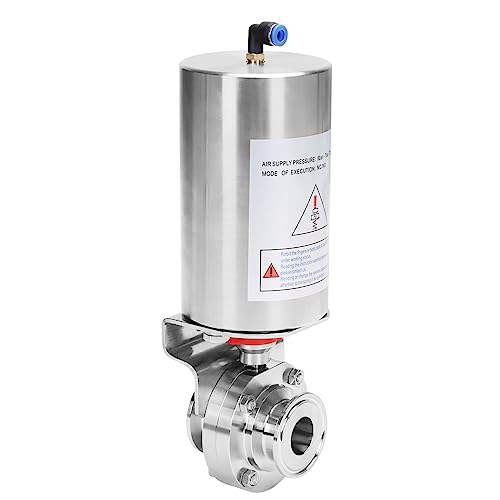
With a 1.5 inch connection, this DERNORD valve pairs SUS 304 stainless steel with a clamp interface and a single-acting pneumatic actuator. It provides a 0–90° travel range and operates at 5–7 bar supply pressure. Its compact size makes it suitable for smaller sanitary lines that demand quick, reliable actuation and return to a default safe position after pressurization ends.
BOKYWOX 1.5″ Clamp Valve with Pneumatic Actuator
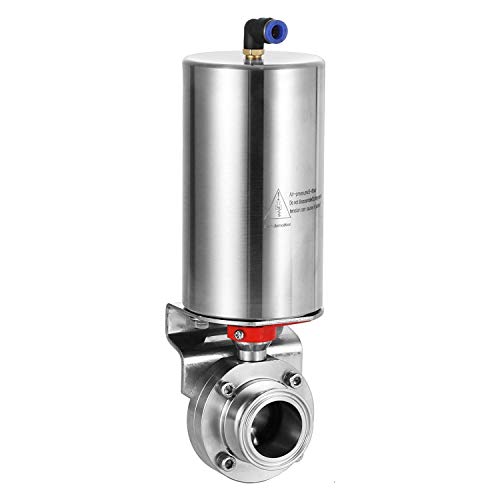
This 1.5″ BOKYWOX valve uses SUS 304 stainless steel and a clamp connection, designed for sanitary systems. It features a single-acting pneumatic actuator with automatic return, delivering 0–90° motion. Rated for up to 232 psi work pressure, it suits industrial lines that require dependable, compact actuation in tight spaces while preserving cleanability and corrosion resistance.
UNOX 4″ 24V DC Electric Actuator Butterfly Valve

This UNOX wafer-type butterfly valve uses a GGG40.3 ductile iron body and a durable EPDM seal for leak-free operation across a wide temperature range. The 24V DC electric actuator provides precise, low-voltage control, ideal for compact automation systems in water and air lines where energy efficiency and reliable sealing are priorities. The valve disc can be metal or coated for corrosion resistance, depending on media compatibility.
UNOX 3″ DN80 Butterfly Valve with Electric Actuator
This 3 inch version from UNOX continues the 24V DC actuator approach, pairing a robust GGG40.3 body with EPDM sealing. It’s designed for stable, low‑voltage operation and reliable shutoff in industrial settings, ensuring consistent sealing and reasonable energy use in automated processes. The wafer style keeps footprint compact while maintaining strong leak resistance across its operating range.
Buying Guide: Key Considerations For Actuator-Valve Choices
Selection criteria vary by application. Here are important factors to weigh when choosing an actuator and a sanitary butterfly valve pair:
- Actuation type and control method: Pneumatic actuators offer fast cycling and good force, often at a lower initial cost, while electric actuators provide precise, repeatable positioning and easier integration with digital control systems. Consider your control philosophy and maintenance capabilities.
- Valve size and connection: Tri‑clamp (sanitary) connections are common in food, beverage, and pharma lines. Match the valve size (1.5″, 2″, 3″, etc.) and ensure the clamp compatibility to prevent leaks and fit with existing piping.
- Material compatibility: SUS 304 stainless steel and EPDM seals are standard in sanitary applications, offering corrosion resistance and cleanliness. For aggressive media, verify media compatibility with gasket material and coatings.
- Operating pressure and temperature: Check the actuator’s required air supply pressure (bar/psi) or voltage, as well as the operating temperature range. Higher pressures may improve actuation speed but require robust piping and safety considerations.
- Durability and seal integrity: Wafer and lug designs with ductile iron bodies (like UNOX) or stainless steel valves provide different durability and sealing profiles. EPDM seals are common for water and sanitary media but confirm chemical compatibility.
- Maintenance and replacement: Consider availability of spare parts, ease of disassembly for cleaning, and sensor integration for feedback on valve position.
- system integration: Ensure compatibility with existing control systems, including PLCs and HMI interfaces, especially when choosing electric actuators for digital control.
In summary, for sanitary, clamp-connected butterfly valves, pneumatic actuators offer robust, fast actions in stainless steel configurations, while electric actuators excel in precision control within compact automation setups. Selecting the right combination depends on media, temperature, pressure, and how you intend to control and monitor valve positions in your facility.